Ichthyosaur
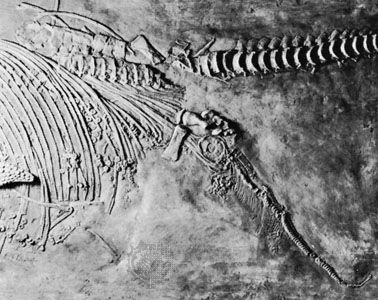
Ichthyosaurs were highly specialized marine reptiles that evolved a distinct, fishlike body plan, setting them apart from other Mesozoic marine groups like…
How do ichthyosaurs compare to other marine reptiles like plesiosaurs or mosasaurs?
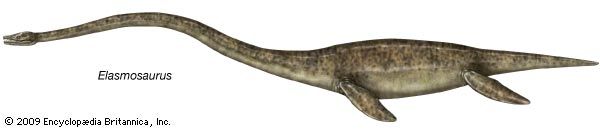
Ichthyosaurs were highly specialized marine reptiles that evolved a distinct, fishlike body plan, setting them apart from other Mesozoic marine groups like plesiosaurs and mosasaurs.12
Key Differences in Morphology and Locomotion
- Body Shape: Ichthyosaurs were streamlined and porpoise-like, often lacking a distinct neck, which allowed for high-speed swimming. In contrast, plesiosaurs were characterized by broad, stout trunks and often featured elongated, flexible necks. Mosasaurs possessed long, snakelike bodies with large skulls and long snouts.134
- Locomotion: Ichthyosaurs propelled themselves primarily through a well-developed, fishlike tail and body undulation. Plesiosaurs used their four long, paddlelike flippers to “fly” through the water, similar to modern penguins or sea lions. Mosasaurs used their modified, paddlelike limbs and long tails to navigate.134
- Reproduction: Because their specialized body forms prevented them from coming ashore to lay eggs, ichthyosaurs were live-bearers that reproduced entirely in the water.12
Evolutionary Timeline
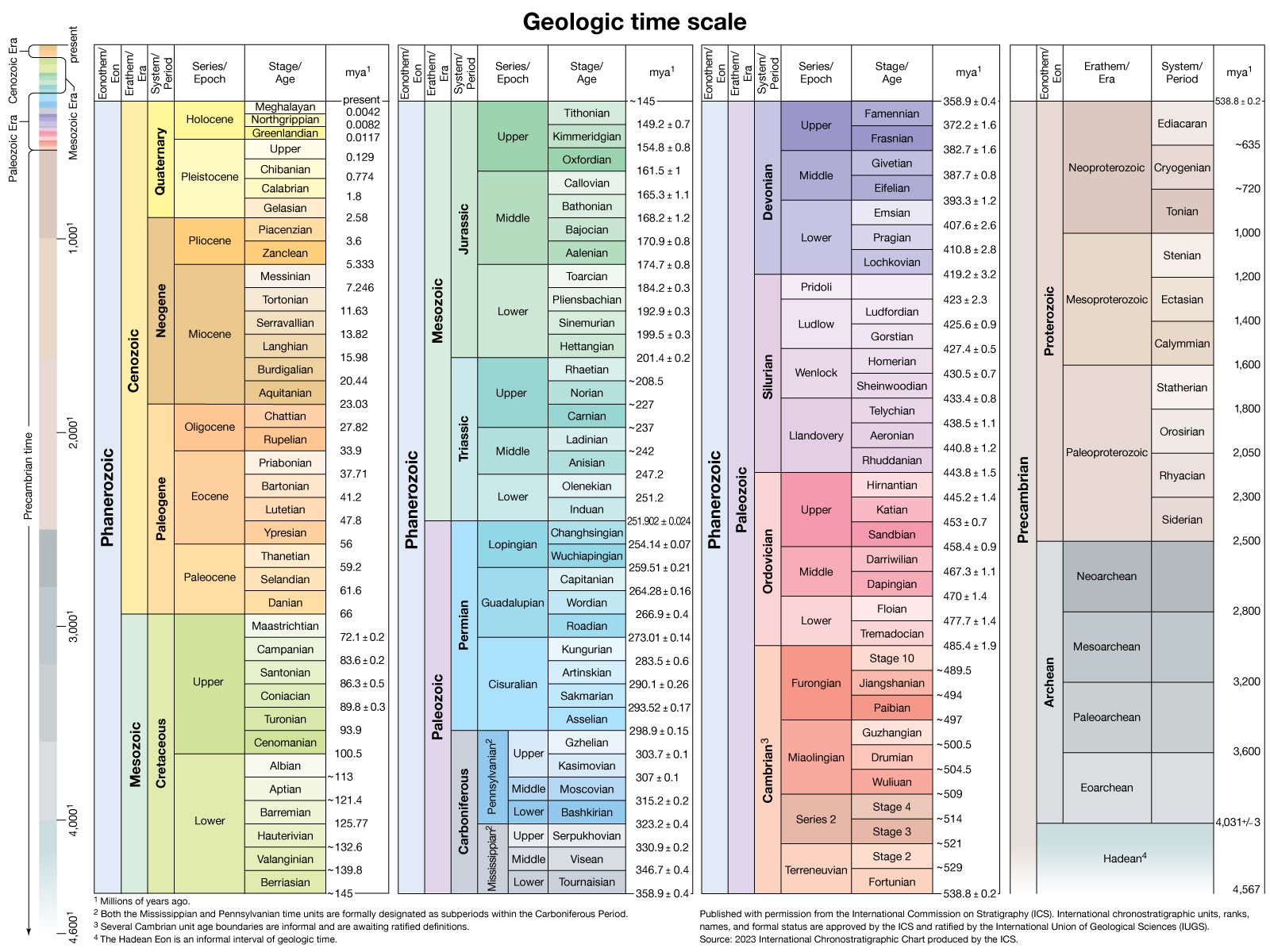
Ichthyosaurs and sauropterygians (the group including plesiosaurs) appeared in the Early Triassic. While ichthyosaurs were most diverse during the Triassic and Jurassic periods, mosasaurs were a distinct group of aquatic lizards that rose to prominence later, during the Cretaceous Period.241
How did ichthyosaurs evolve to adapt to their marine environment?
Ichthyosaurs evolved a suite of specialized adaptations that allowed them to transition from land-dwelling ancestors to highly efficient, fully aquatic marine reptiles. Their evolutionary journey involved significant morphological and physiological changes:
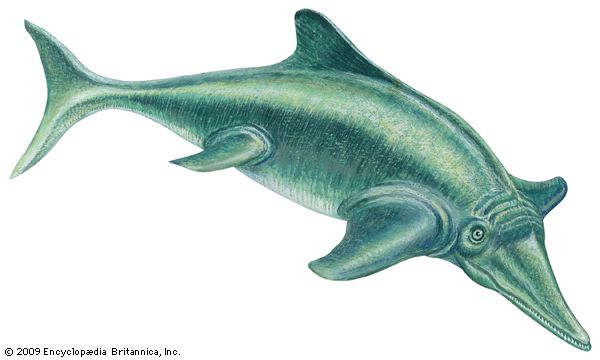
- Streamlined Body Plan: Early ichthyosaurs from the Triassic Period were long-bodied, undulating swimmers. Over time, they evolved a streamlined, fishlike shape—resembling modern porpoises—that minimized drag and facilitated high-speed movement. By the Early Jurassic, this tuna-like form was fully realized, featuring a smooth transition from head to body and the loss of a distinct neck.2
- Locomotion and Steering: To navigate the water, their limbs were modified into paddlelike appendages used for steering. Propulsion was achieved through a well-developed, fishlike tail, with the vertebral column bending downward into the lower lobe of the caudal fin.2
- Sensory and Respiratory Adaptations: Ichthyosaurs developed very large eyes, which likely provided the ability to discern shapes at long distances in the water. Additionally, their nostrils were positioned far back on the top of the skull, a specialized adaptation for breathing while remaining submerged.2
- Reproductive Independence: Because their specialized bodies made them helpless on land, ichthyosaurs became fully aquatic, reproducing entirely in the water. Fossil evidence confirms they were live-bearers, with specimens found containing the remains of immature ichthyosaurs within the birth canal.2
What are the key characteristics that define ichthyosaurs?
Ichthyosaurs were a highly specialized group of extinct aquatic reptiles that thrived throughout the Mesozoic Era. While they were not dinosaurs, they shared several key characteristics that defined their adaptation to marine life:
- Body Morphology: Most ichthyosaurs exhibited a streamlined, fishlike body plan similar to modern porpoises. They lacked a distinct neck, allowing the head to blend smoothly into the body, which facilitated high-speed movement through the water.2
- Locomotion: They propelled themselves using a well-developed, fishlike tail. Their vertebral column bent downward into the lower lobe of the caudal fin, a feature that distinguishes them from many other marine vertebrates. Their limbs were modified into paddlelike appendages used primarily for steering.2
- Sensory Adaptations: Ichthyosaurs possessed very large eyes, which likely enabled them to discern large shapes at significant distances. Additionally, their nostrils were positioned far back on the top of the skull, an adaptation for breathing while remaining submerged.2
- Reproduction: They were fully aquatic and reproduced in the water, as they were helpless on land. Fossil evidence confirms they were live-bearers, with some specimens preserving immature ichthyosaurs within the birth canal.2
What modern animals are most similar to ichthyosaurs in terms of appearance and behavior?
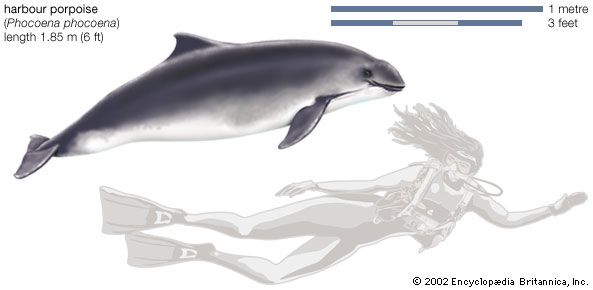
In terms of appearance and behavior, ichthyosaurs are most frequently compared to modern porpoises. This resemblance is a classic example of convergent evolution, where unrelated organisms independently evolve similar traits to adapt to similar environmental pressures.
Key similarities between ichthyosaurs and porpoises include:
- Body Shape: Both possess a streamlined, fishlike body plan that minimizes drag, allowing for efficient movement through the water. Ichthyosaurs, particularly those from the Early Jurassic, lacked a distinct neck, with the head blending smoothly into the body, much like the compact build of a porpoise.
- Locomotion: Both animals utilize a tail-driven propulsion system. Ichthyosaurs relied on a well-developed, fishlike tail to move through the water, while their limbs were modified into paddlelike appendages used primarily for steering.
- Ecological Niche: Ichthyosaurs were highly specialized marine predators that likely fed on fish and other marine animals, mirroring the predatory habits of many modern toothed whales.
- Physiological Constraints: Because they were fully aquatic, ichthyosaurs were helpless on land, much like a beached whale or porpoise. They were also live-bearers, giving birth to their young in the water rather than laying eggs on land.
Sources
- mosasaur — Encyclopædia Britannica
- ichthyosaur — Encyclopædia Britannica
- reptile - Fossil distribution — Encyclopædia Britannica
- Permian Period - Emergence of important reptiles — Encyclopædia Britannica
- sauropterygian — Encyclopædia Britannica
- dinosaur - Ornithopoda — Encyclopædia Britannica
- How do fish reproduce? — Encyclopædia Britannica
- Ichthyostega — Encyclopædia Britannica
- scorpaeniform - Reproduction — Encyclopædia Britannica
- chondrichthyan - Senses — Encyclopædia Britannica
- fish - Reproduction — Encyclopædia Britannica
- porpoise — Encyclopædia Britannica
- reptile - Historical development — Encyclopædia Britannica
- chondrichthyan - Evolution — Encyclopædia Britannica
- Animal - Rise of vertebrates — Encyclopædia Britannica
Published on · 4 min read