Inflorescence
A bract is a modified, often small, leaflike structure positioned beneath a flower or an inflorescence. These structures serve several vital roles in plant…
What role do bracts play in some inflorescences?
A bract is a modified, often small, leaflike structure positioned beneath a flower or an inflorescence. These structures serve several vital roles in plant development and reproduction:1
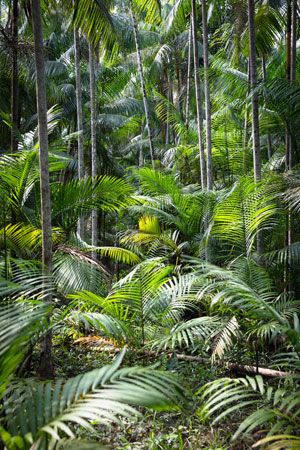
- Protection: Bracts can provide physical protection for developing flowers, such as the woody, boat-shaped bracts found in many palms.2
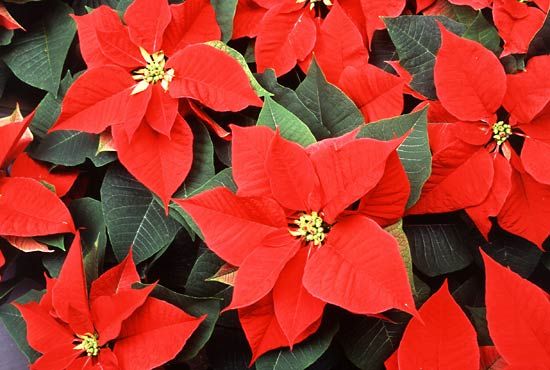
- Pollinator Attraction: In some species, bracts are brightly colored and function to attract pollinators. For example, the showy parts of poinsettia and Bougainvillea are actually modified bracts rather than petals.21
- Structural Support: Bracts are associated with the floral axis and can help define the arrangement of flower clusters. In some palms, they may even evolve into specialized structures like climbing organs.3
While bracts are often confused with petals due to their appearance, they are distinct botanical features that play a key role in the survival and reproductive success of many angiosperms.21
Can you explain the difference between determinate and indeterminate inflorescences?
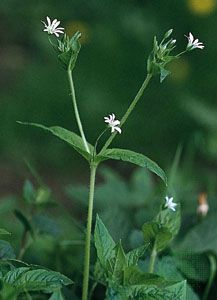
Inflorescences are categorized based on their branching patterns and the timing of their flowering. The primary distinction between determinate and indeterminate types lies in how the main axis grows and where the youngest flowers are located.56
Determinate (Cymose) Inflorescences
In these inflorescences, the apical meristem terminates by producing a flower, which arrests the further growth of the main axis. Because the terminal flower develops first, the youngest flowers are found at the bottom of an elongated axis or on the periphery of a truncated axis. A common example is the cyme.56
Indeterminate Inflorescences
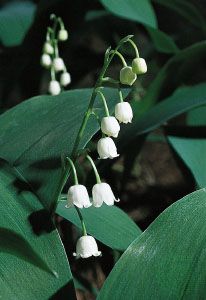
In contrast, the main axis of an indeterminate inflorescence continues to grow and produce flowers, as the terminal point does not become a flower. Consequently, the youngest flowers are located at the top of an elongated axis or in the center of a truncated axis. This category includes various forms such as racemes, spikes, corymbs, and heads.56
How do botanists classify and name different types of inflorescences?
Botanists classify inflorescences primarily based on two criteria: the arrangement of flowers on the main axis (peduncle) and the timing of their flowering, which distinguishes between determinate and indeterminate growth patterns.56
Growth Patterns
- Indeterminate (Racemose): The main axis continues to grow and produce flowers because the terminal point does not become a flower. Consequently, the youngest flowers are found at the top of an elongated axis or in the center of a truncated one.56
- Determinate (Cymose): The apical meristem terminates by producing a flower, which arrests further growth of the main axis. The youngest flowers are located at the bottom or periphery of the inflorescence.56
Common Types
Botanists further name these clusters based on their specific structural characteristics:
- Indeterminate types: Include the raceme, spike, catkin, corymb, umbel, spadix, and head.56
- Determinate types: Characterized by the cyme, which may include variations like the dichasium or helicoid cyme.56
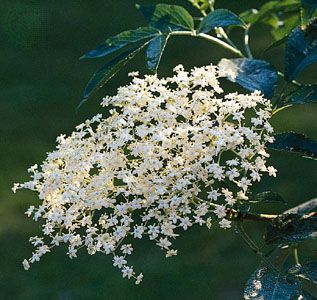
Compound inflorescences, such as the panicle or compound umbel, involve branching systems where these basic units are repeated.5
How does the arrangement of flowers in an inflorescence affect pollination?
The arrangement of flowers within an inflorescence is a critical evolutionary adaptation that directly influences the efficiency of pollination. By clustering flowers closely together, plants can maximize their visibility and accessibility to pollinators, effectively turning a group of small, individual flowers into a single, conspicuous signal.5
Enhancing Pollinator Efficiency
- Visual Attraction: The condensation of flowers—such as in the head of the Asteraceae family—creates a larger, more attractive display that mimics a single, showy flower. This grouping encourages pollinators to visit multiple flowers in one landing, increasing the likelihood of successful pollen transfer.5
- Structural Specialization: Certain arrangements, like the spadix of the Araceae, utilize specific spatial layouts to manipulate insect behavior. By separating male and female flowers within the structure, plants can force insects to move in ways that ensure cross-pollination rather than self-pollination.7
- Wind Pollination: In contrast, wind-pollinated plants often feature reduced, pendulous structures like catkins. These arrangements are designed to shed pollen easily into the air, prioritizing the physical movement of pollen over the attraction of biological visitors.5
Sources
- Angiosperm - The receptacle — Encyclopædia Britannica
- Bract — Encyclopædia Britannica
- bract — Merriam-Webster
- Palm - Inflorescences — Encyclopædia Britannica
- Angiosperm - Inflorescences — Encyclopædia Britannica
- Inflorescence — Encyclopædia Britannica
- Botanical Sex: 9 Alluring Adaptations — Encyclopædia Britannica
Published on · 3 min read