Kadavu Island
Kadavu Island is a volcanic island located in the South Pacific as part of the nation of Fiji. Situated 50 miles south of Viti Levu across the Kadavu…
What is Kadavu Island?
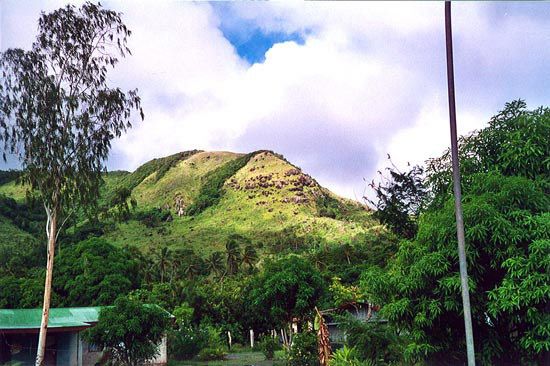
Kadavu Island is a volcanic island located in the South Pacific as part of the nation of Fiji. Situated 50 miles south of Viti Levu across the Kadavu Passage, the island covers 159 square miles and is characterized by a central mountain ridge that reaches 2,750 feet at Ndelainambukelevu, also known as Mount Washington.1
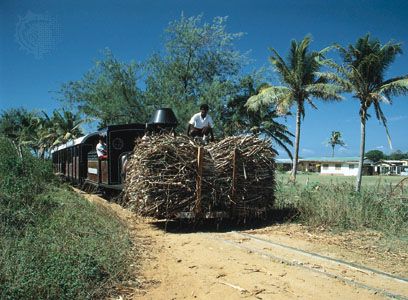
The island was visited by British naval captain William Bligh in 1792. Its economy relies on timber milling at Naikorokoro and the cultivation of crops such as bananas and copra. The capital and main town, Vunisea, is located on the western coast, and the island’s population is almost entirely Melanesian.1
What is the significance of the Great Astrolabe Reef near Kadavu?
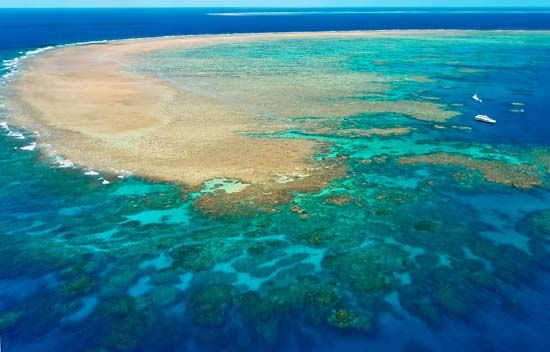
Sorry, the Britannica knowledge base does not contain information regarding the Great Astrolabe Reef near Kadavu. The provided search results only contain information about the Great Barrier Reef located off the coast of Australia.
How does the geography of volcanic islands like Kadavu affect their ecosystems?
The geography of volcanic islands like Kadavu profoundly shapes their ecosystems through soil development, isolation, and the availability of ecological niches.
Soil and Vegetation
Volcanic activity creates nutrient-rich volcanic soils as ash weathers over time, which can support dense vegetation and productive agriculture, such as the crops grown on Kadavu’s fertile slopes. In contrast, newly formed volcanic landscapes are initially barren, requiring primary succession to establish life. Pioneer species like grasses and lichens first colonize the cooling rock, eventually creating soil pockets that allow more complex plant communities to emerge.145
Isolation and Biodiversity
Volcanic islands often serve as isolated laboratories for evolution. Because they are geographically remote, colonizing species often encounter unoccupied ecological niches, leading to adaptive radiation—a process where a single ancestral lineage rapidly diverges into multiple specialized species. The theory of island biogeography further explains that the number of species on such islands is influenced by their size and their distance from the mainland, with communities eventually stabilizing into a dynamic equilibrium.67
Who was William Bligh and why is he famous in Pacific history?
William Bligh (1754–1817) was an English Royal Navy officer, navigator, and explorer best known for his command of the HMS Bounty during a famous mutiny in 1789.
Bligh’s fame in Pacific history stems from several key factors:
- The Bounty Mutiny: After his crew, led by Fletcher Christian, seized the ship, Bligh and 18 loyalists were set adrift in a small launch. Bligh’s subsequent 3,600-mile voyage to Timor is considered a feat of brilliant navigation and survival.
- Exploration: Having served under James Cook, Bligh was a highly skilled navigator credited with the discovery of approximately 13 Pacific islands. He possessed an unparalleled understanding of Tahitian language and customs for an 18th-century European.
- Command Style: Despite using corporal punishment less than his peers, Bligh was notorious for being verbally abusive and failing to manage the “theatre of command,” which contributed to further conflicts, including the Rum Rebellion during his tenure as governor of New South Wales.
Sources
- Kadavu Island — Encyclopædia Britannica
- list of islands - Fiji — Encyclopædia Britannica
- Great Barrier Reef — Encyclopædia Britannica
- evolution - Adaptive radiation — Encyclopædia Britannica
- primary succession — Encyclopædia Britannica
- Solomon Islands - Land — Encyclopædia Britannica
- volcano - Determinants of size and shape — Encyclopædia Britannica
- Vanuatu - Land — Encyclopædia Britannica
- community ecology - Biogeographic aspects of diversity — Encyclopædia Britannica
- Dominica - Relief, drainage, and soils — Encyclopædia Britannica
- volcano - Long-term environmental effects — Encyclopædia Britannica
- William Bligh — Encyclopædia Britannica
Published on · 2 min read