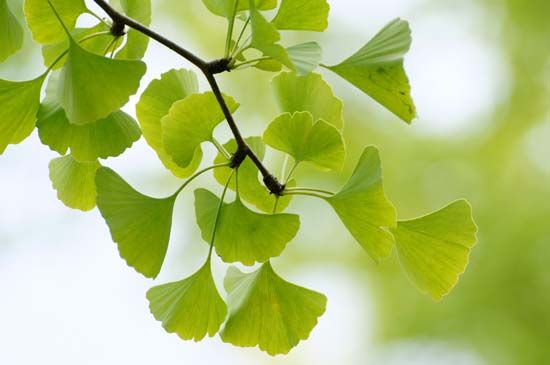
Katsura Tree
The katsura tree (Cercidiphyllum japonicum) is an upright, deciduous tree native to China and Japan. It is the sole remaining member of the family…
What is katsura tree?
The katsura tree (Cercidiphyllum japonicum) is an upright, deciduous tree native to China and Japan. It is the sole remaining member of the family Cercidiphyllaceae.12
Often grown as an ornamental, the tree is prized for its graceful branching and attractive foliage. Its heart-shaped leaves emerge reddish-purple, mature to a dark blue-green, and transition to vibrant shades of yellow or scarlet in the autumn. In cultivation, it typically reaches heights of up to 15 meters (50 feet). While the species often branches near the base, the variety C. japonicum sinense is known for having a single trunk.12
Beyond its aesthetic appeal, the katsura tree is valued for its relative resistance to insects and disease, making it a popular landscape specimen. Additionally, its wood is utilized in Japan for general construction and lumber.1
Why do katsura leaves change color in the autumn?
The leaves of the katsura tree change color in the autumn due to a natural, controlled process common to deciduous plants as they prepare for winter dormancy.
During the growing season, leaves appear green because they are filled with chlorophyll, the pigment essential for photosynthesis. As days shorten and temperatures drop, the tree stops producing chlorophyll and the existing pigment begins to break down.34
This degradation reveals other pigments that were previously masked by the green:
- Carotenoids: These pigments produce yellow and orange hues.34
- Anthocyanins: The accumulation of these pigments can impart vibrant red or purple colors to the leaves.3
This color change is part of the abscission process, where the tree seals off the vessels connecting the leaf to the twig to protect itself from winter damage. By shedding these leaves, the tree prevents water loss, avoids physical breakage from wind or snow, and enters a state of dormancy to conserve energy for the spring.4
What makes the katsura tree a popular choice for landscaping?
The katsura tree is a highly favored choice for landscaping due to a combination of aesthetic appeal and practical hardiness. Its popularity stems from several key characteristics:
- Visual Form and Foliage: The tree is prized for its graceful, upright, and broadly oval shape. Its heart-shaped leaves provide seasonal interest, transitioning from a reddish-purple hue when they emerge to a mature dark blue-green, and finally to vibrant shades of yellow or scarlet in the autumn.12
- Structural Versatility: Depending on the variety, the tree can be selected for its natural tendency to branch at the base or, in the case of C. japonicum sinense, for a single-trunk structure that offers a more traditional tree silhouette.1
- Low Maintenance: A significant advantage for landscape designers and homeowners is the tree’s relative freedom from common insects and diseases, which reduces the need for intensive care or chemical interventions.1
Are there other trees that are the only members of their plant family?
Yes, there are several plant families that consist of only a single genus, and in some cases, only a single species. These are often referred to as monotypic families.
The ginkgo (Ginkgo biloba) is perhaps the most famous example; it is the only living representative of the entire division Ginkgophyta and the family Ginkgoaceae.56
Other examples of families that consist of a single genus include:
- Cercidiphyllaceae: This family comprises a single genus, Cercidiphyllum, which contains two deciduous tree species, including the katsura tree.7
- Grossulariaceae: This family consists of a single genus, Ribes, which includes various currants and gooseberries.7
- Paeoniaceae: This family consists solely of the genus Paeonia, which includes the peony.7
- Altingiaceae: Known as the sweet gum family, it consists of the single genus Liquidambar.7
- Amborellaceae: This family contains only one genus and species, Amborella trichopoda, which is considered the basalmost offshoot of the flowering plants.8
- Acoraceae: This family, which includes the genus Acorus, represents the basalmost branch of the monocots.8
Additionally, several other families in the order Saxifragales, such as Aphanopetalaceae, Cynomoriaceae, Daphniphyllaceae, Penthoraceae, and Tetracarpaeaceae, also consist of only a single genus.7
Sources
- katsura tree — Encyclopædia Britannica
- katsura tree — Merriam-Webster
- Why Do Leaves Change Color in the Fall? — Encyclopædia Britannica
- Why Do Leaves Fall in Autumn? — Encyclopædia Britannica
- ginkgophyte — Encyclopædia Britannica
- Tree - Phylogenetic classifications — Encyclopædia Britannica
- Saxifragales - Major families — Encyclopædia Britannica
- Angiosperm - Annotated classification — Encyclopædia Britannica
Published on · 3 min read