Gooseberry
Gooseberry shrubs are native to the temperate regions of the Northern Hemisphere and are remarkably hardy, with some varieties growing as far north as the…
Where are gooseberry shrubs typically found and how are they cultivated?
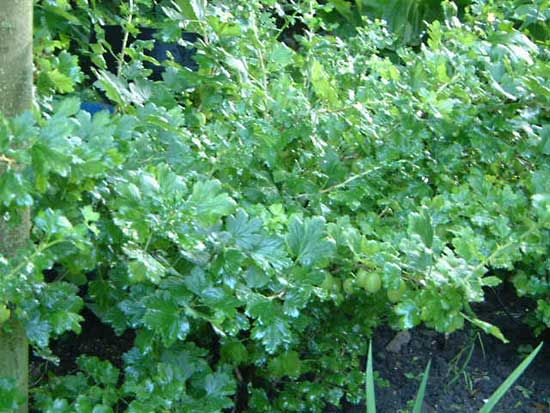
Gooseberry shrubs are native to the temperate regions of the Northern Hemisphere and are remarkably hardy, with some varieties growing as far north as the Arctic Circle1. While they are widely cultivated in northern Europe, native species like the American gooseberry (Ribes hirtellum) are found growing wild across the United States.1
Cultivation
Gooseberries thrive in cool, humid climates and prefer moist, heavy clay soil. To ensure a healthy harvest, growers should provide:1
- Care: While the shrubs are resilient, they respond well to potash or manure fertilizers, heavy pruning, and dormant sprays to manage mildew and scale.1
- Propagation: New plants are typically grown from cuttings.1
- Maintenance: Bushes generally remain productive for 10 to 20 years, with the best fruit produced on two- to three-year-old spurs.1
Note that some European varieties are susceptible to white-pine blister rust, leading to legal restrictions on their cultivation in certain regions where white pine is a vital resource.1
How long does it take for a gooseberry shrub to produce fruit?
Sorry, the Britannica knowledge base does not contain information regarding the specific number of years it takes for a gooseberry shrub to begin producing fruit.
What are the different varieties of gooseberries and how do they differ?
Gooseberries are primarily categorized into true gooseberries of the genus Ribes and the unrelated Cape gooseberry. While they share a common name, they belong to entirely different botanical families and possess distinct characteristics.12
True Gooseberries (Ribes)
These shrubs are members of the Grossulariaceae family and are native to temperate regions of the Northern Hemisphere.1
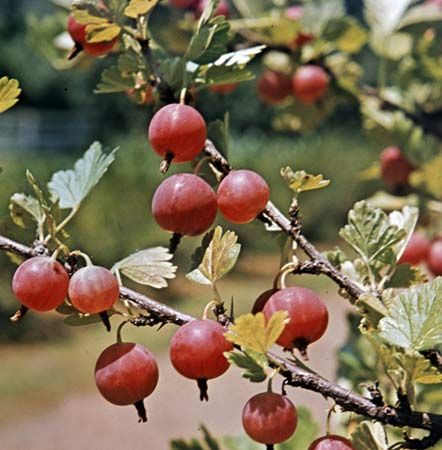
- English Gooseberries (Ribes uva-crispa): Also known as grossularia, these are the most common commercial varieties in Europe. They are stocky shrubs with greenish flowers and produce large, often prickly or hairy berries that range in color from white and yellow to red and green. They are highly susceptible to mildew and rusts, which limits their cultivation in parts of the United States.13
- American Gooseberry (Ribes hirtellum): This is the most significant native North American species. It is a smooth-fruited variety that is more resilient in the U.S. climate than its European counterparts.1
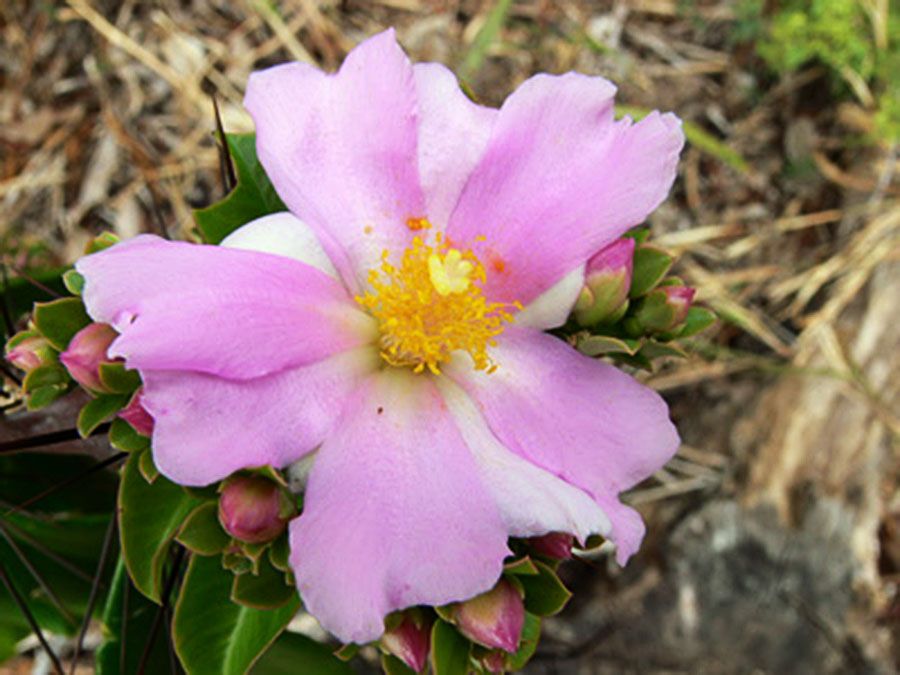
- Ornamental Varieties: The fuchsia-flowered gooseberry (R. speciosum) is cultivated primarily for its aesthetic appeal rather than its fruit.1
Cape Gooseberry (Physalis peruviana)
Despite the name, this plant is a member of the nightshade family (Solanaceae) and is unrelated to Ribes.2
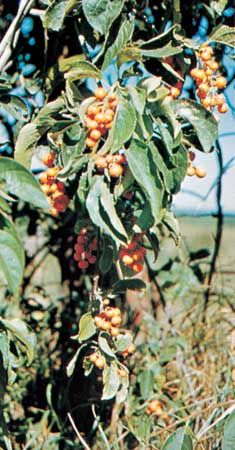
- Characteristics: Native to South America, it produces a juicy, orange berry enclosed in an inflated, baglike calyx.2
- Flavor Profile: It offers a bittersweet, tart flavor with notes of citrus, pineapple, and peach.2
What are the main characteristics of gooseberry shrubs?
Gooseberry shrubs are hardy, spiny plants belonging to the genus Ribes within the family Grossulariaceae. Native to temperate regions of the Northern Hemisphere, they are highly resilient and can thrive as far north as the Arctic Circle.14
Physical Characteristics
- Structure: The bushes are characterized by their spiny stems and produce greenish to greenish-pink flowers that appear singly or in small clusters.1
- Fruit: They produce oval berries that are typically white, red, yellow, or green, often featuring a hairy or prickly surface.1
Cultivation and Care
Gooseberries prefer cool, humid climates and thrive in moist, heavy clay soil. While the plants are hardy and can withstand neglect, they benefit significantly from:1
- Maintenance: Regular pruning, the use of potash or manure fertilizers, and dormant sprays to manage mildew and scale.1
- Propagation: New shrubs are typically grown from cuttings.1
- Longevity: A healthy bush can bear fruit for 10 to 20 years, with the best production occurring on two- to three-year-old spurs.1
Sources
- Gooseberry — Encyclopædia Britannica
- English gooseberry — Merriam-Webster
- Cape gooseberry — Encyclopædia Britannica
- gooseberry — Merriam-Webster
Published on · 3 min read