Kinabatangan River
The Kinabatangan River is the longest river in northeastern East Malaysia, located in the state of Sabah. Spanning 350 miles (563 kilometers), it originates…
What is Kinabatangan River?
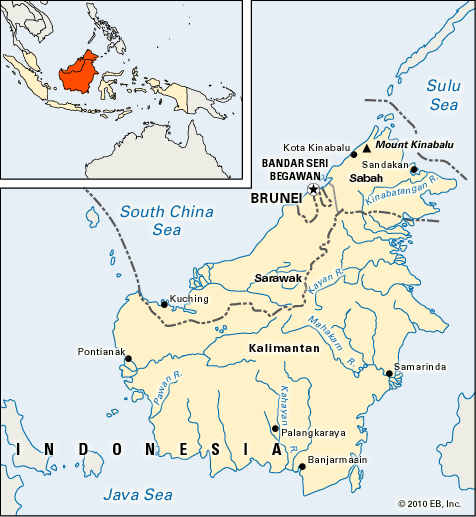
The Kinabatangan River is the longest river in northeastern East Malaysia, located in the state of Sabah. Spanning 350 miles (563 kilometers), it originates in the eastern Witti Range and flows northeasterly across a heavily forested plain before reaching a wide delta at the Sulu Sea between Sandakan and Kampong Tambisan.1
The river is navigable for about 200 miles (320 km) upstream. Along with its tributaries, the Kuamut and Lokan, it serves as the primary transportation route connecting coastal communities to the forested interior of the region.1
What unique wildlife lives in the Kinabatangan rainforest?
The Kinabatangan rainforest, located in the region surrounding the Kinabatangan River, is part of the broader Borneo ecosystem, which is renowned for its extremely varied and unique wildlife.21
Notable fauna found within these dense rainforests include:
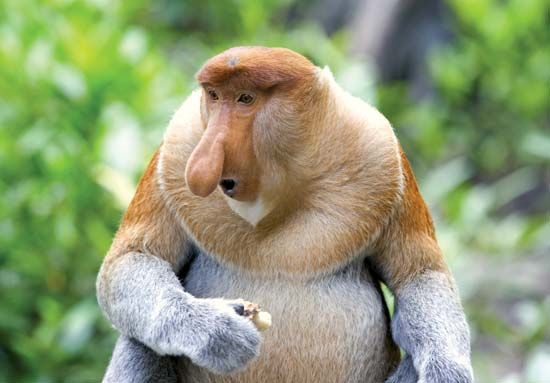
- Primates: The region is home to the endemic proboscis monkey, as well as orangutans and gibbons.2
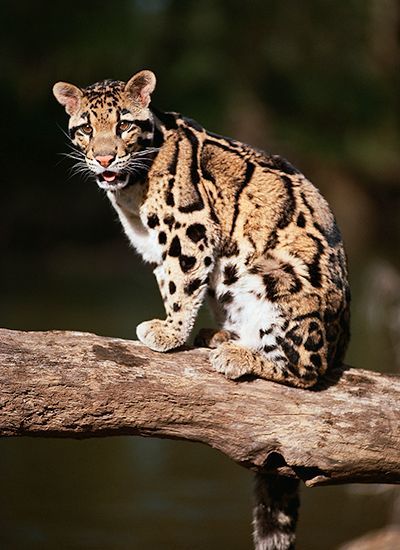
- Predators: The Bornean clouded leopard is a significant mammal endemic to the island.2
- Other Mammals: The forests support populations of elephants.2
- Diverse Species: The area hosts a vast array of birds, insects, and fish species.2
While the Sumatran rhinoceros was once part of the island’s fauna, it is now considered extinct in Borneo. The region’s biodiversity is supported by its equatorial climate and dense vegetation, which includes extensive stands of hardwoods from the Dipterocarpaceae family and the famous monster flower.2
How does the river support the local ecosystem?
The Kinabatangan River serves as a vital artery for the region’s ecosystem by traversing a broad, heavily forested plain that supports diverse habitats. By acting as the primary avenue of communication between coastal areas and the forested interior, the river facilitates the movement of nutrients and species across this expansive landscape. The river’s extensive course and its network of tributaries, such as the Kuamut and Lokan, ensure that water is distributed throughout the interior, sustaining the dense vegetation necessary for the survival of the region’s unique wildlife.1
What are the main threats to the Kinabatangan River’s environment?
The Kinabatangan River environment faces significant threats primarily driven by human activities that disrupt its delicate ecological balance. These pressures are consistent with broader trends of biodiversity loss observed across tropical regions.34
Primary Environmental Threats
- Habitat Loss and Fragmentation: The conversion of tropical forests into agricultural land—most notably for oil palm cultivation—is a major driver of environmental degradation. This process fragments the landscape, isolating wildlife populations and hindering their ability to move, feed, and reproduce.34
- Deforestation and Fire: Selective logging and forest clearing make the remaining ecosystem more open and drier, significantly increasing its vulnerability to [wildfires]. These fires are often linked to land-clearing practices for plantations and can lead to severe air pollution across the region.4
- Overexploitation: Wildlife in the area, including iconic species like the Bornean orangutan, has faced intense pressure from hunting and poaching, which, when combined with habitat loss, drastically reduces population numbers.3
- Pollution and Climate Change: The introduction of pollutants and the broader impacts of climate change threaten the river’s water quality and the stability of the surrounding habitats, as many species struggle to adapt to shifting temperature and precipitation patterns.3
Protecting these ecosystems is an ethical imperative, as the continued destruction of such vital habitats risks the permanent loss of unique species and essential ecosystem services.34
Sources
- Kinabatangan River — Encyclopædia Britannica
- Borneo - Land — Encyclopædia Britannica
- biodiversity loss - Human-driven biodiversity loss — Encyclopædia Britannica
- Deforestation - Effects — Encyclopædia Britannica
Published on · 3 min read