Las Marismas
The premise that Doñana National Park and Las Marismas are separate entities is slightly misleading; rather, Las Marismas is a central geographical component…
How does the presence of Doñana National Park relate to Las Marismas?
The premise that Doñana National Park and Las Marismas are separate entities is slightly misleading; rather, Las Marismas is a central geographical component of the protected area.
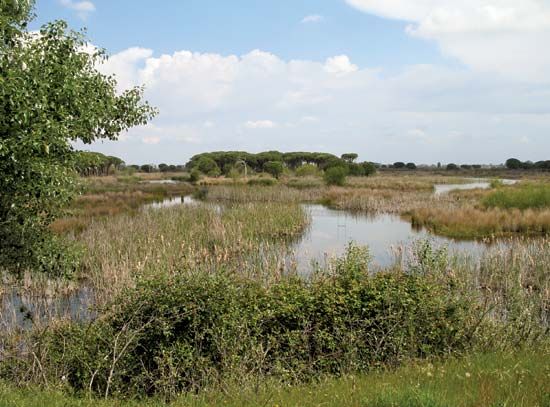
Las Marismas refers to the extensive coastal marshes located along the Guadalquivir estuary in Andalusia, Spain. Historically known as the Lacus Ligustinus in Roman times, this region evolved from an inland lake into a vital wetland ecosystem.1
The relationship between the two is defined by conservation efforts:
- Integration: In 1969, the marshes were incorporated into the Coto Doñana National Park to ensure their protection.1
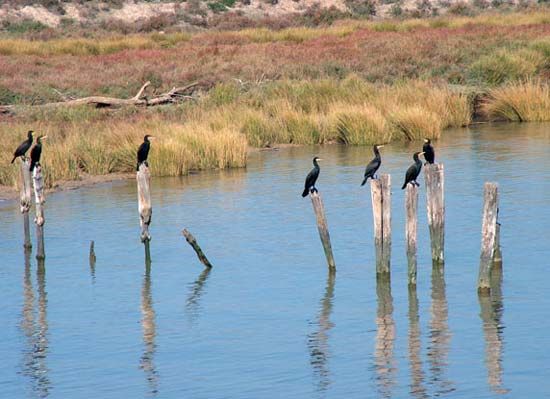
- Ecological Significance: As part of the park, Las Marismas serves as a critical sanctuary for diverse birdlife, including migratory ducks and geese, and provides a habitat for endangered species like the southern European lynx.1
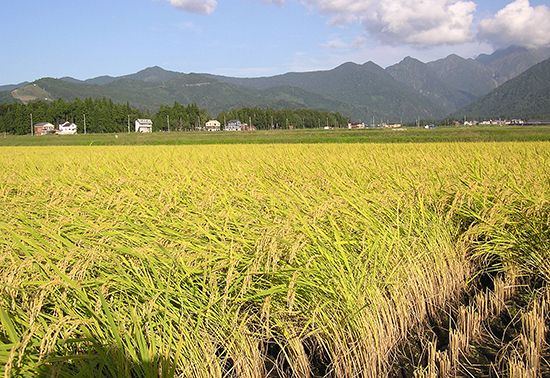
- Land Use: While the park preserves the core wetland, some areas of the marshes that have dried up are utilized for rice cultivation.1
What is the geographical location and extent of Las Marismas in Spain?
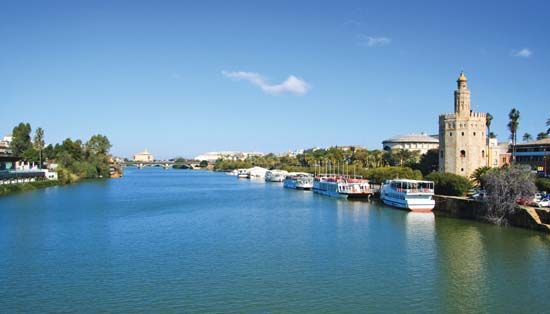
Las Marismas is a vast expanse of coastal marshes situated along the Guadalquivir estuary in the autonomous community of Andalusia, located in southern Spain.1
The region covers an area of more than 1,100 square miles (3,000 square km), spanning across parts of the provinces of Sevilla, Huelva, and Cádiz. Historically, this area was known as the Lacus Ligustinus, a large inland lake during the Roman era. Today, these marshes form a significant portion of the Coto Doñana National Park, which was established to protect the unique nature reserve and its diverse wildlife, including migratory birds and the endangered southern European lynx.12
What types of flora and fauna are found in Las Marismas?
The ecosystem of Las Marismas is characterized by a diverse range of flora and fauna, supported by its unique wetland environment.
Fauna
Las Marismas is internationally recognized as a critical sanctuary for wildlife, particularly birds:
- Birds: The region serves as a vital wintering ground for various species of ducks and geese. It provides a habitat for hundreds of other bird species, with approximately 20 species remaining as year-round residents.1
- Mammals: The area is notably the primary remaining habitat for the endangered southern European lynx. Other mammals found in the region include fallow deer, red deer, mongoose, wild boar, and wild cat.1
Flora
The vegetation of the marshes is adapted to the waterlogged, saline conditions typical of such wetland ecosystems:
- Marsh Vegetation: The landscape is dominated by grasses, sedges, and rushes, which are essential for binding the mud and maintaining the marsh structure.34
- Cultivated Plants: In areas where the marshes have dried, the land is utilized for the commercial cultivation of rice, which is a significant plant species in this modified landscape.14
How does Las Marismas contribute to the local economy, particularly in terms of agriculture and tourism?
Las Marismas contributes to the local economy primarily through agriculture and its role as a major site for tourism and conservation.
Agriculture
In areas where the marshes have been reclaimed or have naturally dried, the land is highly productive. The region is a significant site for the cultivation of rice, which thrives in the fertile plains of the lower Guadalquivir valley. Additionally, the marshy plains are utilized for pasturing bulls, and the broader surrounding provinces support a diverse agricultural economy, including the production of wheat, cotton, sugar beets, olives, and oranges, as well as livestock raising.15
Tourism and Conservation
The establishment of the Coto Doñana National Park in 1969 transformed the region into a focal point for ecological tourism. By protecting the unique nature reserve and its rare wildlife, such as the southern European lynx and diverse migratory bird populations, the park attracts visitors interested in nature and wildlife observation. This contributes to the growing importance of the service and tourism industries within the broader Andalusian economy.15
Sources
- Las Marismas — Encyclopædia Britannica
- Coto Doñana National Park — Encyclopædia Britannica
- Salt marsh — Encyclopædia Britannica
- Marsh — Encyclopædia Britannica
- Huelva — Encyclopædia Britannica
- Sevilla — Encyclopædia Britannica
Published on · 3 min read