Lemon Verbena
Lemon verbena (Aloysia citriodora) is a tropical perennial shrub native to Argentina and Chile. Belonging to the Verbenaceae family, it can grow over 3…
What is Lemon verbena?
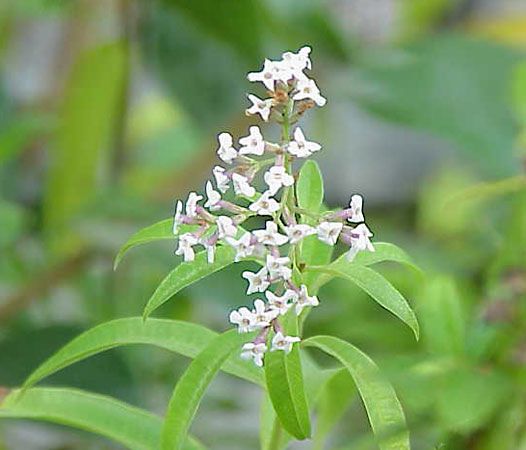
Lemon verbena (Aloysia citriodora) is a tropical perennial shrub native to Argentina and Chile. Belonging to the Verbenaceae family, it can grow over 3 meters (10 feet) tall in warm climates, though it is often kept as a smaller potted plant indoors.12
The plant is prized for its long, narrow, yellowish-green leaves, which contain an aromatic oil that provides a distinct lemonlike scent and flavor. Because of these properties, lemon verbena is widely used in culinary applications, such as flavoring sweet drinks, garnishing fruit cups and salads, and serving as an ingredient in jellies, puddings, and herbal tea. Beyond the kitchen, its fragrance makes it a popular component in colognes and sachets.1
What other herbs are commonly used to make herbal teas?
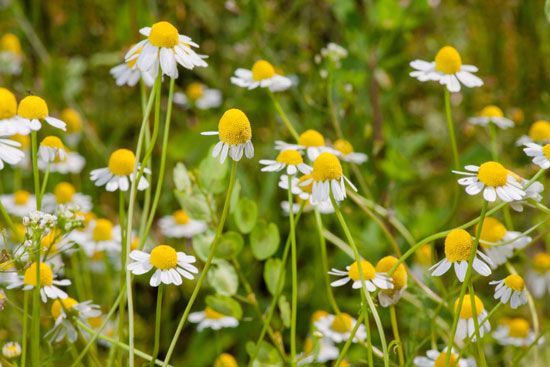
Beyond lemon verbena, several other plants are commonly used to create herbal infusions. One of the most popular is chamomile, which is derived from daisylike plants in the Asteraceae family. Specifically, tea is prepared using either English (Roman) chamomile (Chamaemelum nobile) or German chamomile (Matricaria chamomilla), both of which are valued for their use as tonics and in various herbal remedies.3
While the term “tea” is often used broadly, true tea comes from the Camellia sinensis plant, whereas herbal teas—often called tisanes—are infusions made from the leaves, flowers, or roots of other herbs. These infusions are typically prepared by steeping the plant material in hot water for several minutes to extract their flavor and aromatic properties.34
How do plants produce aromatic oils for their scent?
Plants produce aromatic oils, known as essential oils, which are stored as microdroplets within specialized plant glands. These oils are synthesized through plant metabolic processes, though the exact biological function of many of these materials remains a subject of scientific study. Some researchers suggest that these substances may simply be byproducts of plant biosynthesis, while others propose they serve specific ecological roles, such as protecting the plant against parasites, disease, or animal depredation, or acting as attractants for insects to aid in natural selection.5
Once produced, these droplets diffuse through the walls of the plant’s glands and spread across the surface of the plant. From there, they evaporate into the air, creating the characteristic scents we perceive. Chemically, these oils are primarily composed of terpenes—organic compounds built from isoprene units—along with various other aromatic compounds like alcohols, aldehydes, and ketones that contribute to their unique fragrances and flavors.5
What are some other plants that originate from South America?
South America is home to a vast array of indigenous plant species that have significantly influenced global agriculture and industry. Many staples and commodities known worldwide originated in the continent’s diverse ecosystems.
Food Crops and Spices
Several essential food crops were domesticated in South American environments:
- Staples: The potato originated in the high Andes, while cassava and sweet potato are also indigenous to the region.7
- Grains and Legumes: Quinoa and canahua are native small grains, and various beans of the genus Phaseolus were widely cultivated.7
- Fruits and Nuts: Pineapples, papaya, guava, and avocados are native to tropical America. Brazil nuts and cashews are also indigenous.7
- Beverages and Spices: Cacao is native to the Amazon region. Yerba maté is a traditional beverage from the upper Paraná basin, and allspice and chili peppers are key native spices chili peppers are key native spices.9
Industrial and Utility Plants
South America also provided plants vital for various industries:
- Rubber and Latex: The Amazon basin is the home of the Pará rubber tree, which historically fueled the rubber industry.8
- Palms: The babassu palm provides oil for soap, the carnauba palm yields vegetable waxes, and the tagua palm produces seeds used as vegetable ivory.8
- Fibers: Cotton has been used for textiles since prehistoric times, and the iraca provides fibers for weaving hats.8
Sources
- Lemon verbena — Encyclopædia Britannica
- lemon verbena — Merriam-Webster
- Chamomile — Encyclopædia Britannica
- tea - Brewing — Encyclopædia Britannica
- Essential oil — Encyclopædia Britannica
- Chemoreception - Deterrents and repellents — Encyclopædia Britannica
- South America - Food crops — Encyclopædia Britannica
- South America - Tropical and subtropical rainforests — Encyclopædia Britannica
- South America - Specialized cash crops — Encyclopædia Britannica
- South America - Vegetation zones — Encyclopædia Britannica
Published on · 3 min read