Magpie-robin
A magpie-robin is any of eight species of chat-thrushes belonging to the family Muscicapidae in the order Passeriformes, found throughout southern Asia.…
What is Magpie-robin?
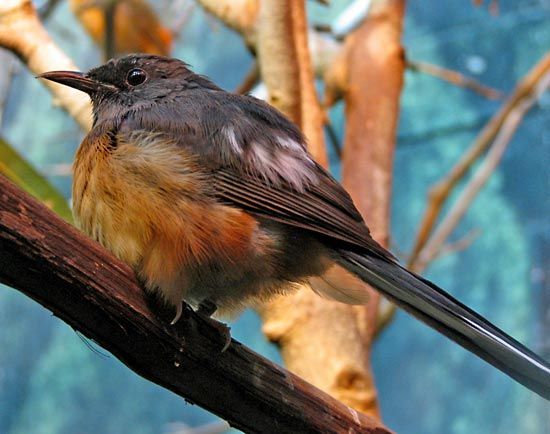
A magpie-robin is any of eight species of chat-thrushes belonging to the family Muscicapidae in the order Passeriformes, found throughout southern Asia. These birds are typically 18 to 28 cm (7 to 11 inches) long and are characterized by their pied plumage and attenuated, uptilted tails, which they frequently lower and fan.1
Often described as small replicas of magpies, these birds are known for hunting insects on the ground and are recognized as exceptionally fine singers. Some species, such as the dyal (Copsychus saularis), are popular as cage and aviary birds due to their rich song. Other members of the genus Copsychus are frequently referred to as shama, including the long-tailed white-rumped shama native to Southeast Asia. While they share the name “robin” with various other thrush-like birds, they are distinct from the American robin and European robin.12
How does the Magpie-robin differ from the American robin?
The Magpie-robin and the American robin are distinct birds belonging to different families, despite sharing the name “robin.”
Taxonomic and Physical Differences
- Family Classification: The American robin is a member of the family Turdidae (thrushes), whereas the magpie-robin belongs to the family Muscicapidae, which includes various flycatchers and chat-thrushes.3
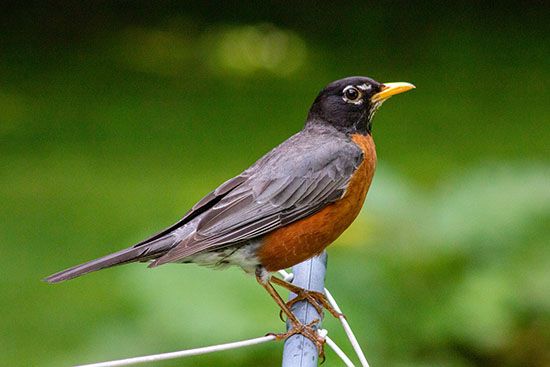
- Appearance: The American robin is a larger bird, measuring approximately 25 cm (10 inches) in length, and is characterized by its gray-brown upperparts and distinctive rusty-red breast. In contrast, magpie-robins are generally recognized by their pied (black and white) plumage and their habit of frequently lowering and fanning their uptilted tails.3
- Distribution: The American robin is a familiar songbird native to North America, often found in both forests and urban environments. Magpie-robins are native to southern Asia.3
While both are known for their vocal abilities, they are not closely related; the name “robin” was applied to the American species by colonial settlers simply because its breast color reminded them of the European robin.3
What are some other birds in the Muscicapidae family?
The family Muscicapidae is a large and taxonomically complex group of songbirds. While definitions vary, the family is primarily composed of Old World flycatchers and wattle-eyes, though many classification systems also include thrushes, warblers, and babblers.456
Some notable birds within this family include:
- Spotted flycatcher (Muscicapa striata): A 14-cm streaked grayish-brown bird common in Europe and Asia, known for its habit of flicking its wings.5
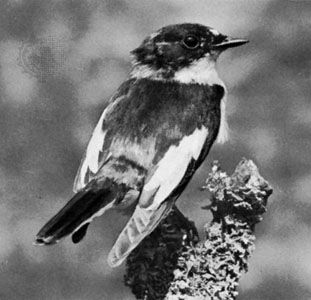
- Pied flycatcher (Muscicapa hypoleuca): A species where the male is distinctly black and white.5
- Tickell’s blue flycatcher (Muscicapa tickelliae): Found in forests from India to the Philippines, this bird is blue above and red below.5
- Narcissus flycatcher (Muscicapa narcissina): A brightly colored Japanese species; the male is black, yellow, and white, and it is noted for being a skilled singer.5
- Dusky flycatcher (Alseonax adustus): A small, 10-cm bird widespread across Africa.5
- Chats: Many species of these birds, named for their chattering notes, are classified within Muscicapidae.7
Why are some Magpie-robins considered popular cage birds?
Magpie-robins are popular as cage and aviary birds primarily due to their exceptional vocal abilities. Species such as the dyal (Copsychus saularis) are particularly prized for their rich, melodic songs, which appeal to human aesthetic tastes for beauty and interest in songbirds.2
Beyond their singing, these birds are valued for their striking appearance. They are small, pied (black and white) birds that resemble miniature magpies, featuring attenuated tails that they frequently lower and fan. This combination of visual appeal and musical talent has led to their long-standing presence in human culture as objects of interest.21
While the practice of keeping songbirds is ancient, it is important to note that many countries now have strict regulations regarding the capture and sale of wild birds to protect their populations.1
Sources
- Magpie-robin — Encyclopædia Britannica
- magpie robin — Merriam-Webster
- Robin — Encyclopædia Britannica
- Muscicapidae — Encyclopædia Britannica
- Flycatcher — Encyclopædia Britannica
- Chat — Encyclopædia Britannica
- Muscicapidae — Merriam-Webster
- Passeriform - Aesthetic and economic importance — Encyclopædia Britannica
Published on · 3 min read