Malt
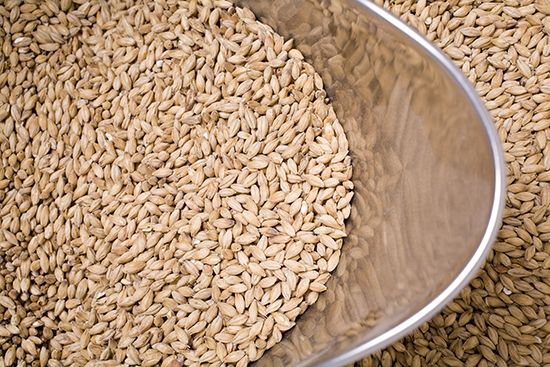
Malt is a grain product, typically derived from barley, that undergoes controlled germination to modify its natural substances and activate essential…
What are the primary uses of malt in food and beverage production?
Malt is a grain product, typically derived from barley, that undergoes controlled germination to modify its natural substances and activate essential enzymes. Its primary uses include:1
- Beverage Production: Malt is the foundation for beer brewing, where its enzymes convert starches into maltose for fermentation by yeast. It is also a key ingredient in producing distilled spirits like whiskey.12
- Food Applications: Malt extracts are used in baked goods, breakfast cereals, confections, baby foods, and vinegar to provide flavor, enzyme activity, and starch content.1
- Functional Properties: Maltose, a sugar produced during the malting process, contributes to the browning and complex flavors of foods through the Maillard reaction. It also improves texture, aids in moisture retention, and can act as a preservative in various food products.2
What are the main types of grains used for malting?
While any cereal grain can technically be converted into malt through the process of controlled germination, barley is the grain used most extensively for this purpose.13
Barley is preferred primarily because its malt possesses the highest enzyme activity, allowing it to effectively convert its own starches—as well as those of other unmalted grains—into fermentable sugars. A single portion of barley malt can typically convert approximately 10 times its weight in other grains.3
Other cereal grains are used for malting, though much less frequently than barley. These include:
- Rye: Occasionally used in the production of rye whiskey.13
- Wheat: Sometimes utilized in malting processes.14
- Rice and Corn: These are also used for malting, though they are significantly less common than barley.1
In modern brewing and distilling, unmalted cereals are also frequently added to the mash as cost-effective sources of starch, though they rely on the enzymes provided by the malted barley to facilitate fermentation.35
What is malt and how is it produced from grains?
Malt is a grain product, most commonly derived from barley, that has undergone controlled germination to modify its internal structure and activate essential enzymes. It serves as a vital ingredient in beer brewing, distilled spirits, and various food products.1
The production process consists of three primary stages:
- Steeping: The grain is soaked in water to increase its moisture content, which awakens the embryo within the kernel.1
- Germination: The dampened grain is allowed to sprout. During this phase, enzymes are activated that break down the grain’s hard outer wall and convert stored starch into simpler carbohydrates, such as maltose.1
- Kilning: Once the desired modification is achieved, the process is arrested by drying the “green malt” with heated air in a kiln. The intensity and duration of this heat determine the final color and flavor profile of the malt.1
How does the malting process affect the flavor and nutritional content of grains?
The malting process significantly transforms both the flavor and nutritional profile of cereal grains through enzymatic activity and heat-induced chemical reactions.
Flavor Development
The characteristic flavor of malt is primarily developed during two stages:
- Germination: Enzymes such as amylases, proteases, and β-glucanases break down complex starches and proteins into simpler sugars (like maltose) and amino acids, creating a softer texture and a base malty flavor.81
- Kilning and Roasting: During the final curing stage, the Maillard reaction occurs between amino acids and reducing sugars under heat. This non-enzymatic reaction is responsible for browning and the development of complex aromas and flavors, such as those found in toasted grains, chocolate, or caramel. The intensity of heat and duration of kilning allow for the creation of specialized malts, ranging from light to dark and roasted varieties.91068
Nutritional Changes
Malting modifies the grain’s nutritional composition to make it more accessible for fermentation:
- Enzymatic Activation: The process synthesizes and activates enzymes that convert insoluble starches and proteins into soluble, fermentable forms.111
- Antioxidant Activity: The formation of Maillard reaction products, such as melanoidins, can increase the antioxidant activity of the grain.10
- Nutritional Losses: While malting enhances culinary qualities, the process can also lead to nutritional losses. Furthermore, high-heat processing can generate acrylamide, a chemical contaminant that poses potential health risks.10
Sources
- Malt — Encyclopædia Britannica
- maltose — Encyclopædia Britannica
- Rye — Encyclopædia Britannica
- distilled spirit - Mashing — Encyclopædia Britannica
- Wheat — Encyclopædia Britannica
- Beer - Kilning — Encyclopædia Britannica
- malt — Merriam-Webster
- Beer - Malting — Encyclopædia Britannica
- Maillard reaction: Top Questions — Encyclopædia Britannica
- Maillard reaction — Encyclopædia Britannica
- Beer - Germination — Encyclopædia Britannica
Published on · 3 min read