Marabou
The term marabou refers to both a biological species and a decorative material:
What is Marabou?
The term marabou refers to both a biological species and a decorative material:
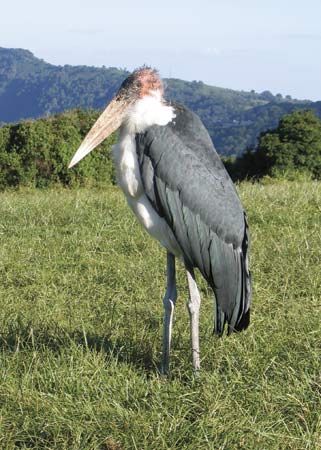
- The Bird: The marabou (Leptoptilos crumenifer, formerly Leptoptilos crumeniferus) is a large African stork known for being the largest member of its family, reaching heights of 150 cm (5 feet) with a wingspan of 2.6 meters. It is characterized by a naked pinkish head and neck, a heavy bill, and a distinctive, inflatable reddish throat pouch. As a scavenger, it often feeds on carrion alongside vultures.12
- The Material: The term also describes a soft, fluffy material made from turkey feathers or the coverts of the marabou stork, historically used for trimming women’s clothing and hats. Additionally, it refers to a type of silk composed of twisted threads dyed before the removal of sericin, or the fabric produced from this silk.1
What role do marabou storks play in their ecosystem?
The marabou stork (Leptoptilos crumenifer) plays a significant role in its ecosystem primarily as a scavenger. By feeding on carrion, these birds help clean the environment, often congregating at carcasses alongside vultures.23
While they are known for their scavenging habits, marabou storks are also partly predatory. Like other members of the stork family, they are opportunistic feeders that may consume a variety of small animals, though their ecological niche is most notably defined by their dominance at feeding sites where they compete with other scavengers for food.324
How are turkey feathers processed to create fashion trim?
The processing of feathers for fashion trim, known as featherwork, has a long history of transforming natural materials into decorative elements. While the term “marabou” is often associated with specific stork feathers, the fashion industry has historically utilized a wide variety of poultry and bird feathers to create trimmings, muffs, and hats.5
The general process for creating these trims involves several techniques:
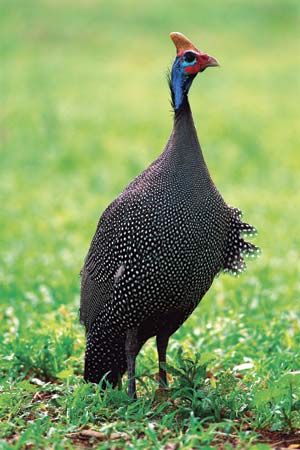
- Selection and Preparation: Historically, white poultry feathers were frequently selected for their versatility. These were often dyed into various colors to suit fashion trends, while feathers from birds like the pheasant, peacock, and guinea fowl were often prized for their natural colors and patterns.5
- Attachment Methods: Feathers were traditionally attached to a base fabric by overlapping them in a shingle-like fashion to create texture and volume. For items like boas or dress trimmings, they were secured to create a dense, fluffy appearance.5
- Modern Production: Today, commercial ostrich farms provide the primary source for plumes used in modern dress trimmings and boas. Due to historical over-hunting, many modern practices are now subject to strict conservation regulations to protect bird populations.5
What are some other types of birds that scavenge for food?
While vultures are the most well-known avian scavengers, several other bird species also incorporate carrion into their diets, either as a primary food source or as an opportunistic behavior:
- Bald Eagles: These birds are flexible feeders that hunt live prey but will readily scavenge dead fish whenever the opportunity arises. They are also known to engage in kleptoparasitism, where they steal kills from other birds like the osprey.6
- Palm-nut Vultures: Although classified within the order that includes many carrion-eaters, this African species is unusual because it is primarily vegetarian, feeding largely on oil palm fruits. However, it occasionally supplements its diet with dead fish and crustaceans.78
- Crows and Buzzards: Some species, such as the black vulture, are sometimes colloquially and inappropriately referred to as carrion crows or buzzards due to their scavenging habits, highlighting how scavenging behavior is often observed in various bird groups.7
Many birds of prey exhibit a degree of flexibility, scavenging when necessary to supplement their hunting efforts.6
Sources
- marabou — Merriam-Webster
- Marabou — Encyclopædia Britannica
- Ciconiiform - Feeding habits — Encyclopædia Britannica
- Stork — Encyclopædia Britannica
- featherwork — Encyclopædia Britannica
- scavenger — Encyclopædia Britannica
- Vulture — Encyclopædia Britannica
- kleptoparasitism: Top Questions — Encyclopædia Britannica
- Bird of prey — Encyclopædia Britannica
- Falconiform - Feeding — Encyclopædia Britannica
Published on · 3 min read