Measuring Worm
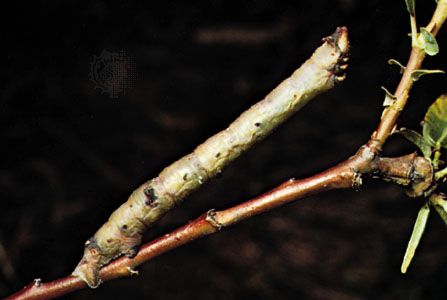
A measuring worm, also known as a looper, is the larva of a moth belonging to the family Geometridae within the order Lepidoptera.
What is measuring worm?
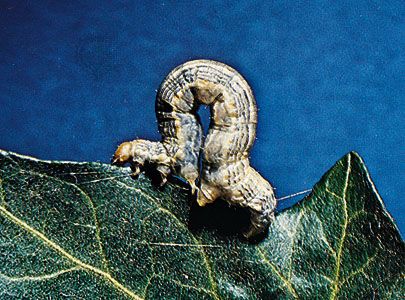
A measuring worm, also known as a looper, is the larva of a moth belonging to the family Geometridae within the order Lepidoptera.12
These larvae are named for their distinctive movement. Because they lack a middle pair of legs, they travel in an “inching” or “looping” gait, where they extend the front of their body and then bring the rear up to meet it. Physically, they often resemble twigs or leaf stems, which serves as a form of camouflage.1
While they are fascinating to observe, they can be destructive to vegetation. They feed on foliage and can seriously damage or destroy trees and crops. For example, the spring cankerworm and fall cankerworm are known to skeletonize the leaves of fruit and shade trees. Members of this family are often referred to as geometrid moths.1
What is the difference between a moth and a butterfly?
Moths and butterflies are both members of the Lepidoptera order, but they exhibit several distinct physical and behavioral differences.3
Physical Characteristics
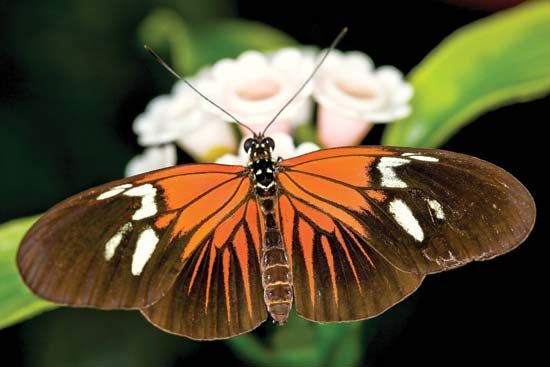
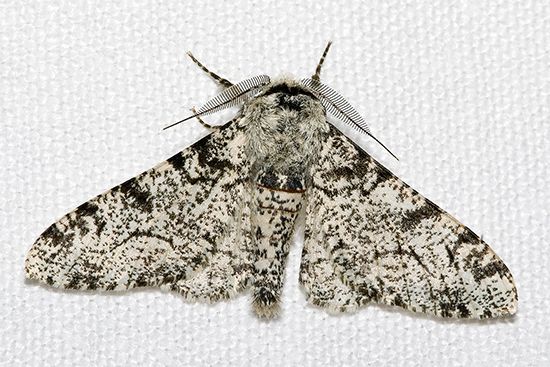
- Antennae: Most moths have thick or feathery antennae, whereas butterflies typically possess simple, club-tipped antennae.3
- Body Shape: Butterflies generally have slim, dainty bodies, while moths are typically stout and often fuzzy.3
- Coloration: Butterflies are often colorful with dramatic wing patterns, while moths are frequently more drab, though notable exceptions exist in both groups.3
Behavioral and Developmental Differences
- Activity Patterns: Butterflies are typically diurnal (active during the day), while most moths are nocturnal.3
- Resting Position: When at rest, butterflies usually hold their wings vertically over their backs. Moths typically fold their wings tentlike over the body, wrap them around the body, or hold them extended at the sides.3
- Metamorphosis: During the pupal stage, butterflies form a naked chrysalis. In contrast, most moths build a fibrous cocoon around themselves for protection.34
How do insects use camouflage to hide from predators?
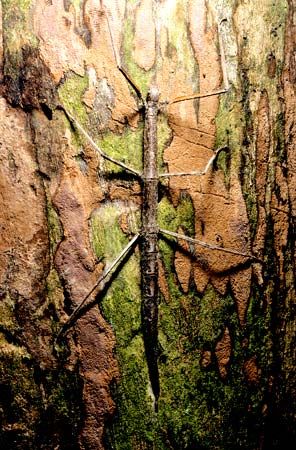
Insects utilize several sophisticated methods of camouflage to avoid detection by predators. This protective strategy, often referred to as cryptic coloration, allows an insect to blend seamlessly into its surroundings through color, pattern, and shape.56
- Background Matching: Many insects possess coloration that copies their environment with extraordinary detail. For instance, walking sticks resemble twigs or leaves, and some species can even shift their color by moving pigment granules in their epidermal cells to match their background.57
- Behavioral Concealment: Cryptic coloration is frequently paired with behavioral adaptations. Insects such as caterpillars often adopt a rigid, deathlike posture to enhance their resemblance to plant parts, while others simply hide beneath stones or tree bark.5
- Mimicry: Insects that lack chemical defenses may gain protection through mimicry, where they evolve color patterns similar to distasteful or dangerous species to deceive predators.5
These adaptations are vital for survival, as they prevent predators from identifying the insect as prey in the first place.56
What are the stages of complete metamorphosis?
Complete, or holometabolous, metamorphosis is a developmental process characteristic of insects such as beetles, butterflies, moths, flies, and wasps. This life cycle consists of four distinct stages:10
- Egg: The initial stage of development.
- Larva: A wingless stage specialized for growth and development. The larva differs significantly from the adult in both form and habits.10
- Pupa: An inactive, nonfeeding stage during which the insect undergoes a dramatic transformation. Larval tissues are broken down, and adult structures—such as wings—are developed.10
- Adult: The final, reproductive stage of the insect’s life cycle.10
In some species, such as certain beetles and flies, this process may include hypermetamorphosis, which is characterized by a series of distinct larval stages.10
Sources
- measuring worm — Encyclopædia Britannica
- measuring worm — Merriam-Webster
- What’s the difference between moths and butterflies? — Encyclopædia Britannica
- Lepidoptera - Pupa , or chrysalis — Encyclopædia Britannica
- insect - Protection from enemies — Encyclopædia Britannica
- mimicry - Müllerian mimicry — Encyclopædia Britannica
- coloration - Physiological functions — Encyclopædia Britannica
- crypsis — Merriam-Webster
- walking stick — Encyclopædia Britannica
- Metamorphosis — Encyclopædia Britannica
- holometabolism — Merriam-Webster
Published on · 3 min read