Mussel Shrimp
Mussel shrimp, which belong to the subclass Ostracoda, differ significantly from the more familiar shrimp found in the order Decapoda in several key ways:
How do mussel shrimp differ from other types of shrimp?
Mussel shrimp, which belong to the subclass Ostracoda, differ significantly from the more familiar shrimp found in the order Decapoda in several key ways:
- Body Structure: Unlike decapod shrimp, which have elongated, segmented bodies with distinct head, thorax, and abdominal regions, mussel shrimp have a very short trunk that has lost its external segmentation.12
- Shell: Mussel shrimp are characterized by a bivalved (two-valved) shell that completely encloses their body, resembling a mussel. In contrast, decapod shrimp possess a carapace that covers only the cephalothorax.12
- Size: Mussel shrimp are generally much smaller, typically measuring only 1–2 mm in length, whereas macrurous (shrimplike) decapods are generally larger, starting around 1 cm.12
- Appendages: Decapods are named for their five pairs of thoracic walking legs and possess complex, specialized appendages for swimming, feeding, and sensing. Mussel shrimp lack this level of external structural complexity.21
Are there any human uses or interactions with mussel shrimp, such as in research or aquaculture?
Mussel shrimp, or ostracods, are not typically used in aquaculture or as a food source, unlike the larger crustaceans commonly referred to as shellfish. Instead, their primary human interaction occurs within the field of micropaleontology.1
Because of their abundance, widespread geographic distribution, and limited vertical range, fossilized ostracods serve as vital index fossils. Geologists analyze these microfossils, often recovered from drilling mud during borehole operations, to determine the age and depositional environment of sedimentary rocks. This analysis is a standard practice in petroleum exploration, as it helps experts evaluate the reservoir potential of rock formations for oil and natural gas. While they are essential for understanding Earth’s history and locating natural resources, they do not play a direct role in commercial food production.451
Are there any predators that specifically target mussel shrimp?
The provided search results do not contain information regarding specific predators that target mussel shrimp (ostracods). While the articles note that some mussel shrimp are themselves predators of small invertebrates, they do not detail the specific animals that prey upon them.1
How long have mussel shrimp existed and what is known about their evolutionary history?
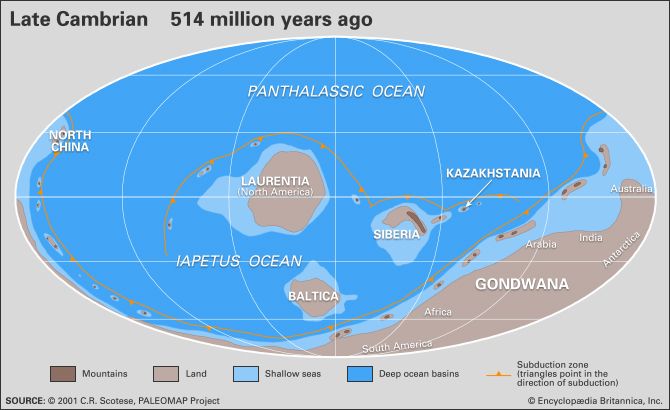
Mussel shrimp, which belong to the subclass Ostracoda, have an extensive evolutionary history spanning over 500 million years. The fossil record indicates that these crustaceans have existed from the Cambrian Period (approximately 542 million to 488 million years ago) through to the present day.1
Throughout this vast timeframe, ostracods have proven to be highly successful, with approximately 10,000 extinct species identified alongside the 6,650 currently living species. Their evolutionary persistence is largely attributed to their adaptability across diverse environments, including marine, freshwater, and terrestrial habitats.1
Because of their abundance, widespread geographic distribution, and limited vertical range within geological strata, fossilized ostracods are considered significant index fossils. Geologists rely on these microfossils to date sedimentary rocks and interpret past depositional environments, a practice that remains essential in fields such as petroleum exploration. While they have undergone morphological changes over millions of years, their fundamental body plan—characterized by a bivalved shell—has remained a defining feature of the group.1
Sources
- mussel shrimp — Encyclopædia Britannica
- crustacean - Reproduction and life cycles — Encyclopædia Britannica
- decapod — Encyclopædia Britannica
- mussel-shrimp — Merriam-Webster
- ostracoderm — Encyclopædia Britannica
- shellfish — Encyclopædia Britannica
- geology - Micropaleontology — Encyclopædia Britannica
- bivalve - Features of defense and aggression — Encyclopædia Britannica
- branchiopod - Evolution and paleontology — Encyclopædia Britannica
- fossil record — Encyclopædia Britannica
Published on · 2 min read