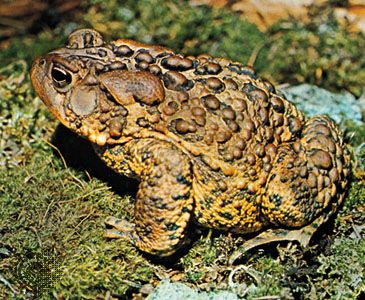
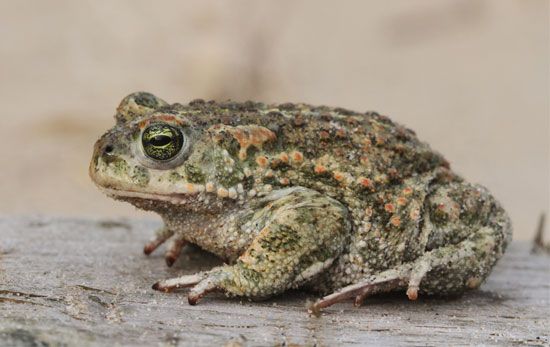
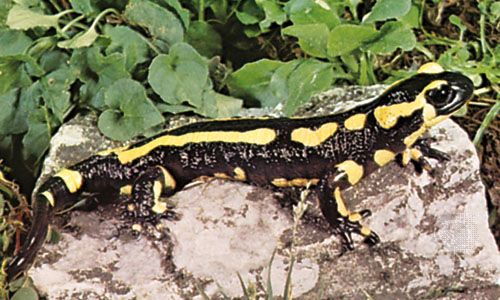
Narrow-mouthed Toad
Sorry, the Britannica knowledge base does not contain information regarding the specific scientific methods used to study narrow-mouthed toads in the wild.
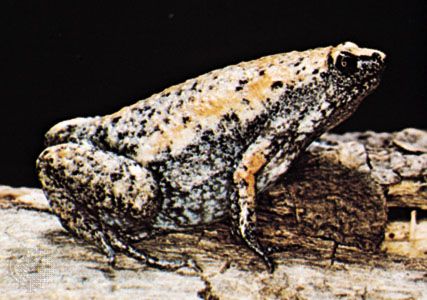
How do scientists study narrow-mouthed toads in the wild?
Sorry, the Britannica knowledge base does not contain information regarding the specific scientific methods used to study narrow-mouthed toads in the wild.
While these amphibians are known to be secretive, terrestrial, and often burrowing in nature, the provided search results do not detail the field techniques researchers employ to observe or track them.
Where are narrow-mouthed toads typically found in the world?
Narrow-mouthed toads, which belong to the family Microhylidae, have a broad global distribution. They are found across several continents, including:
- North and South America: This includes species like the eastern narrow-mouthed toad in the United States.1
- Africa: Home to various species, such as the burrowing rain frogs of the genus Breviceps and the arboreal frogs of the genus Phrynomerus.1
- Asia: Including species like the pug-nosed Glyphoglossus molossus in southeastern Asia and the garden-dwelling Kaloula pulchra in Indochina.1
- Australia: Microhylids are also present on this continent.1
These amphibians are highly adaptable, living in diverse environments ranging from underground burrows and terrestrial habitats to trees.1
How do narrow-mouthed toads reproduce and what is their life cycle like?
The reproductive strategies and life cycles of narrow-mouthed toads (family Microhylidae) are remarkably diverse, reflecting their ability to inhabit varied environments ranging from underground burrows to trees.
Reproduction and Development
While many frogs and toads follow the traditional pattern of laying eggs in water that hatch into free-swimming tadpoles, members of the Microhylidae family are among the groups that have evolved direct development. In this process, the larval stage is eliminated entirely; the young develop within the egg membranes and emerge as tiny, fully formed froglets.
For example, some species of the Papuan microhylid genus Sphenophryne exhibit parental care by laying their eggs beneath logs or stones and sitting on them to protect them until they hatch. This evolutionary shift allows these amphibians to sever their ties with aquatic environments, enabling them to breed successfully on land.
Life Cycle
For species that do not undergo direct development, the life cycle follows the standard metamorphosis pattern:
- Larval Stage: Tadpoles hatch and undergo a period of growth, during which they possess gills, a long intestine, and a tail.
- Transformation: As they mature, they develop limbs, their tails are absorbed, and their digestive systems transition to an adult form.
- Adulthood: Once metamorphosis is complete, the young froglet emerges onto land to begin its adult life.
What family do narrow-mouthed toads belong to, and how many species are in this family?
Narrow-mouthed toads belong to the family Microhylidae. This diverse family is composed of 10 subfamilies, encompassing more than 60 genera and over 300 species.1
Sources
- narrow-mouthed toad — Encyclopædia Britannica
- amphibian - Life cycle — Encyclopædia Britannica
- frog and toad - Egg laying and hatching — Encyclopædia Britannica
- frog and toad - From tadpole to adult — Encyclopædia Britannica
- frog and toad - Egg laying on land — Encyclopædia Britannica
- Reproductive behaviour - Amphibians — Encyclopædia Britannica
- tadpole — Encyclopædia Britannica
- frog and toad - Direct development from egg to froglet — Encyclopædia Britannica
- Microhylidae — Merriam-Webster
- microhylid — Merriam-Webster
Published on · 2 min read