Neuse River
The Neuse River is a waterway located in northeast-central North Carolina, United States. It is formed by the junction of the Flat, Little, and Eno rivers in…
What is Neuse River?
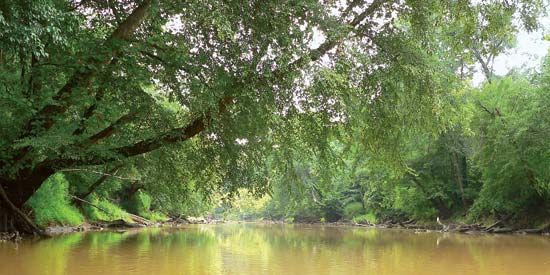
The Neuse River is a waterway located in northeast-central North Carolina, United States. It is formed by the junction of the Flat, Little, and Eno rivers in Durham County and flows approximately 275 miles (440 km) in a southeasterly direction toward the Atlantic Ocean.1
The river was named in 1584 for the Neusiok Indians. It passes Kinston, which serves as the head of navigation, and reaches New Bern before joining with the Trent River to form a wide estuary that eventually empties into the Pamlico Sound. Along its course, the river flows past the Croatan National Forest. In the 1990s, the river gained attention when the dinoflagellate Pfiesteria piscicida was identified as the cause of periodic fish kills in the area.12
What is an estuary and how does it form?
An estuary is a partly enclosed coastal body of water where river water mixes with seawater. These environments are defined by salinity gradients rather than fixed geographic boundaries, serving as productive zones where fresh water is measurably diluted by salt water.3
Formation
Most modern estuaries formed following the rise in sea level that began approximately 18,000 years ago as glaciers melted. They generally develop through three primary processes:
- Drowned Valleys: Rising seas inundated river valleys or deep gorges carved by glaciers, such as fjords.45
- Depositional Features: Barrier islands or spits enclose areas of water, restricting the exchange between river and marine environments to create lagoons or bays.4
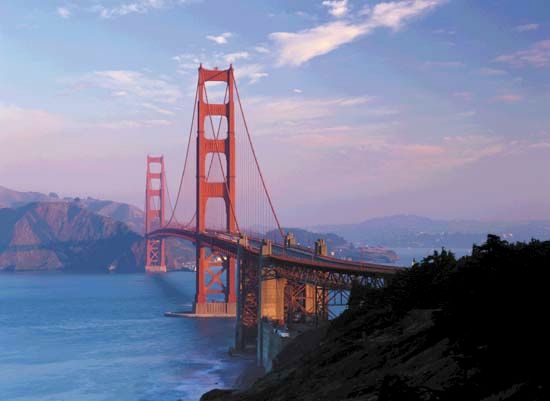
- Tectonic Activity: Coastal subsidence or down-faulting can submerge land, creating basins like San Francisco Bay.45
Estuaries are classified by their mixing patterns, ranging from salt wedge systems, where fresh water floats atop salt water, to vertically homogeneous estuaries, where tidal currents produce total mixing.64
How do dinoflagellates like Pfiesteria affect river ecosystems?
Dinoflagellates like Pfiesteria piscicida significantly impact river and coastal ecosystems, particularly when nutrient enrichment from agricultural runoff triggers rapid population growth known as algal blooms.99
These organisms affect ecosystems in several ways:
- Toxin Production: Pfiesteria and other dinoflagellates produce potent toxins that can be lethal to fish, leading to periodic mass die-offs.10111
- Food Chain Disruption: While some dinoflagellates are a natural part of the food chain, excessive blooms can render shellfish and finfish unsafe for consumption by concentrating toxins in their tissues.91213
- Physical Harm: Dense blooms can physically clog the gills of fish, leading to suffocation, and block sunlight from reaching underwater plants.9
- Oxygen Depletion: As massive blooms die and decompose, the process rapidly consumes dissolved oxygen in the water, creating conditions that suffocate other aquatic life.109
- Human Health Risks: Beyond ecological damage, these blooms can cause skin rashes, respiratory irritation, and other maladies in humans who come into contact with the water or breathe air near affected areas.101213
What are the major cities located along the Neuse River?
The Neuse River flows through northeast-central North Carolina, originating in Durham county at the junction of the Flat, Little, and Eno rivers. As it travels approximately 275 miles southeast toward the Atlantic Ocean, it passes several notable locations:
- Durham: The river is formed within this county.1
- Raleigh: The state capital is drained by the Neuse River.14
- Kinston: This city serves as the head of navigation for the river.1
- New Bern: Located 35 miles from the ocean, this city is where the Neuse joins the Trent River to form a wide estuary.1
Sources
- Neuse River — Encyclopædia Britannica
- Neuse — Merriam-Webster
- estuary - Types — Encyclopædia Britannica
- estuary — Encyclopædia Britannica
- estuary - Partially mixed estuaries — Encyclopædia Britannica
- estuary — Merriam-Webster
- river - Origin and classification — Encyclopædia Britannica
- estuary - Geology and geomorphology — Encyclopædia Britannica
- conservation - Pollution — Encyclopædia Britannica
- Harmful Algal Blooms — Encyclopædia Britannica
- Dinoflagellate — Encyclopædia Britannica
- Algae: Top Questions — Encyclopædia Britannica
- Algae - Toxicity — Encyclopædia Britannica
- North Carolina - Drainage and soils — Encyclopædia Britannica
Published on · 3 min read