Water Bloom
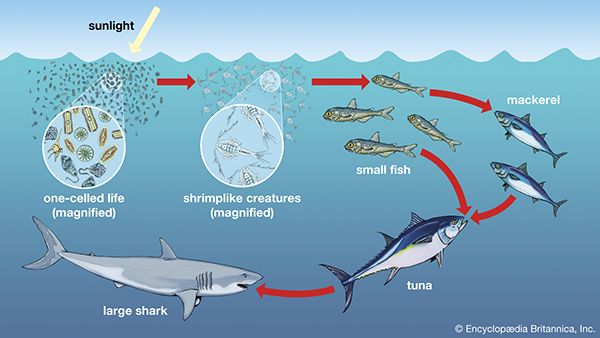
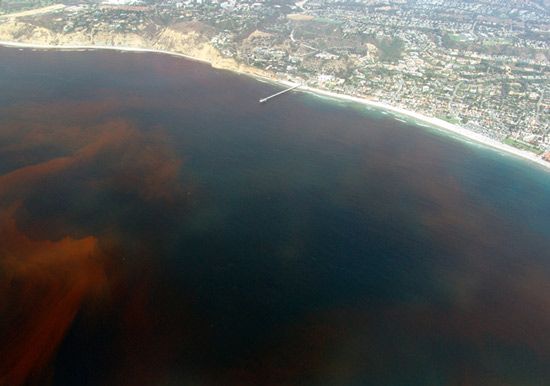
Water blooms, or dense populations of microscopic photosynthetic organisms like algae, significantly alter aquatic ecosystems by disrupting the food chain…
How do water blooms affect the food web and biodiversity in aquatic ecosystems?
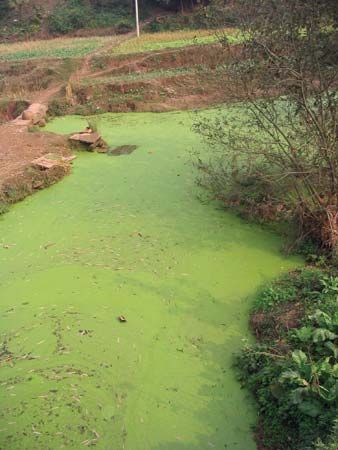
Water blooms, or dense populations of microscopic photosynthetic organisms like algae, significantly alter aquatic ecosystems by disrupting the food chain and reducing biodiversity.12
While these organisms naturally form the base of the food web, excessive blooms—often fueled by nutrient runoff—create severe environmental degradation. The impacts include:23
- Oxygen Depletion: As massive blooms die and decompose, they consume available oxygen, leading to hypoxia. This creates “dead zones” where fish, crustaceans, and other bottom-dwelling organisms suffocate.456
- Light and Physical Blockage: Dense blooms prevent sunlight from reaching underwater plants, disrupting photosynthesis. Furthermore, some blooms can physically clog the gills of fish, causing mass die-offs.42
- Toxicity: Certain species produce potent toxins that poison wildlife, contaminate shellfish, and threaten human health through consumption or respiratory irritation.127
- Biodiversity Loss: By altering water chemistry and nutrient availability, blooms can trigger shifts in species composition, such as the replacement of diatoms with cyanobacteria, ultimately favoring fewer, more resilient species and degrading complex habitats.53
We could dive deeper into the specific mechanisms of cultural eutrophication or explore how these blooms impact commercial fisheries.
What are some economic impacts of water blooms on industries like fishing and tourism?
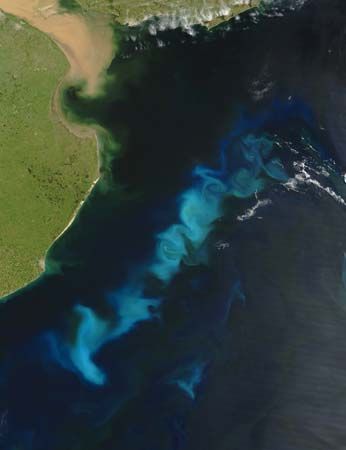
Water blooms, particularly those classified as harmful, exert significant negative pressure on local economies by degrading the natural resources that support tourism and commercial fisheries.
Impacts on Fisheries
The economic consequences for the fishing industry are primarily driven by the loss of stock and safety concerns:
- Mass Die-offs: Blooms can cause massive fish kills through oxygen depletion (hypoxia) or by physically clogging the gills of aquatic life, leading to direct financial losses for commercial operations.142
- Toxicity and Contamination: Certain blooms produce potent neurotoxins that accumulate in shellfish and finfish. This renders the catch unsafe for human consumption, forcing the closure of harvesting grounds and resulting in significant revenue loss for the industry.12
- Ecosystem Degradation: Long-term nutrient loading, or cultural eutrophication, permanently alters habitats, often reducing the productivity of waters that previously supported robust fish populations.4
Impacts on Tourism
Tourism suffers when the aesthetic and recreational value of water bodies is compromised:
- Closures: Beaches and lakes are frequently closed to the public when blooms reach high densities or produce toxins that cause skin and respiratory irritation, directly reducing visitor numbers and local spending.71
- Public Health Risks: The presence of toxic cells in the air or water discourages recreational activities, impacting businesses that rely on water-based tourism.712
How can water blooms impact human activities and health?
Water blooms, which are dense populations of microscopic photosynthetic organisms, can significantly impact human health and activities through toxicity, physical irritation, and the disruption of coastal infrastructure.18
Impacts on Human Health
- Toxicity through Consumption: Certain blooms produce potent toxins that accumulate in shellfish and finfish. Consuming contaminated seafood can lead to severe illnesses, including paralytic, diarrheic, and amnesic shellfish poisoning, which may cause symptoms ranging from gastrointestinal distress to memory loss and, in extreme cases, death.84
- Respiratory and Skin Irritation: Toxins released by blooms can cause skin and respiratory tract irritation in people nearby. In some cases, wind-sprayed toxic cells from red tide blooms can cause health issues for those breathing the air. Additionally, gases like hydrogen sulfide released during the decomposition of large seaweed mats can irritate the respiratory system.1847
Impacts on Human Activities
- Economic and Recreational Disruption: Blooms often lead to the closure of beaches and lakes, resulting in lost tourism revenue and the disruption of recreational activities.78
- Infrastructure and Navigation: Massive accumulations of algae can interfere with navigation and water-intake infrastructure, requiring costly removal efforts by coastal municipalities.7
What are some methods used to prevent or control water blooms in ecosystems?
To prevent or control water blooms, it is essential to address the process of cultural eutrophication, which is primarily driven by the excessive input of nitrogen and phosphorus into aquatic ecosystems.29
Effective management strategies focus on reducing nutrient loading through the following practices:
- Improved Agricultural Practices: Because fertilizer runoff and soil erosion are major sources of phosphorus, implementing better land management and erosion control is critical to curbing nutrient delivery to streams and lakes.24
- Advanced Wastewater Treatment: Municipal sewage treatment plants must be optimized to remove higher levels of nitrates and phosphates before treated water is discharged into surface waters.29
- Pollution Control: Comprehensive pollution control strategies are necessary to manage industrial wastes and direct runoff from sources such as animal feedlots, which contribute significantly to nutrient enrichment.29
By limiting the availability of these essential plant nutrients, the rapid, dense growth of algae can be mitigated, helping to maintain balanced aquatic communities and prevent the oxygen depletion that leads to hypoxia.29
Sources
- Water bloom — Encyclopædia Britannica
- eutrophication — Encyclopædia Britannica
- conservation - Pollution — Encyclopædia Britannica
- Harmful Algal Blooms — Encyclopædia Britannica
- hydrosphere - Eutrophication — Encyclopædia Britannica
- eutrophication Has Greek Roots — Merriam-Webster
- Algae - Toxicity — Encyclopædia Britannica
- Sargassum — Encyclopædia Britannica
- water pollution - Domestic sewage — Encyclopædia Britannica
Published on · 4 min read