Noise Pollution
Noise pollution is a significant environmental stressor that poses a serious threat to wildlife and ecosystems. Many animals, including insects, frogs…

What impact does noise pollution have on wildlife and ecosystems?
Noise pollution is a significant environmental stressor that poses a serious threat to wildlife and ecosystems. Many animals, including insects, frogs, birds, and bats, depend on sound to navigate, find food, avoid predators, communicate, and attract mates. When noise pollution interferes with these essential behaviors, it can become an existential threat to vulnerable species.12
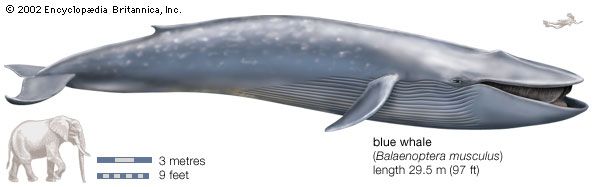
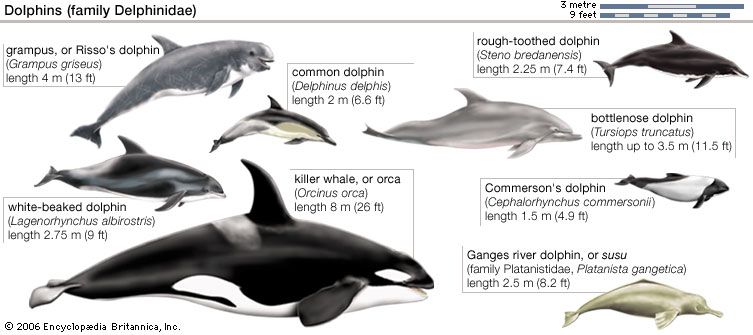
The impact is particularly severe for marine life. Many marine animals rely on echolocation to survive, yet the world’s oceans are increasingly filled with chaotic noise from shipping, seismic testing, and oil drilling. Naval sonar devices produce some of the most detrimental sounds, which can travel hundreds of miles underwater and have been linked to mass strandings of whales and dolphins. Protecting these species from acoustic disruption is a critical component of maintaining healthy, functioning ecosystems.2
What are the typical decibel levels considered harmful for human hearing?
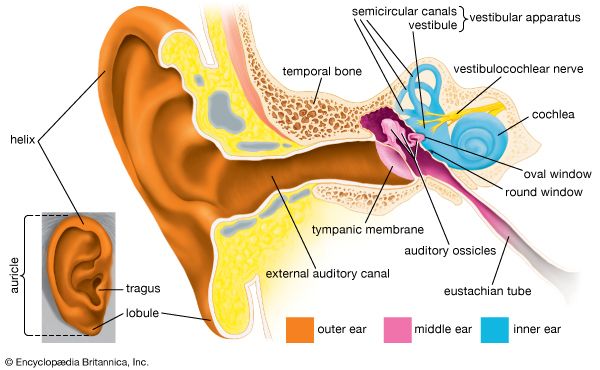
Exposure to excessive noise can cause physical damage to the inner ear, leading to temporary or permanent hearing loss. While hearing loss typically does not occur at sound pressure levels (SPL) below 80 dBA, it is recommended that eight-hour exposure levels remain below 85 dBA.1
The risk of permanent damage increases significantly with higher intensity and duration. Most individuals repeatedly exposed to noise levels exceeding 105 dBA will experience some degree of permanent hearing loss. Furthermore, the human ear begins to experience pain at levels between 120 dB and 140 dB, which represents the threshold of physical discomfort and potential immediate damage.14
Beyond direct auditory harm, chronic exposure to high noise levels is associated with various health issues, including elevated blood pressure, anxiety, and sleep disturbance. Because the decibel scale is logarithmic, even small numerical increases represent substantial rises in sound intensity, making consistent monitoring and pollution control essential for public health.14
How does noise pollution affect human health and well-being?
Noise pollution is a significant public health concern that extends far beyond being a mere nuisance. Exposure to excessive or unwanted sound can cause direct physical damage to the tympanic membrane and the hair cells of the inner ear, leading to temporary or permanent hearing loss. While hearing loss is typically avoided at levels below 80 dBA, repeated exposure to noise exceeding 105 dBA often results in irreversible damage.15
Beyond auditory harm, noise pollution triggers various nonauditory health issues. Chronic exposure is linked to elevated blood pressure, increased pulse rates, anxiety, and mental fatigue. It frequently interferes with sleep, personal communication, and cognitive performance, often leading to an increase in errors during tasks. Furthermore, high-level noise can affect the vestibular system, potentially causing dizziness or disorientation. Children are particularly vulnerable, as high noise levels can impair their memory and attention span, contributing to heightened stress.15
Given these risks, implementing effective pollution control in workplaces and communities is essential for protecting human well-being.13
What are the main sources of noise pollution in urban and rural areas?
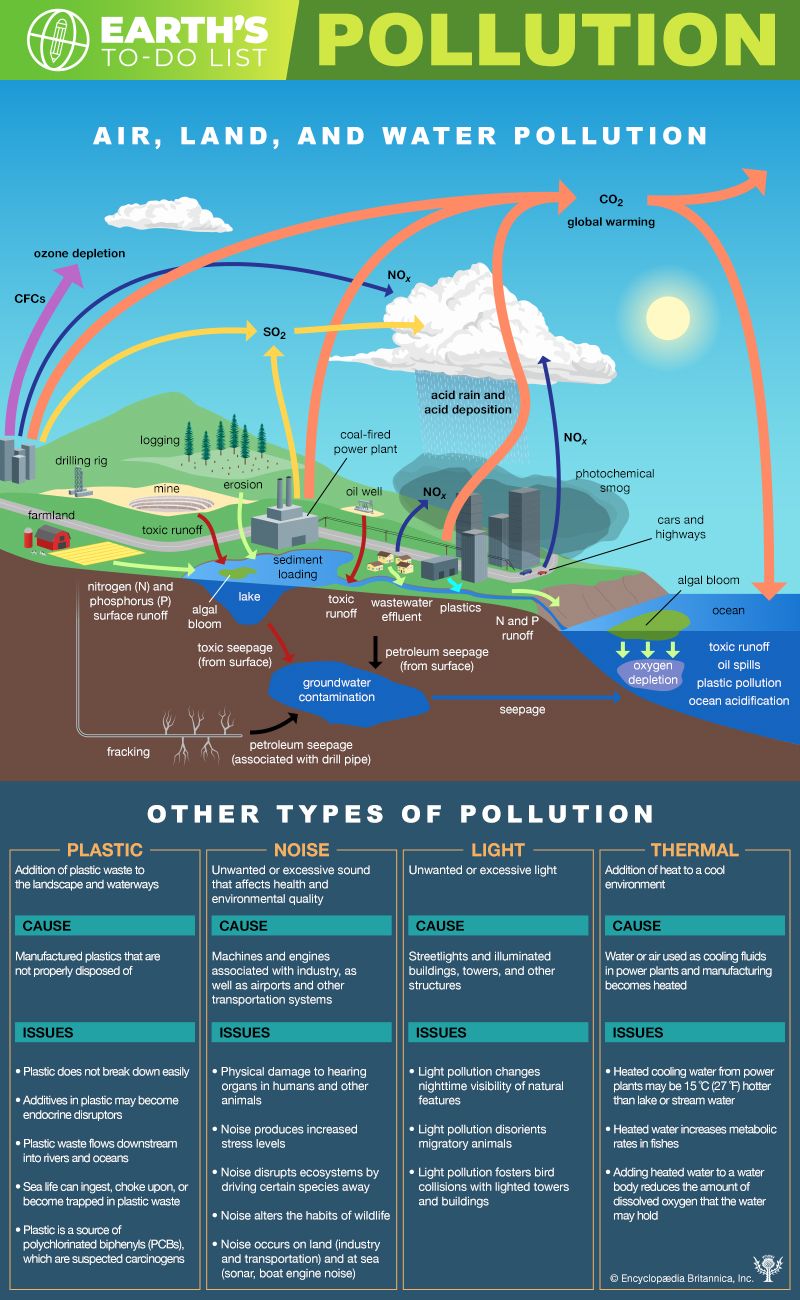
Noise pollution is defined as unwanted or excessive sound that negatively impacts human health and environmental quality. While the sources of noise can vary, they are generally categorized by their origin in industrial, commercial, or traffic-related activities.3
Primary Sources of Noise Pollution
- Transportation: This is a major contributor to noise in both urban and rural settings. It includes highway traffic, railway operations, and airplane traffic. In densely populated cities, traffic congestion is a primary driver of noise levels that frequently exceed regulatory limits.36
- Industrial and Workplace Activity: Many industrial facilities generate significant noise as part of their daily operations. These environments are often subject to specific noise-control criteria to protect workers from excessive sound exposure.32
- Construction: Outdoor construction activities are a common source of noise pollution, particularly in developing or expanding urban areas.3
- Dense Urban Activity: Beyond specific infrastructure, general high-density human activity in cities—such as that found in major metropolitan areas—contributes to elevated ambient noise levels.6
While urban areas often face higher concentrations of these sources, rural areas are not immune, particularly those located near major transportation corridors like highways, airports, or railroads, where sound can travel over distances due to atmospheric conditions such as temperature inversions.2
Sources
- noise pollution - Effects on humans and wildlife — Encyclopædia Britannica
- noise pollution - Noise regulation and mitigation — Encyclopædia Britannica
- noise pollution — Encyclopædia Britannica
- noise pollution - Measuring and perceiving loudness — Encyclopædia Britannica
- acoustic trauma — Encyclopædia Britannica
- pollution in India - Other types of pollution — Encyclopædia Britannica
- transportation economics - The influence of transportation on natural resources — Encyclopædia Britannica
Published on · 4 min read