Outer Hebrides
The Outer Hebrides, an island chain off the northwestern coast of Scotland, host a diverse range of wildlife adapted to their rugged, isolated environment.
What are some unique wildlife species found in the Outer Hebrides?
The Outer Hebrides, an island chain off the northwestern coast of Scotland, host a diverse range of wildlife adapted to their rugged, isolated environment.1
Notable species found in the region include:
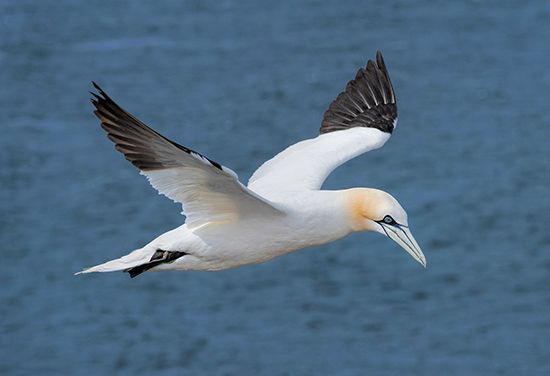
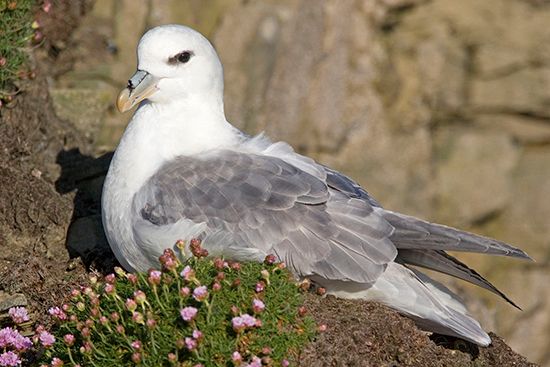
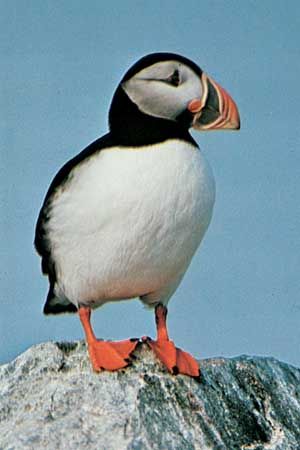
- Seabirds: The islands’ isolated nature supports large populations of birds, including gannets, fulmars, and puffins.1
- Marine Mammals: The Atlantic gray seal is commonly found inhabiting the coastal areas of the islands.1
- Terrestrial Mammals: Red deer are present on the northern islands. Additionally, a primitive breed of wild sheep is native to the island of Soay.12
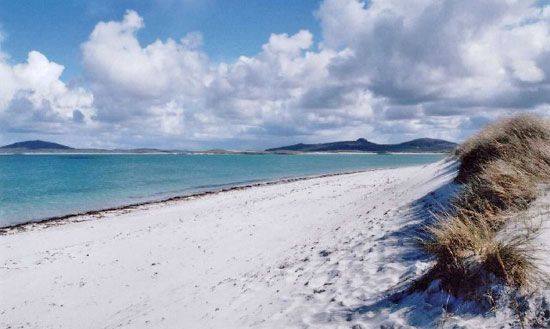
The landscape of the Outer Hebrides, characterized by peat bogs, grassland, and the distinctive machair (grassy plains) along the western coasts, provides a unique habitat for these species.1
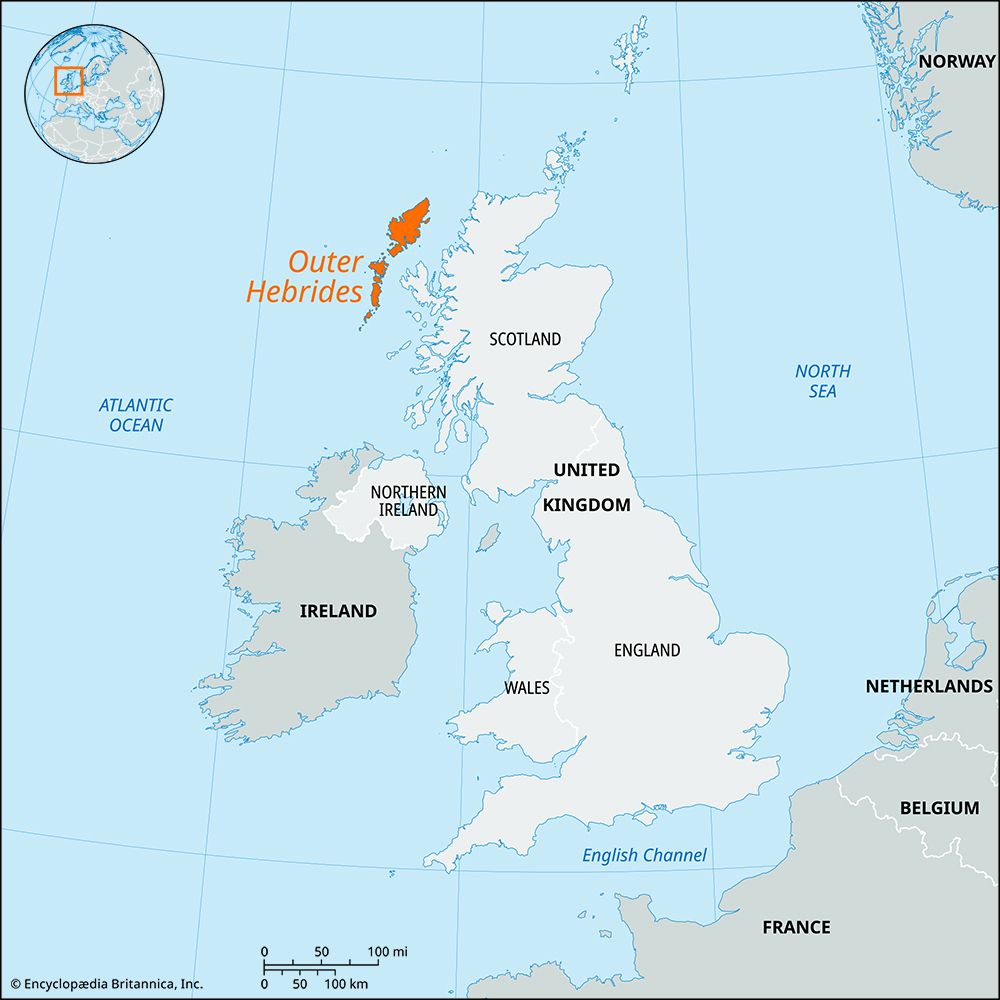
What is the geographical location of the Outer Hebrides?
The Outer Hebrides are an island chain located off the northwestern coast of the Scottish mainland. They form the Western Isles council area and are situated in a crescent approximately 40 miles (65 km) from the mainland, further out than the Inner Hebrides.
The chain stretches 130 miles (210 km) from the island of Lewis in the north to Barra Head in the south. They are separated from the Inner Hebrides by the Minch and Little Minch channels to the north and the Sea of the Hebrides to the south. Additionally, the St. Kilda island group is located about 40 miles (65 km) northwest of the main chain.
How do the Outer Hebrides contribute to Scotland’s renewable energy production?
The Outer Hebrides, which constitute the Western Isles council area, have increasingly integrated renewable energy into their local economy alongside traditional industries like crofting, fishing, and tourism.35
While the islands have historically relied on peat for heating, they now contribute to Scotland’s broader push toward renewable capacity. Scotland as a whole has been a global leader in the development of deep-sea offshore wind farms and research into wave and tidal energy. Given their location in the Atlantic, the islands possess significant potential for harnessing these marine-based energy sources, which utilize ocean currents and wave motion to generate electricity.6527
By diversifying their economic base to include these modern energy sectors, the Outer Hebrides are actively participating in the transition toward sustainable power generation.5
What are some of the major industries and economic activities in the Outer Hebrides?
The economy of the Outer Hebrides is built upon a mix of traditional practices and modern industries. Key economic activities include:
- Crofting: This tenant farming remains a traditional mainstay. Most crofts are small, supporting a few sheep, a cow, and enough crops to supplement the local diet and provide a modest income.37
- Textile Manufacturing: The islands are world-renowned for Harris tweed. While traditionally woven on handlooms in crofters’ homes, the modern process involves factory-based preparation of the wool—including washing, dyeing, blending, and spinning—before the final weaving is completed by hand.32
- Fishing: Although it has declined since the peak of the herring industry in the early 20th century, fishing remains an important sector. Stornoway serves as a primary hub, offering natural harbor access and ship-repair facilities.372
- Tourism and Services: The islands rely significantly on tourism, alongside food processing and the growing renewable energy sector.72
Sources
- Scotland - Plant and animal life — Encyclopædia Britannica
- Hebrides — Encyclopædia Britannica
- Outer Hebrides — Encyclopædia Britannica
- What Is a Marine Mammal? — Encyclopædia Britannica
- Scotland - Resources and power — Encyclopædia Britannica
- wave power — Encyclopædia Britannica
- Western Isles — Encyclopædia Britannica
- tidal power — Encyclopædia Britannica
- Iceland - Agriculture and fishing — Encyclopædia Britannica
Published on · 3 min read