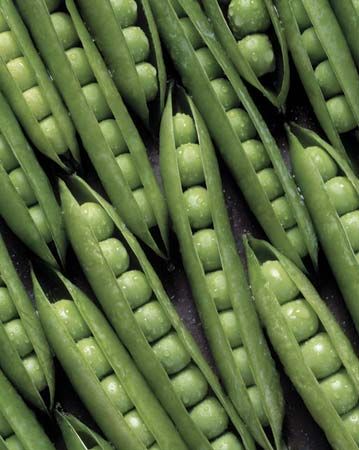
Pea
Legumes, including peas and beans, are highly nutritious staples that serve as an essential source of human nutrition for billions of people.
What are the nutritional benefits of consuming peas and other legumes?
Legumes, including peas and beans, are highly nutritious staples that serve as an essential source of human nutrition for billions of people.12
Key Nutritional Benefits
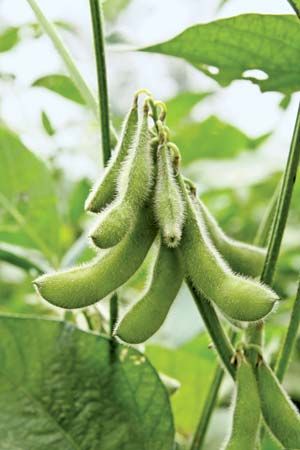
- Protein and Amino Acids: Legumes are an excellent source of protein, typically containing at least 20 percent by weight, and they provide many of the essential amino acids required for health.12
- Vitamins and Minerals: They are rich in B vitamins, including thiamin and riboflavin, and serve as a good source of iron.13
- Dietary Fiber: Legumes are high in dietary fiber, which supports overall well-being.2
- Low Fat Content: Most legumes are naturally low in fat, with the notable exception of soybeans, which are a significant source of edible oil.1
Because of their durability and dense nutritional profile, legumes like navy beans have historically been valued as reliable provisions for maintaining strength and energy.3
How do legumes like peas fix nitrogen in the soil, and why is this important?
Legumes, such as peas, beans, and alfalfa, fix nitrogen through a specialized symbiotic relationship with soil bacteria known as Rhizobium.
The Process of Nitrogen Fixation
The process begins when these bacteria invade the root hairs of the host plant, stimulating the formation of root nodules. Within these nodules, the bacteria perform a complex biosynthetic interaction with the plant, converting atmospheric nitrogen gas (N2N_2)—which is otherwise unusable by most living organisms—into ammonia or nitrates. The plant utilizes these compounds for its own development, while the bacteria receive a home and subsistence from the host legume. a home and subsistence from the host legume.4
Why It Is Important
This biological process is vital for several reasons:
- Soil Fertility: When the legume dies or its roots decay, the nitrogen compounds are released into the soil, enriching it for other plants.4
- Agricultural Sustainability: Historically, crop rotation has relied on legumes to maintain soil productivity without the need for synthetic fertilizers.45
- Ecosystem Support: Legumes are essential to the global nitrogen cycle, supporting the vegetation of forests, prairies, and deserts worldwide.64
What are some common pests and diseases that affect pea crops?
Pea crops are susceptible to various pests and diseases that can impact yield and quality. Managing these threats often involves integrated pest management, a strategy that combines biological controls, resistant plant varieties, and minimal chemical intervention.
Common Pests
- Pea Aphids: These widely distributed insects (Acyrthosiphon pisum) are serious pests that affect legumes, including peas, alfalfa, and clover.7
- Pea Weevils: Two types of weevils commonly target these plants: the Bruchus pisorum, which destroys the interior of the pea, and the European weevil (Sitona lineatus), which feeds on the leaves.8
Common Diseases
- Fungal Diseases: Peas are frequently affected by powdery mildew, caused by the fungus Erysiphe polygoni, and downy mildew, caused by Peronospora viciae.9
- Root Rot: This is a common disease that affects the root systems of pea plants.10
- Viral Diseases: Various viruses can also infect pea crops, potentially stunting growth or reducing productivity.10
Control measures for these diseases typically include using disease-free seeds, practicing crop rotation, and removing plant materials that may harbor pathogens.11
How have peas been cultivated and used throughout history?
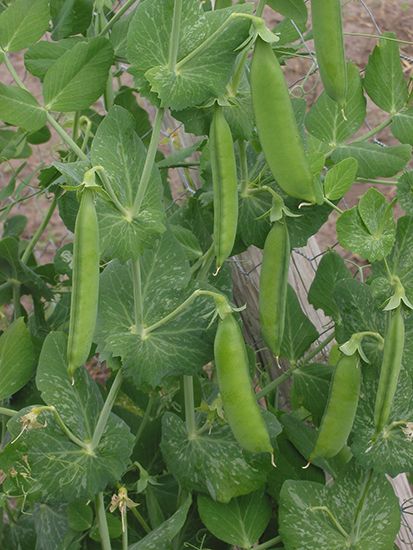
The pea (Pisum sativum) is one of the oldest cultivated crops in human history. While its exact origins remain uncertain, the plant is native to the Mediterranean region, and archaeological evidence of its cultivation dates back to the late Neolithic Period in the Middle East. Over time, European colonization facilitated the spread of the crop to the New World and across the globe.12
Historically, peas have been utilized for food, forage, and soil enrichment. Dried peas have long been a staple ingredient in soups, while fresh, canned, and frozen varieties remain common today. Certain types, such as field peas, have been grown specifically for livestock feed and as green manure to improve soil health.1213
Beyond agriculture, the pea holds a significant place in the history of science. In the mid-1800s, the monk Gregor Mendel used pea plants in his monastery garden to conduct pioneering studies on heredity, establishing the foundational principles of modern genetics.1214
Sources
- human nutrition - Legumes — Encyclopædia Britannica
- Fabales — Encyclopædia Britannica
- Why are navy beans called navy beans? — Encyclopædia Britannica
- Nitrogen-fixing bacteria — Encyclopædia Britannica
- Fabaceae - Nitrogen fixation — Encyclopædia Britannica
- Crop rotation — Encyclopædia Britannica
- pea mildew — Merriam-Webster
- Integrated pest management — Encyclopædia Britannica
- pea aphid — Merriam-Webster
- pea weevil — Merriam-Webster
- Plant disease - Control — Encyclopædia Britannica
- Pea — Encyclopædia Britannica
- peas porridge — Merriam-Webster
- grass pea — Merriam-Webster
- field pea — Merriam-Webster
- Plant breeding - History — Encyclopædia Britannica
Published on · 3 min read