Plant Development
Environmental factors are critical in regulating plant growth, development, and overall health.
How do environmental factors like light, water, and temperature affect plant growth?
Environmental factors are critical in regulating plant growth, development, and overall health.
Light
Light is the primary energy source for photosynthesis, driving the production of carbohydrates. Beyond energy, light acts as a signal; the pigment phytochrome detects light quality, influencing processes like stem elongation, leaf expansion, and flowering. Furthermore, the photoperiod—or day length—regulates seasonal development, such as when a plant flowers.12
Temperature
Temperature dictates the rate of biochemical reactions; generally, growth slows as temperatures drop. Each species has “cardinal temperatures” (minimum, optimum, and maximum) that define its growth range. Extreme temperatures can cause damage, such as frost injury or heat-induced scald. Additionally, temperature influences photorespiration, which can limit photosynthetic efficiency.3456
Water
Water is essential for photosynthesis and nutrient transport. Irregular water supply can inhibit nutrient uptake, leading to disorders like blossom-end rot. Drought conditions often cause wilting, stunting, and leaf scorching, while waterlogged soil can lead to oxygen deficiency.15
What role do roots play in plant development and how do they grow?
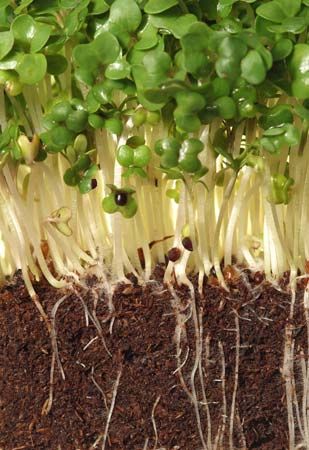
Roots are essential organs in vascular plants, serving three primary functions: anchoring the plant in the soil, absorbing water and dissolved minerals for transport to the stem, and storing reserve foods.89
How Roots Grow
Roots grow in length exclusively from their tips, a process driven by the apical meristem, a region of actively dividing cells. This growth occurs in three distinct, overlapping zones:810
- Cell Division: The apical meristem produces new cells. The tip is protected by a root cap, which shields the delicate meristem as it pushes through the soil.810
- Cell Elongation: Located just above the meristem, this region is where cells increase in size, directly contributing to the increase in root length.810
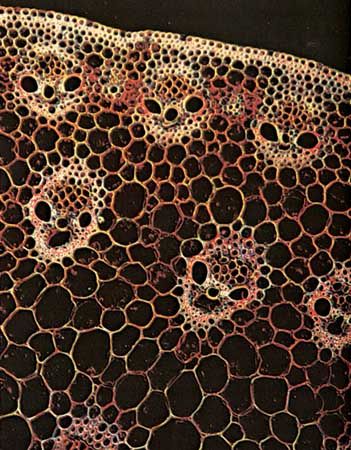
- Maturation: In this zone, cells differentiate into specific tissues, such as the epidermis, cortex, and vascular cylinder. Here, root hairs develop to significantly increase the surface area for osmosis and nutrient uptake.810
In woody plants, roots also undergo secondary growth, increasing in girth through the activity of the vascular cambium and cork cambium.810
How does the process of germination initiate plant development?
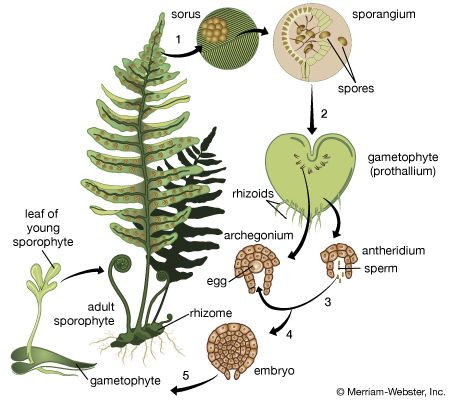
Germination is the process by which a seed or spore resumes growth, typically following a period of dormancy. This initiation is triggered by favorable environmental conditions, including appropriate temperature, oxygen availability, and light exposure.1415
The process begins with imbibition, the absorption of water by the embryo. This causes the cells to rehydrate and expand, leading to an increase in the rate of respiration and the resumption of metabolic processes that were suspended during dormancy. As the embryo becomes active, it utilizes stored nutritional reserves—found in the endosperm or cotyledons—to fuel early growth.1416
Active development usually commences with the emergence of the primary root, or radicle, from the seed coat. While initial growth relies on cell expansion, cell division soon follows, establishing the foundation for further organ formation. Throughout this stage, the seedling responds to environmental cues like gravity and light to orient its growth, ensuring the shoot reaches the surface to begin photosynthesis.14
What is the role of photosynthesis in plant development?
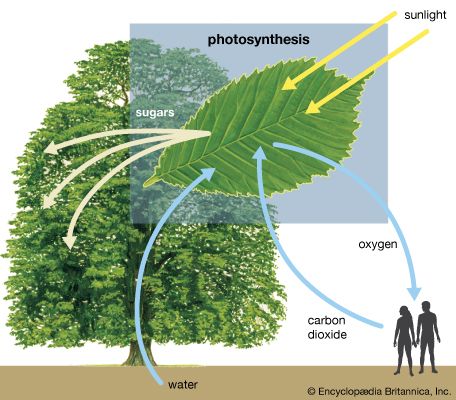
Photosynthesis is the fundamental process by which plants convert light energy into chemical energy, providing the essential fuel required for plant development and growth. By transforming water, carbon dioxide, and minerals into oxygen and energy-rich organic compounds, photosynthesis powers the cellular processes that sustain a plant throughout its life span.18
The primary organic products of this process are carbohydrates, such as glucose, starch, and sucrose. These compounds serve as the building blocks for plant tissues and are translocated to nourish non-photosynthesizing parts of the plant, such as roots and stems. Additionally, photosynthesis facilitates the synthesis of amino acids, proteins, and lipids, which are critical for the development of various plant structures.19201821
Ultimately, the chemical energy stored during photosynthesis supports the cell division, enlargement, and differentiation that drive the physical expansion of the plant from a seed to a mature organism.18
Sources
- Growth - Light — Encyclopædia Britannica
- Growth - Temperature — Encyclopædia Britannica
- Tree - Leaf adaptations — Encyclopædia Britannica
- Agricultural technology - Temperature — Encyclopædia Britannica
- Plant disease - Adverse environment — Encyclopædia Britannica
- horticulture - Light control — Encyclopædia Britannica
- Photosynthesis - Light intensity and temperature — Encyclopædia Britannica
- Root — Encyclopædia Britannica
- Angiosperm - Uptake of water and mineral nutrients from the soil — Encyclopædia Britannica
- Taproot — Encyclopædia Britannica
- apical meristem — Encyclopædia Britannica
- Plant development - Origin of the primary organs — Encyclopædia Britannica
- Tree - Tree roots — Encyclopædia Britannica
- Germination — Encyclopædia Britannica
- Plant development - Germination and early growth — Encyclopædia Britannica
- Plant development - The “breaking” of dormancy — Encyclopædia Britannica
- horticulture - Growth regulation by chemicals — Encyclopædia Britannica
- Photosynthesis - Overall reaction of photosynthesis — Encyclopædia Britannica
- Plant - Basic mechanisms — Encyclopædia Britannica
- How do plants grow? — Encyclopædia Britannica
- Photosynthesis - Energy efficiency of photosynthesis — Encyclopædia Britannica
- Photosynthesis - Basic products of photosynthesis — Encyclopædia Britannica
- Plant - Principal pathways and cycles — Encyclopædia Britannica
- Photosynthesis - Factors that influence the rate of photosynthesis — Encyclopædia Britannica
Published on · 5 min read