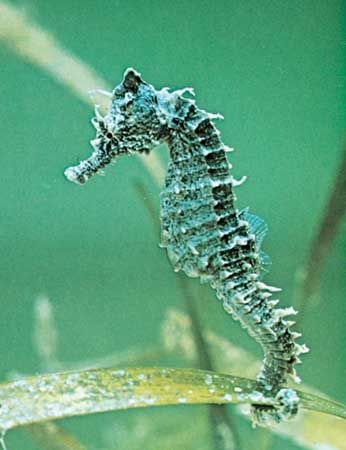
Prickleback
A prickleback is any of approximately 60 species of marine fishes belonging to the family Stichaeidae. It is important to distinguish these from…
What is prickleback?
A prickleback is any of approximately 60 species of marine fishes belonging to the family Stichaeidae. It is important to distinguish these from sticklebacks, which are a different family (Gasterosteidae) known for their distinct nesting behaviors and bony plates.12
Pricklebacks are primarily found in the northern Pacific Ocean, with a few species occurring in the North Atlantic. They are characterized by an elongate body shape and a low dorsal fin that runs the entire length of the body. Their name is derived from the spiny rays that compose this dorsal fin. In most species, the pelvic fins are either reduced or entirely absent.1
How do pricklebacks differ from sticklebacks?
While some dictionaries may conflate the terms, pricklebacks and sticklebacks are biologically distinct families of fish with significant differences in classification, anatomy, and behavior.
Taxonomic and Physical Differences
- Family Classification: Pricklebacks belong to the family Stichaeidae (order Perciformes), whereas sticklebacks belong to the family Gasterosteidae (order Gasterosteiformes).123
- Anatomy: Pricklebacks are elongate fish with a low dorsal fin running the length of the body, composed of spiny rays. In contrast, sticklebacks are small, elongated fish characterized by 2 to 16 isolated spines on their back, positioned in front of a soft-rayed dorsal fin. Sticklebacks also possess bony plates on their sides and sharp spines in their pelvic fins.12
- Habitat: Pricklebacks are exclusively marine, primarily found in the northern Pacific Ocean. Sticklebacks are more versatile, inhabiting fresh, brackish, and marine waters throughout the Northern Hemisphere.12
Behavioral Distinctions
Sticklebacks are widely recognized for their complex reproductive behaviour. Males build nests from plant materials and mucous secretions, guard the eggs, and aggressively defend them from intruders. Such specialized nesting behavior is not a defining characteristic of the Stichaeidae family.21
What does it mean for a fish to be marine?
For a fish to be considered marine, it must live in seawater, which is an environment characterized by a high concentration of salts compared to freshwater habitats. Because of this, marine fish face unique physiological challenges regarding osmoregulation, the process of maintaining a balance of water and salts within their bodies.6
In seawater, fish naturally lose water through osmosis. To survive, many marine species drink large quantities of seawater and use their kidneys to excrete excess salts while retaining water. However, not all marine fish follow this pattern; some, such as sharks and rays, maintain internal salt concentrations similar to their environment, allowing them to avoid drinking water.6
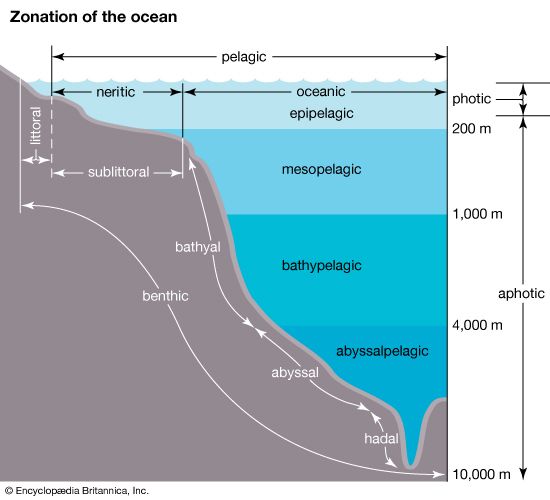
Marine fish inhabit the marine ecosystem, a vast and complex environment covering two-thirds of the Earth’s surface. This includes diverse habitats ranging from shallow coastal waters to the extreme depths inhabited by deep-sea fish, which have evolved specialized adaptations to survive in cold, high-pressure, and dark conditions.78
What are some other fish found in the Pacific Ocean?
The Pacific Ocean hosts the most diverse array of marine life in the world, supporting a vast range of fish species across its temperate, tropical, and polar regions.
Notable Fish Species in the Pacific
- Salmon: The Pacific is home to five species of the genus Oncorhynchus, including the sockeye, coho, chum, chinook, and pink salmon.910
- Plankton-feeding Fish: In areas where nutrient-rich waters upwell, dense populations of the herring family thrive, most notably the Japanese sardine and the Peruvian anchovy.10
- Demersal (Bottom-living) Fish: The North Pacific supports significant populations of bottom-dwelling species, such as the North Pacific hake and the Alaska pollock.10
- Tuna: Six species of tuna roam the tropical reaches of the Pacific, representing a major portion of the global catch.10
- Reef-associated Fish: The western Pacific contains the world’s most extensive coral reefs, which harbor approximately six times more species of fish than those found in the Caribbean.10
- Aquaculture Species: Beyond wild-caught varieties, species such as sea bream, mullet, and groupers are commonly raised in Pacific aquaculture facilities.11
Sources
- prickleback — Encyclopædia Britannica
- stickleback — Encyclopædia Britannica
- gasterosteiform — Encyclopædia Britannica
- prickleback — Merriam-Webster
- pricklyback — Merriam-Webster
- Do fish drink water? — Encyclopædia Britannica
- Marine ecosystem — Encyclopædia Britannica
- deep-sea fish — Encyclopædia Britannica
- salmon — Encyclopædia Britannica
- Pacific Ocean - Biological resources — Encyclopædia Britannica
- Pacific Ocean - Fisheries — Encyclopædia Britannica
Published on · 3 min read