Roselle
The roselle (Hibiscus sabdariffa) is widely recognized for its culinary and industrial uses, but it also holds a significant place in traditional healing…
Are there any traditional medicinal uses for roselle in different cultures?
The roselle (Hibiscus sabdariffa) is widely recognized for its culinary and industrial uses, but it also holds a significant place in traditional healing practices. Across many tropical regions, various parts of the plant are utilized in traditional medicine to treat a diverse range of ailments.1
While the plant is frequently cultivated for its edible, acid-tasting calyxes—often used in beverages, jellies, and sauces—or for its bast fibre used in textiles, its medicinal applications remain a key aspect of its cultural history in tropical Africa and other regions where it is grown.1
What are some popular products made from roselle around the world?
Roselle (Hibiscus sabdariffa) is a versatile plant utilized globally for both its industrial fibers and its edible components. Its various parts are processed into several popular products:
Food and Beverage Products
- Beverages: The red, acid-tasting calyxes are widely used to create refreshing drinks.1
- Condiments and Spreads: The fleshy calyxes are processed into jellies, preserves, sauces, and chutneys.1
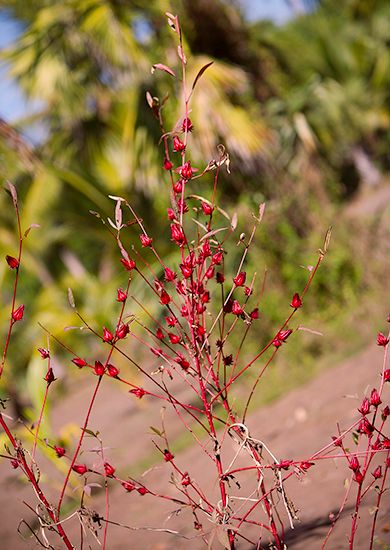
- Fresh Produce: The calyxes can be eaten fresh, offering a flavor profile similar to cranberries.1
- Culinary Ingredients: The leaves and stalks are consumed as salads or cooked vegetables and are frequently used to season curries.1
- Seeds: In tropical Africa, the oil-containing seeds are consumed as a food source.1
Industrial Products
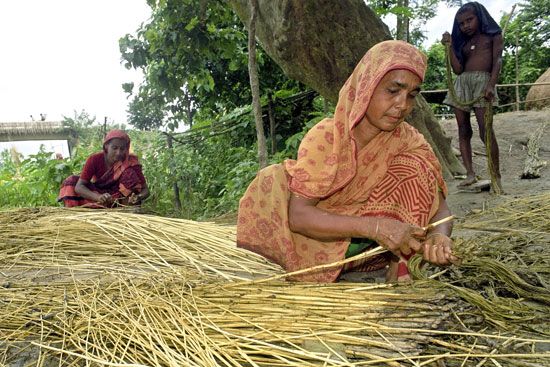
- Textiles and Packaging: The plant provides a bast fibre that is lustrous and strong. It is commonly used, often in combination with jute, to manufacture bagging fabrics and various types of twine.1
How is roselle cultivated, and in which regions is it commonly grown?
Roselle (Hibiscus sabdariffa) is a Malvaceae family plant native to West Africa, now cultivated across various tropical regions, including India, Java, and the Philippines.1
Cultivation Practices
Although a perennial, roselle is typically grown as an annual and propagated from seed. It thrives in loamy, well-drained soil and requires approximately 25 cm (10 inches) of rainfall per month during the growing season; it is highly sensitive to frost.1
Cultivation methods vary by the intended harvest:
- For Fibre: Seeds are sown closely to encourage vertical growth (3 to 5 metres) with minimal branching. Stalks are harvested when buds appear and undergo a retting process to extract the bast fibre.1
- For Food: Plants are spaced more widely to promote shorter, bushier growth. The calyxes are harvested once they become plump and fleshy.1
The plant has a long history of global distribution, reaching the West Indies by the 16th century and Asia by the 17th century, with significant industrial expansion in Indonesia during the 1920s.1
What is roselle and which plant family does it belong to?
Roselle (Hibiscus sabdariffa) is a plant belonging to the mallow family (Malvaceae).134
It is a versatile species primarily cultivated for two distinct purposes:
- Fibre: Certain varieties, such as H. sabdariffa variety altissima, are grown for their bast fibre, which is used to manufacture bagging fabrics and twine.14
- Food: Other varieties, such as H. sabdariffa variety sabdariffa, are cultivated for their edible, fleshy calyxes, which are used in beverages, sauces, and preserves.1
As a member of the genus Hibiscus, the plant is native to tropical regions, likely originating in West Africa, and is now grown globally in warm climates.14
Sources
Published on · 2 min read