Rue
The plant known as rue (Ruta graveolens) is a perennial shrub native to the Balkan Peninsula. While the term "rue" is used in English, its etymological roots…
What are some common names for rue in different cultures and languages?
The plant known as rue (Ruta graveolens) is a perennial shrub native to the Balkan Peninsula. While the term “rue” is used in English, its etymological roots trace back to the Latin ruta and the Greek rhytē.12
It is important to note that the English word “rue” is often confused with the French word for “street,” but these terms are linguistically unrelated. The English word for the herb stems from the Greek rhytē, whereas the word for “sorrow” or “regret” shares a different history, originating from the Old English hrēow.2
Regarding its cultural usage, rue is a known component of berbere, a traditional spice mixture used in Ethiopia and Eritrea. While it has a history in traditional medicine, it is essential to recognize that the plant can be toxic; it is known to be hepatotoxic in large doses and can cause severe skin reactions, such as phytophotodermatitis, upon sun exposure.3
What are the potential side effects or risks associated with using rue?
Using rue (Ruta graveolens) carries significant health risks, and it is vital to approach its use with extreme caution due to its potential for toxicity.
Health Risks and Side Effects
- Systemic Toxicity: While historically used in herbal medicine to stimulate menstruation or as an abortifacient, these preparations are ineffective for terminating a pregnancy. Instead, they pose severe dangers, including the induction of vomiting, hemorrhages, and liver damage, which can be lethal in severe cases.1
- Hepatotoxicity: The plant is known to be hepatotoxic, meaning it can cause damage to the liver when consumed in large doses.1
- Dermatological Reactions: Skin contact with the plant can lead to severe phytophotodermatitis. This condition manifests as burnlike blisters that occur when the skin is exposed to sunlight after touching the plant.1
Given these serious health implications, it is essential to prioritize safety and consult with medical professionals regarding the use of any herbal substances.
How is rue used in culinary applications?
Rue (Ruta graveolens) is a perennial shrub characterized by its strongly aromatic, bitter-tasting leaves. Due to its intense flavor, it is not used widely in cooking and is typically employed only in small amounts, whether fresh or dried.
In culinary applications, rue serves as a traditional flavoring in certain Mediterranean countries. It is also a recognized ingredient in berbere, a characteristic spice mixture essential to the cuisines of Ethiopia and Eritrea.
While the plant has a long history of use, it is important to exercise caution. Beyond its culinary role, rue is known to be hepatotoxic in large doses and can cause severe skin reactions, such as burnlike blisters, if handled before sun exposure. Given these significant health risks, it is vital to prioritize safety when considering the use of this herb.
What is rue and which plant family does it belong to?
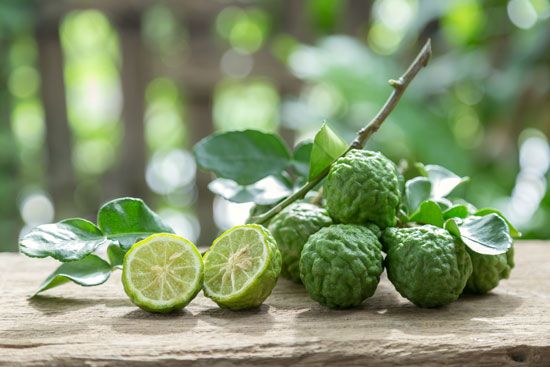
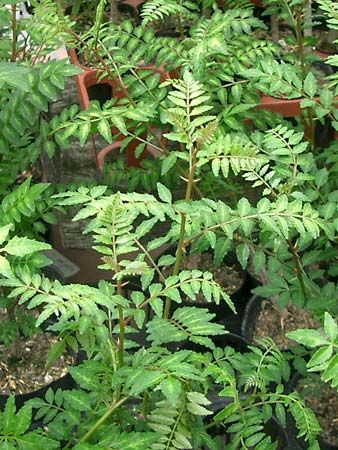
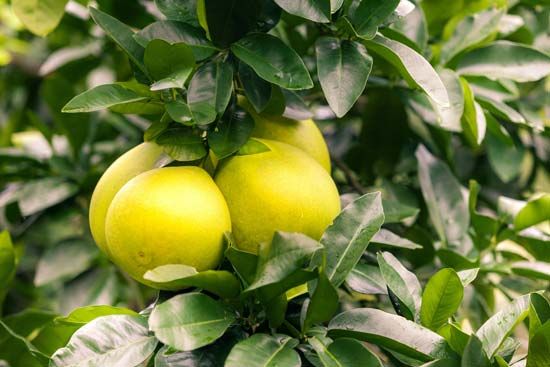
Rue (Ruta graveolens) is a small perennial evergreen shrub native to the Balkan Peninsula. It is a member of the Rutaceae family, which is widely known for including the citrus genus, as well as other plants valued for their essential oils and aromatic properties.14
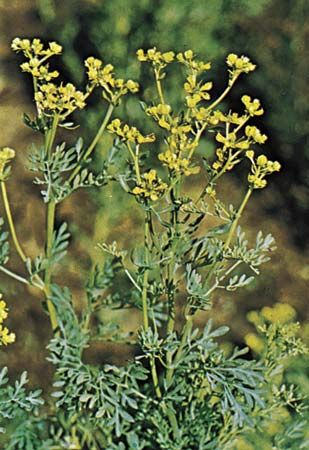
The plant is recognized by its gland-studded, feathery, gray-green or blue-green leaves and clusters of dull yellow flowers. While it has a history of use as a culinary and medicinal herb, it is important to note that it is hepatotoxic in large doses and can cause severe skin reactions, such as blisters, upon contact and sun exposure.1
Sources
- rue — Encyclopædia Britannica
- rue — Merriam-Webster
- Did you know? — Merriam-Webster
- Sapindales - Rutaceae — Encyclopædia Britannica
Published on · 3 min read