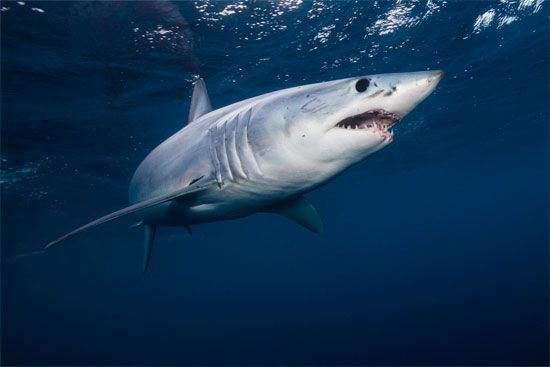
Sand Shark
The term "sand shark" typically refers to three species of sharks in the family Odontaspididae, commonly known as sand tiger sharks. These include the sand…
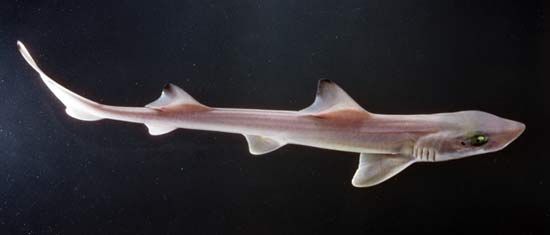
What is sand shark?
The term “sand shark” typically refers to three species of sharks in the family Odontaspididae, commonly known as sand tiger sharks. These include the sand tiger shark (Carcharias taurus), the smalltooth sand tiger shark (Odontaspis ferox), and the bigeye sand tiger shark (Odontaspis noronhai).12
These sharks are generally found in shallow, tropical and temperate coastal waters, though the bigeye sand tiger shark prefers deeper habitats. They are characterized by their stocky bodies, pointed snouts, and long, daggerlike teeth, which they use to prey on fish, squids, and crustaceans. While often perceived as voracious, they are generally sluggish and typically nonaggressive toward humans, though they should be treated with caution due to their size.12
Conservation status varies: the sand tiger shark is listed as critically endangered, the smalltooth sand tiger as vulnerable, and the bigeye sand tiger as a species of least concern, largely due to varying levels of pressure from commercial fishing.12
What is intrauterine cannibalism in sharks?
Intrauterine cannibalism in sharks is a reproductive strategy observed in certain ovoviviparous species, where embryos consume their siblings or unfertilized eggs while still inside the mother’s uterus.45
This behavior typically occurs after an embryo has exhausted the nutrients provided by its own yolk sac. In species such as the sand shark, the porbeagle, and the mako, the developing embryos will ingest the yolks of other eggs or even consume other embryos present within the oviduct. This process ensures that the surviving offspring receive a significant supply of nourishment before birth, which may contribute to their development and survival.5
It is important to distinguish this developmental process from “shark frenzy,” which refers to a different type of cannibalism where sharks in a group attack and devour injured members of their own species due to intense feeding stimulation.6
How do sand tiger sharks use air to stay buoyant?
The sand tiger shark (Carcharias taurus) is unique among sharks for its ability to swallow and store air within its stomach. By retaining this air, the shark effectively simulates the function of a swim bladder—an organ typically found in bony fishes that regulates buoyancy. This physiological adaptation allows the sand tiger shark to achieve neutral buoyancy, enabling it to hover motionless in the water column without the need for constant swimming.3
Why are some shark species considered vulnerable or endangered?
Many shark species are considered vulnerable or endangered primarily due to the impacts of commercial fishing, which has driven significant population declines worldwide.8
Primary Threats
- Bycatch: A major factor in population crashes is the accidental capture of sharks in nets, longline hooks, and other gear intended for different species. It is estimated that tens of millions of sharks are taken as bycatch annually.89
- Shark Finning: The practice of harvesting fins for shark-fin soup—a dish often symbolic of status—has historically resulted in the deaths of tens of millions of sharks each year.89
- Habitat Degradation: For some species, such as the Ganges shark, threats include pollution, sand mining, and habitat fragmentation caused by dams.10
Biological Vulnerability
Sharks are particularly susceptible to these pressures because they are slow to reproduce, often taking many years to reach maturity and producing only a few offspring at a time. This slow reproductive rate makes it difficult for populations to recover once they have been depleted. As apex predators, their decline can also trigger ecological instability, potentially leading to the collapse of marine habitats.98
Sources
- sand shark — Encyclopædia Britannica
- sand shark — Merriam-Webster
- sand tiger shark — Encyclopædia Britannica
- Cannibalism — Encyclopædia Britannica
- shark: Top Questions — Encyclopædia Britannica
- chondrichthyan - Reproduction and development — Encyclopædia Britannica
- shark - Shark behaviour — Encyclopædia Britannica
- Saving Sharks in the 2020s — Encyclopædia Britannica
- carcharhinid — Encyclopædia Britannica
- Man Bites Shark — Encyclopædia Britannica
- Ganges shark: Top Questions — Encyclopædia Britannica
- crocodile shark — Encyclopædia Britannica
Published on · 3 min read