Saxifrage
There are approximately 300 identified species within the genus Saxifraga, which belongs to the Saxifragaceae family. These plants are primarily native to…
How many species of saxifrage exist, and what are some notable examples?
There are approximately 300 identified species within the genus Saxifraga, which belongs to the Saxifragaceae family. These plants are primarily native to temperate, subarctic, and alpine regions and are well-known for their ability to thrive in harsh, rocky environments, earning them the name “rock breaker”.12
Notable examples of saxifrage include:
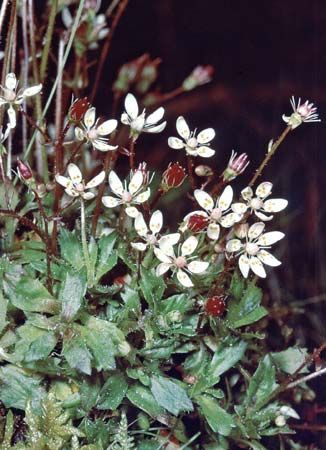
- North American species: Saxifraga virginiensis, S. pennsylvanica, and S. oregana are found growing in the wild.1
- European species: Saxifraga callosa, S. cotyledon, and S. granulata are prized for their branched, colorful flower clusters.1
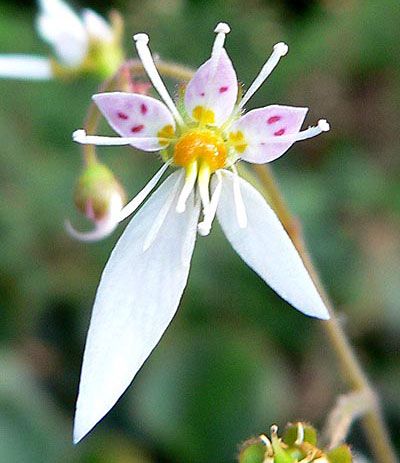
- Garden varieties: S. paniculata is noted for its diverse garden varieties, while S. stolonifera—also known as strawberry begonia—is a popular trailing plant often grown in baskets.12
- Adaptations: Some species exhibit unique survival traits, such as the moisture-storing rueleaf saxifrage (S. tridactylites) and the aquatic S. nutans.2
Where are saxifrage plants typically found in nature?
Saxifrage plants are primarily native to temperate, subarctic, and alpine regions across the globe. While the family Saxifragaceae is cosmopolitan, its members are most commonly found in the following environments:21
- Rocky Habitats: True to their name, which means “rock breaker,” many Saxifraga species are renowned for their ability to thrive on exposed rocky crags and within rock fissures. In high-altitude alpine regions, they often grow in areas covered by snow and ice for much of the year, sometimes developing as cushion plants to survive the harsh conditions.2
- Moist Woodlands: The majority of species within the Saxifragaceae family, including many Saxifraga, prefer moist, shaded woodland environments.2
- Wetlands and Streams: Some species are highly adapted to moisture-rich areas. For example, marsh saxifrage (Micranthes pensylvanica) is found in bogs, while lettuceleaf saxifrage (M. micranthes) grows in cold mountain streams and on wet rocks. One species, Saxifraga nutans, is considered a true aquatic plant.2
What role do saxifrage plants play in their ecosystems?
Saxifrage plants play a significant role in their ecosystems, particularly in harsh, high-altitude environments where few other plants can survive. Their primary ecological contributions include:
- Pioneer Colonization: Known as rock breakers, these plants are uniquely adapted to grow on exposed rocky crags and within rock fissures. By establishing themselves in these extreme, often snow-covered alpine regions, they help stabilize rocky substrates and initiate the process of soil formation in otherwise barren areas.2
- Adaptation to Harsh Climates: Many species have evolved into cushion plants, which feature a reduced leaf surface and a foreshortened shoot. This growth form helps them withstand extreme cold and wind, providing a microhabitat that can trap moisture and protect the soil surface from erosion.2
- Moisture Management: Saxifrages demonstrate a remarkable range of adaptations to moisture, from aquatic species like Saxifraga nutans to those in bogs and dry rocky habitats. By utilizing specialized structures like bulbils, fleshy cuticularized leaves, and leaf rosettes that absorb dew, they efficiently manage water resources, which supports the local moisture balance in their respective niches.2
How have humans cultivated saxifrage plants for ornamental purposes?
Humans have long cultivated saxifrage plants for their aesthetic appeal, particularly valuing them for their small, bright flowers and fine-textured foliage. Because of their natural affinity for rocky environments, they are most frequently utilized as subjects for rock gardens, though some species are also grown in garden borders.1
Alpine species are especially popular among gardeners because they are among the first to bloom in the spring. Several European species, such as Saxifraga callosa, S. cotyledon, and S. granulata, are prized for their much-branched flower clusters that range in color from white to rose-pink. Additionally, S. paniculata has been developed into numerous garden varieties that offer a diverse range of sizes, leaf shapes, and flower colors.1
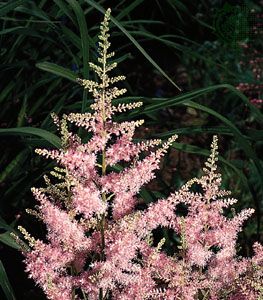
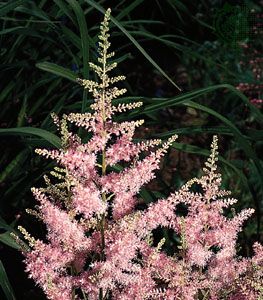
While most saxifrages are outdoor plants, Saxifraga stolonifera—commonly known as strawberry begonia—is widely cultivated as a window or basket plant due to its attractive trailing habit and cascading runners. Beyond the Saxifraga genus, other members of the Saxifragaceae family, such as coral bells and Astilbe, are also popular choices for ornamental garden displays.12
Sources
- saxifrage — Encyclopædia Britannica
- Saxifragaceae — Encyclopædia Britannica
- early saxifrage — Merriam-Webster
Published on · 3 min read