Schizodus
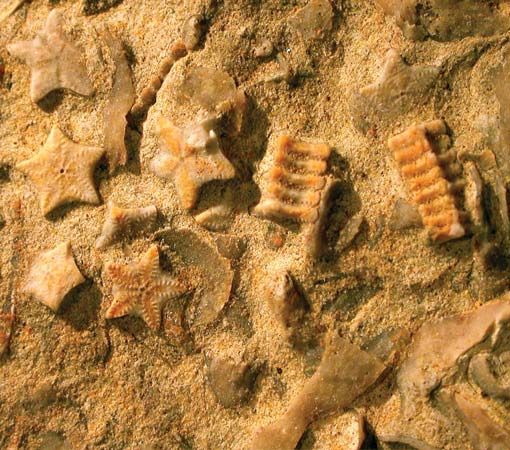
Schizodus is an extinct genus of small mollusks that lived from the Devonian to the Permian Period, approximately 416 million to 251 million years ago.
What is Schizodus?
Schizodus is an extinct genus of small mollusks that lived from the Devonian to the Permian Period, approximately 416 million to 251 million years ago.1
As a representative of the schizodont group of clams, these organisms are characterized by a unique method of shell articulation. Their shells are typically smooth and lack ornamentation, featuring only fine growth lines. These fossils are significant for understanding the evolution and diversity of marine life during the Paleozoic Era.1
What are the main differences between bivalves and other mollusks?
Bivalves (class Bivalvia) are a distinct group within the phylum Mollusca that have evolved unique anatomical features to support their largely sedentary, filter-feeding lifestyle. The primary differences between bivalves and other mollusks include:
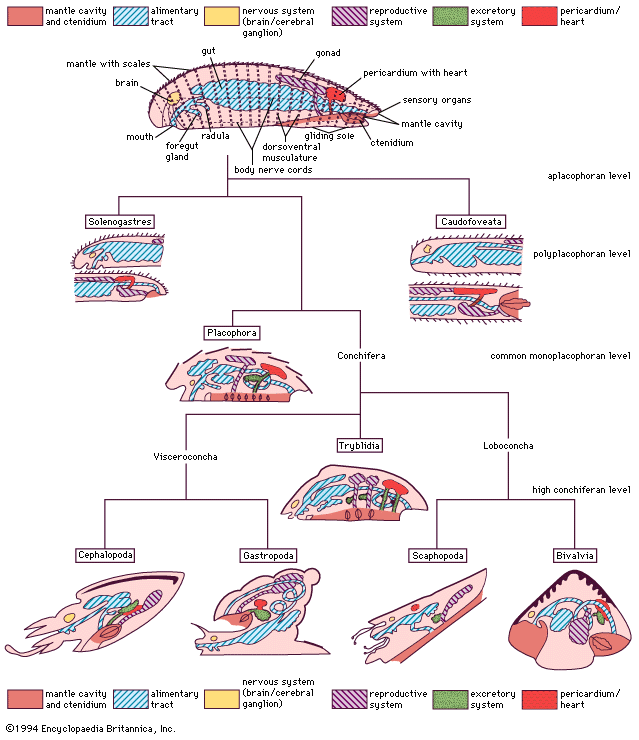
- Shell Structure: Bivalves are characterized by a shell divided into two halves, or “valves,” connected by a hinge. Unlike many other mollusks, such as gastropods (snails) or cephalopods (squids), bivalves lack a distinct head and the associated sensory organs.23
- Feeding Mechanisms: Most mollusks possess a radula, a rasping, tooth-like organ used for feeding. Bivalves have lost this organ entirely. Instead, they have modified their respiratory gills into large, ciliated organs called ctenidia, which function as filters to capture microscopic food particles from the water.2456
- Body Plan: Bivalves typically exhibit a laterally compressed body, which facilitates their ability to burrow into sediments or attach to hard surfaces. While other mollusks may use a muscular foot for various types of locomotion, the bivalve foot is often specialized for digging or, in some species, for secreting byssal threads to anchor the animal to a substrate.47835
How do scientists use fossils to determine the age of rock layers?
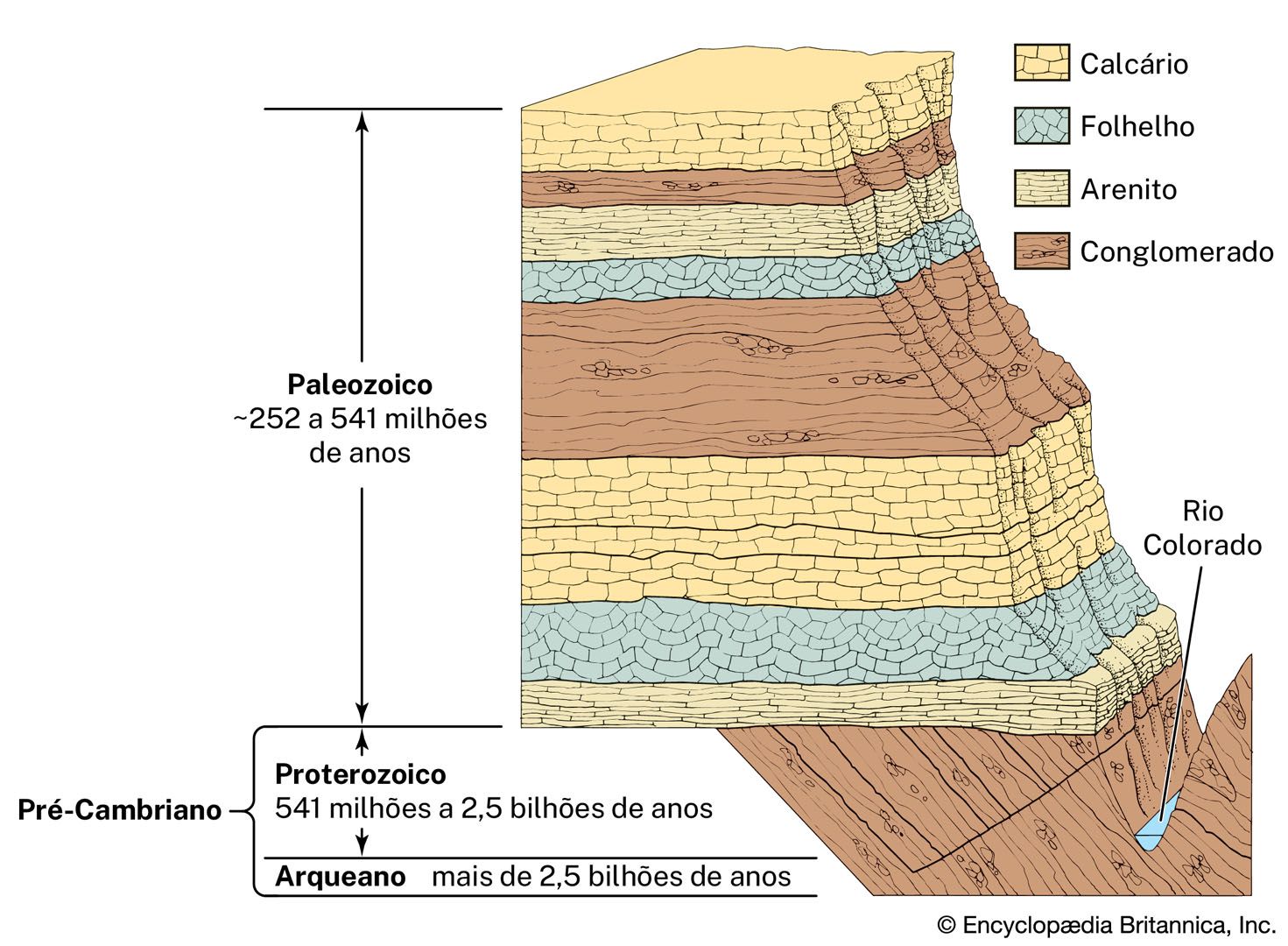
Scientists determine the age of rock layers and correlate them across different locations by integrating several methods, primarily relying on the fossil record and geochronology.1112
Fossil-Based Dating
The primary tool for dating sedimentary rocks is the principle of faunal succession, which observes that fossilized organisms appear in a specific, predictable order through time.13
- Index Fossils: Scientists use index fossils—species that were abundant, widely distributed, and existed for only a short geologic span—to identify and correlate rock layers globally.1413
- Biostratigraphy: By identifying unique assemblages of fossils, geologists can define specific time intervals and link separated rock outcrops that formed during the same period.1315
Absolute Dating
Because fossils only provide relative ages, scientists use radioactive isotopes to calibrate the fossil record and determine absolute ages.1213
- Radiometric Dating: By measuring the decay of isotopes like uranium, potassium, or rubidium into stable daughter elements, scientists can calculate the time elapsed since a rock formed.1112
- Integration: This method is essential for dating non-fossiliferous rocks and calibrating the geologic time scale, ensuring that the relative order established by fossils is consistent with absolute time.1213
What major environmental changes occurred during the Permian Period?
The Permian Period (298.9 million to 252.2 million years ago) was a time of profound environmental transformation, characterized by significant climatic shifts and the assembly of the supercontinent Pangea.1617
Climatic Shifts
At the start of the period, widespread glaciation persisted from the Carboniferous Period in regions such as Antarctica, Australia, and India. However, as Pangea formed, the climate transitioned toward global warming and increased aridity. The assembly of landmasses disrupted atmospheric flow and closed marine seaways, leading to the development of widespread deserts in tropical and subtropical regions.1617
Geological and Atmospheric Changes
- Tectonic Activity: The collision of landmasses created high mountain ranges that diverted warm marine air, significantly influencing regional climates.17
- Volcanism: Toward the end of the period, massive eruptions of the Siberian flood basalts released vast quantities of volcanic ash and carbon dioxide. This activity likely darkened the skies, hindered photosynthesis, and contributed to ocean acidification and oxygen depletion.17
Biological Impact
These environmental stressors culminated in the largest mass extinction in Earth’s history, which eliminated over 95 percent of marine species and more than 70 percent of terrestrial species.1618
Sources
- Schizodus — Encyclopædia Britannica
- bivalve — Encyclopædia Britannica
- mollusk - Annotated classification — Encyclopædia Britannica
- What’s the difference between clams, mussels, and oysters? — Encyclopædia Britannica
- bivalve - Evolution and paleontology — Encyclopædia Britannica
- bivalve - Internal features — Encyclopædia Britannica
- bivalve - Classification — Encyclopædia Britannica
- bivalve - Size range and diversity of structure — Encyclopædia Britannica
- bivalve - Food and feeding — Encyclopædia Britannica
- bivalve - The respiratory system — Encyclopædia Britannica
- index fossil — Encyclopædia Britannica
- dating: Top Questions — Encyclopædia Britannica
- dating - Distinctions between relative-age and absolute-age measurements — Encyclopædia Britannica
- dating - Principles and techniques — Encyclopædia Britannica
- Tertiary Period - Correlation of Tertiary strata — Encyclopædia Britannica
- A Journey Through Time Since the Precambrian - Permian Period: 298.9 million to 252.2 million years ago — Encyclopædia Britannica
- Permian Period - Paleoclimate — Encyclopædia Britannica
- end-Triassic extinction — Encyclopædia Britannica
- Permian Period - Temperature crises — Encyclopædia Britannica
Published on · 3 min read