Scorpionfly
A scorpionfly is an insect belonging to the order Mecoptera, characterized by a distinct elongated beak with chewing mouthparts, long threadlike antennae…
What is scorpionfly?
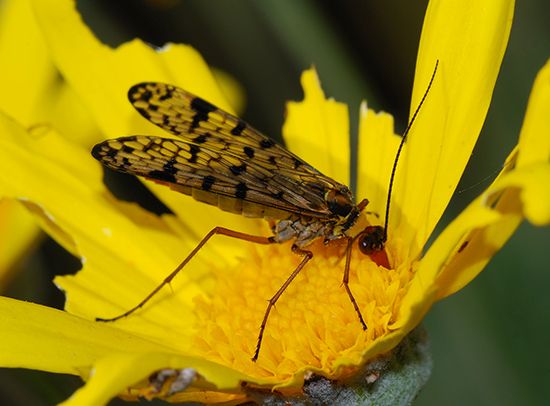
A scorpionfly is an insect belonging to the order Mecoptera, characterized by a distinct elongated beak with chewing mouthparts, long threadlike antennae, and two pairs of net-veined wings.12
Despite their intimidating name, these insects are harmless to humans. They play a beneficial role in the environment as scavengers, feeding primarily on dead animals and occasionally on plants. The name “scorpionfly” is derived from the appearance of the male, which carries its genitalia—a bulbous segment at the end of the abdomen—curled over its back in a manner reminiscent of a scorpion. Their life cycle involves a caterpillar-like larval stage, with pupation typically occurring in the soil.12
What other insects belong to the order Mecoptera?
The order Mecoptera is primarily known for the scorpionflies, which belong to the family Panorpidae.34
While the term “scorpionfly” is often used broadly to refer to any insect within the order Mecoptera, the order itself is a distinct group of insects characterized by their elongated beaks and chewing mouthparts. According to the available records, the order is defined by these specific insects, which are considered to have descended from an ancestral stem that may have also given rise to other insect orders, such as the Neuroptera, Megaloptera, and Raphidiodea.421
How do scorpionflies help the environment as scavengers?
Scorpionflies (order Mecoptera) serve a useful function in nature by acting as scavengers. Both in their larval stage and as adults, these insects feed primarily on dead animals, particularly other insects, and occasionally on plants. By consuming decaying organic matter, they contribute to the natural breakdown and recycling of nutrients within their ecosystems.1
What are the stages of the scorpionfly life cycle?
The life cycle of the scorpionfly (order Mecoptera) follows a process of complete metamorphosis, which includes the following stages:
- Egg: The life cycle begins when eggs are laid, typically in the soil or other protected environments.
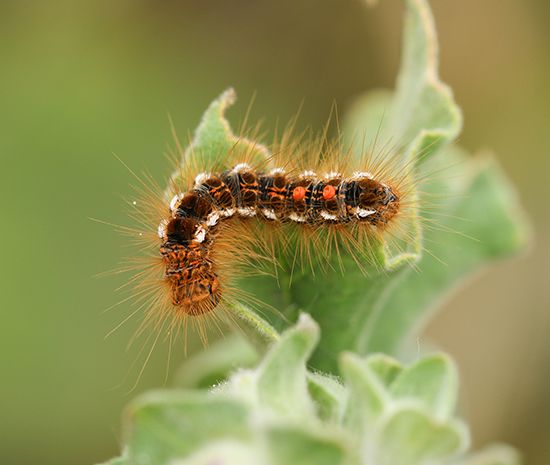
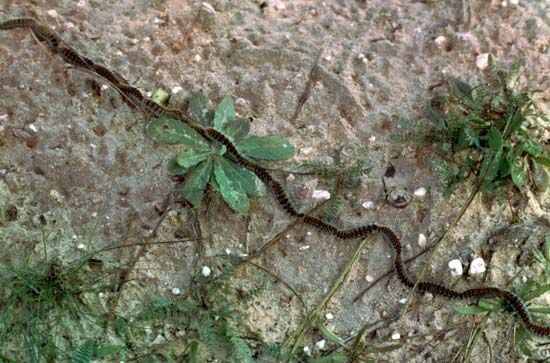
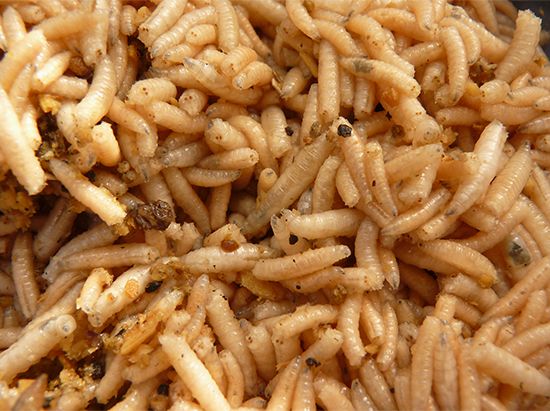
- Larva: Upon hatching, the insect enters the larval stage. The scorpionfly larva is distinct in appearance, often resembling a caterpillar. During this phase, the larva acts as a scavenger, feeding on dead animals—particularly other insects—and occasionally plant matter.
- Pupa: Once the larval stage is complete, the insect undergoes pupation. This process occurs within the soil, where the larva transforms into a pupa, a resting stage during which the body undergoes a major reorganization of tissues.
- Adult: After the pupal development is finished, the mature adult emerges. Adult scorpionflies are characterized by their elongated beaks with chewing mouthparts, threadlike antennae, and two pairs of membranous, net-veined wings.
Sources
- scorpionfly — Encyclopædia Britannica
- scorpion fly — Merriam-Webster
- List of insects - megalopterans (order Megaloptera) — Encyclopædia Britannica
- neuropteran - Annotated classification — Encyclopædia Britannica
- neuropteran - General features — Encyclopædia Britannica
- List of insects - order Embioptera — Encyclopædia Britannica
- scorpion - Internal features — Encyclopædia Britannica
- Lepidoptera - Pupa , or chrysalis — Encyclopædia Britannica
- arachnid - Reproduction and life cycle — Encyclopædia Britannica
- scorpion - External features — Encyclopædia Britannica
Published on · 2 min read