Scurfy Scale
The term "scurfy scale" refers to a specific insect, Chionaspis furfura, rather than a generic skin condition or plant disease.
What is scurfy scale?
The term “scurfy scale” refers to a specific insect, Chionaspis furfura, rather than a generic skin condition or plant disease.12
What is Scurfy Scale?
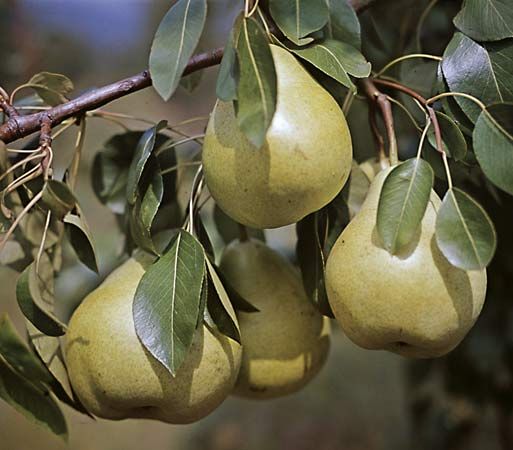
The scurfy scale is an insect belonging to the armoured scale family, Diaspididae. It is recognized as a significant pest for various ornamental and fruit trees, such as apple and pear, particularly within the United States.12
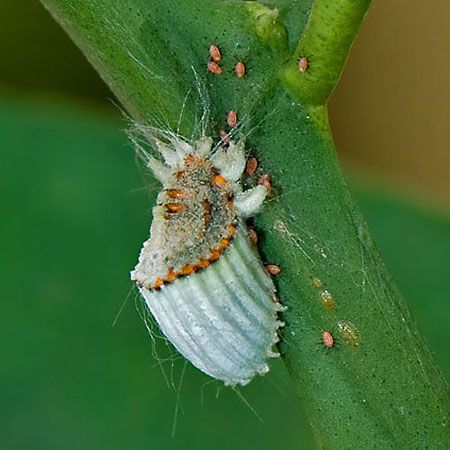
The insect is named for the appearance it creates on the bark of infested trees, which often looks “scurfy”—a term describing thin, dry, or flaky scales. The physical characteristics of the insect include:31
- Females: Gray and pear-shaped, measuring approximately 3 mm (0.1 inch) in length.1
- Males: Smaller than the females and white in color, distinguished by three longitudinal ridges.1
These insects can cause noticeable spotting on both the fruit and foliage of the trees they inhabit. Depending on the climate, they may produce one or two generations per year, and they are typically managed through the application of oil sprays.1
How do armoured scale insects damage trees?
Armoured scale insects, including species like the scurfy scale, damage trees by feeding directly on plant tissues. After hatching, the immature insects, known as crawlers, disperse across the plant to select a feeding site. Once settled, they secrete a protective waxy shell that covers their bodies.24
These insects utilize specialized mouthparts to extract sap from various parts of the plant, including the:
This feeding process can lead to significant aesthetic and physiological damage, such as the spotting of foliage and fruit, and can give the bark of infested trees a dry, flaky, or “scurfy” appearance. Because each species is often restricted to specific host plants, their impact can be particularly severe on susceptible ornamental and fruit trees.24
What are the life stages of the scurfy scale?
The life cycle of the scurfy scale, like other members of the armoured scale family, involves distinct developmental stages.25
- Egg: The life cycle typically begins as eggs protected beneath the female’s secreted scale covering.5
- Crawler: Newborn young, known as crawlers, emerge from the scale to search for a feeding site on the host plant.5
- Sessile Stage: After a few days, the crawlers molt, losing their legs and antennae. They become sessile, secreting a hard, protective waxy scale over their bodies while inserting their mouthparts into the plant to feed.5
- Maturation:
- Females: Remain sessile, increasing in size and periodically enlarging their scale covering without developing wings or changing form.5
- Males: Undergo a more complete metamorphosis beneath their scale covering. They pass through a pupal stage before emerging as winged adults capable of seeking out and mating with the wingless females.5
Depending on the climate, the scurfy scale may complete one or two generations per year.2
Why are oil sprays effective against scale insects?
Oil sprays are an effective method for controlling scurfy scale and other armoured scale insects primarily because of their physical mode of action.
When applied to an infested tree, the oil works by coating the insects and their protective waxy coverings. This creates a barrier that effectively suffocates the insects by blocking their spiracles, the small openings they use for respiration. Additionally, these sprays can penetrate the waxy scale, disrupting the insect’s ability to feed and survive on the host plant. Because oil sprays target the insects through physical contact rather than chemical toxicity, they are a common and reliable tool for managing these pests on fruit and ornamental trees.2
Sources
- scurf — Merriam-Webster
- scurfy scale — Encyclopædia Britannica
- scurfy scale — Merriam-Webster
- scale insect — Encyclopædia Britannica
- homopteran - Scale insects — Encyclopædia Britannica
- armored scale — Merriam-Webster
Published on · 3 min read