Shivalik Range
The Siwalik Range (also known as the Shivalik or Churia Range) acts as the southernmost foothills of the Himalayas, and its drainage is characterized by…
What major rivers originate from or flow through the Siwalik Range?
The Siwalik Range (also known as the Shivalik or Churia Range) acts as the southernmost foothills of the Himalayas, and its drainage is characterized by seasonal torrents and shifting watercourses.1
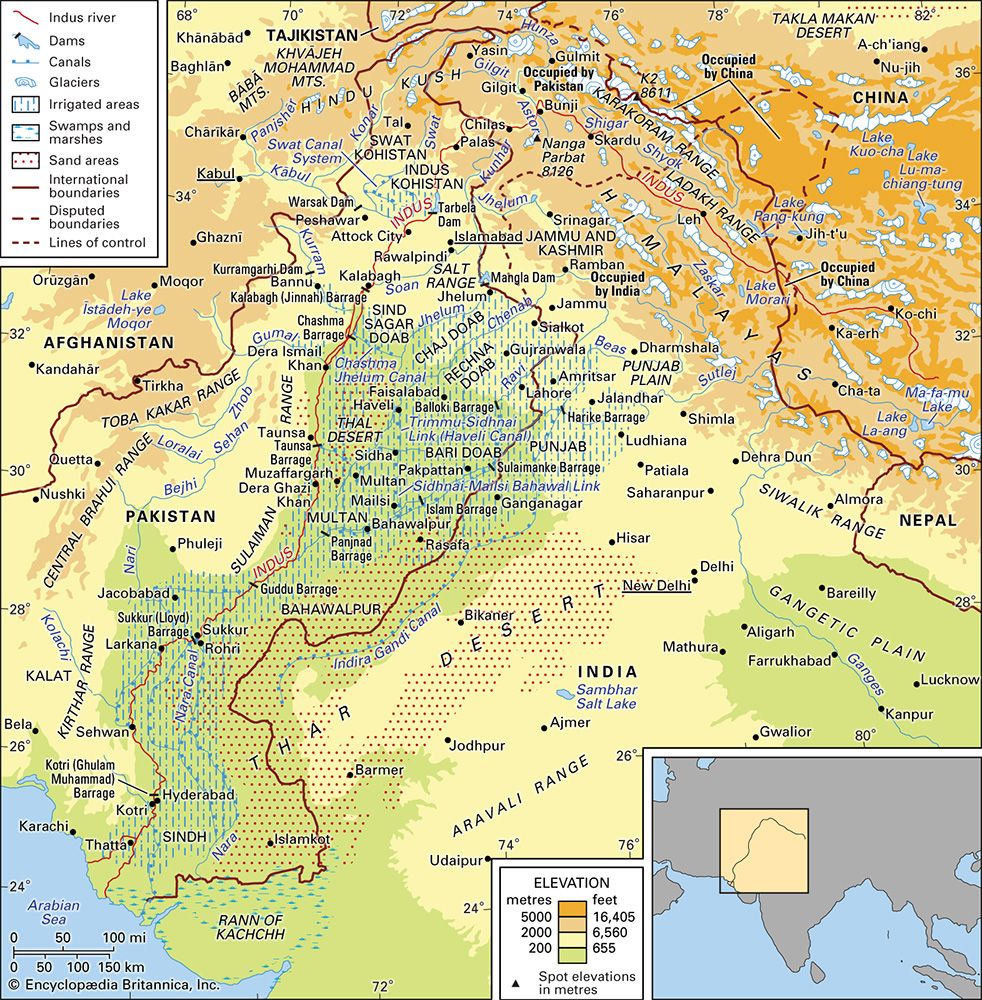
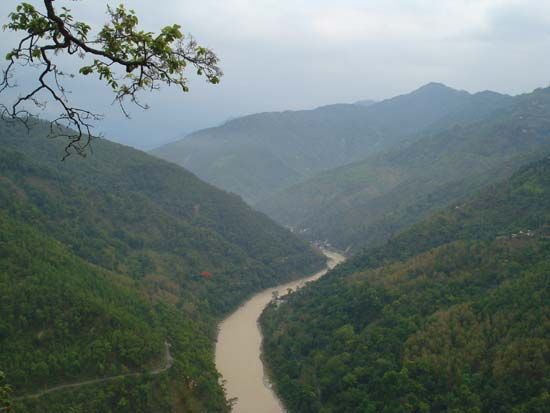
While many minor rivers in the region are forced to flow east or west through structural weaknesses before finding a path through the range, some notable rivers interact with these foothills:
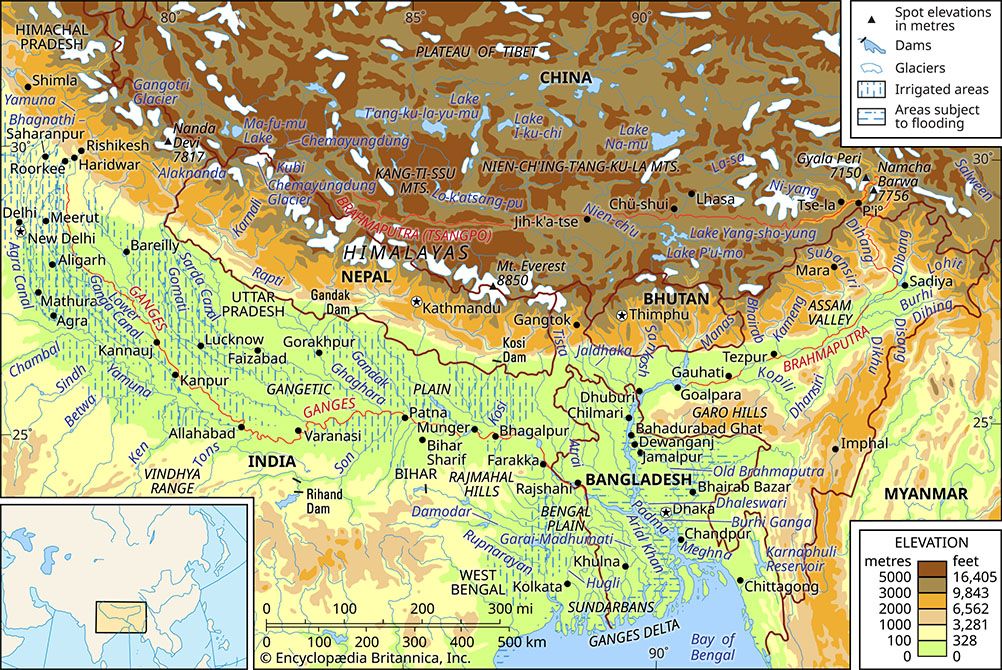
- Bagmati River: This river rises in the lowlands of Nepal and flows southward directly through the Siwalik Range before continuing across the plains into Bihar, India.2
- Seasonal Torrents (cos): Much of the range is defined by seasonal streams known as cos. These carry significant masses of sand and silt into wide, often dry streambeds that only contain water following heavy rains.1
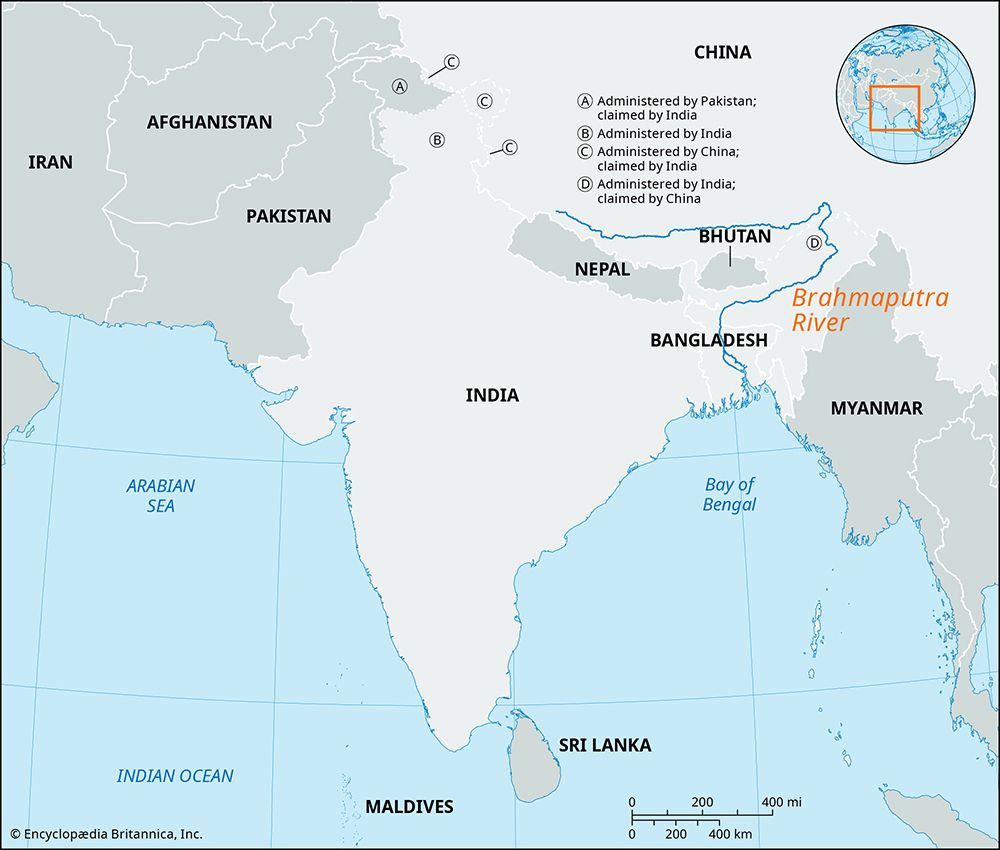
It is important to note that while major rivers like the Indus, Ganges, and Brahmaputra flow across the plains adjacent to the Siwaliks, they are not considered to originate from this range.134
How have human activities impacted the Siwalik Range ecosystem?
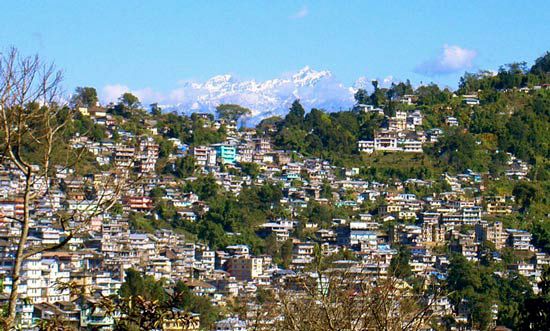
Human activities have significantly altered the ecosystem of the Siwalik Range. Over the centuries, the expansion of human settlement has led to the clearing of most of the region’s original forest cover. As a direct consequence of extensive deforestation, the native tree populations have been replaced by bush vegetation across large portions of the range.
While there have been efforts to restore the landscape through reforestation projects on hillsides and the planting of eucalyptus trees along major roads, the natural habitats for wildlife remain severely limited due to intense competition from agriculture. Despite these pressures, the Siwaliks continue to support various species, including rodents, birds, snakes, and monkeys that have adapted to the farming environment, as well as larger mammals such as jackals, leopards, wild boar, deer, civets, and pangolins that persist in the remaining wild areas.6
Are there any notable natural resources found in the Siwalik Range?
It appears there is a misunderstanding regarding the geography of the region. The Salt Range, which is famous for its vast deposits of rock salt, coal, gypsum, and other minerals, is a distinct geological feature located in the Punjab region of Pakistan. It should not be confused with the Siwalik Range, which consists of the Himalayan foothills extending through northern India and Nepal.82
The provided search results do not identify any notable natural resource extraction or significant mineral deposits within the Siwalik Range. The ecosystem of the Siwaliks is primarily characterized by its biodiversity—supporting various mammals, birds, and reptiles—and its history of land use, which has been heavily impacted by deforestation and agricultural expansion rather than industrial mining.7
What is the total length of the Siwalik Range?
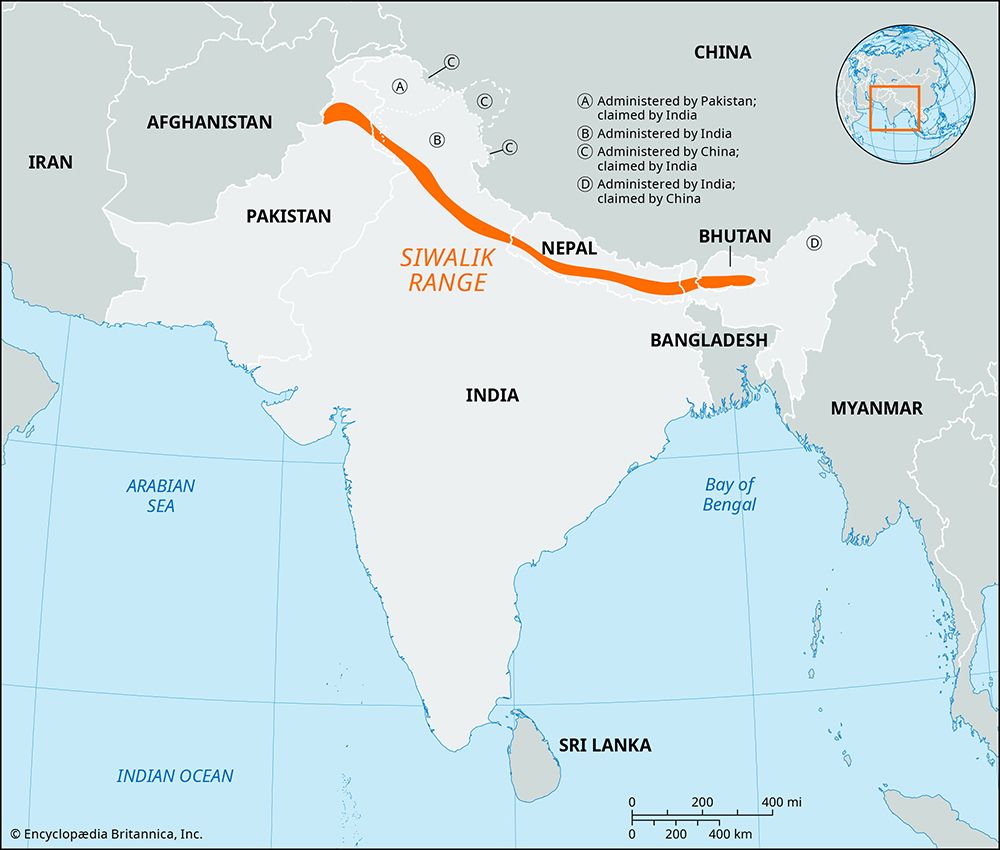
The Shivalik Range extends west-northwestward for more than 1,000 miles (1,600 km) across the northern Indian subcontinent. It stretches from the Teesta River in Sikkim, India, through Nepal and northwestern India, and into northern Pakistan.101
While the range as a whole spans this vast distance, the name “Shivalik” was historically restricted to a 200-mile (320-km) section of foothills in India, reaching from the Ganges River at Haridwar to the Beas River. Additionally, some definitions include the southern foothills of the Assam Himalayas, which extend an additional 400 miles (640 km) across southern Bhutan to the Brahmaputra River.1
Sources
- Shivalik Range — Encyclopædia Britannica
- Siwalik Range — Merriam-Webster
- Himachal Pradesh - Relief and drainage — Encyclopædia Britannica
- Bagmati River — Encyclopædia Britannica
- Himalayas - Geologic history — Encyclopædia Britannica
- Sundarbans National Park — Encyclopædia Britannica
- Punjab - Plant and animal life — Encyclopædia Britannica
- Salt Range — Encyclopædia Britannica
- South Asia - Water sharing — Encyclopædia Britannica
- Shivalik Range: Top Questions — Encyclopædia Britannica
Published on · 3 min read