Shorthair Cat Breeds
The term "domestic shorthair" refers to a breed of domestic cat that is carefully bred to meet specific show standards for appearance, distinguishing it from…
What is Shorthair Cat Breeds?
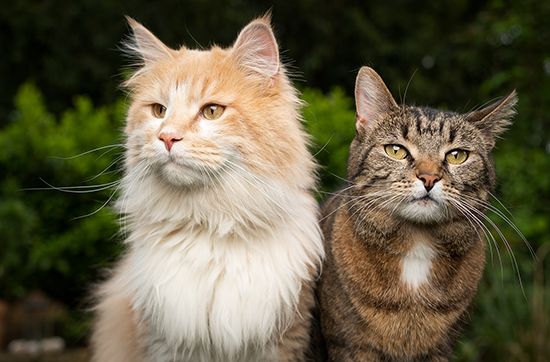
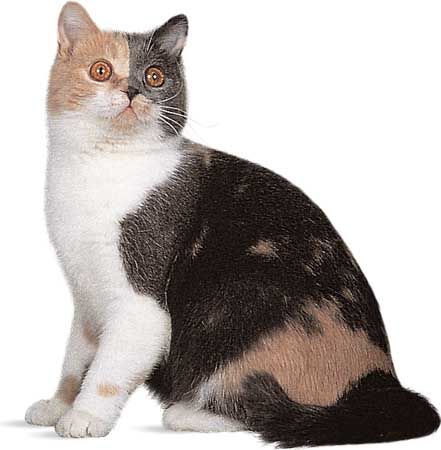
The term “domestic shorthair” refers to a breed of domestic cat that is carefully bred to meet specific show standards for appearance, distinguishing it from the common, or “alley,” cat. While common cats may resemble pedigreed shorthairs, they are not purebred and often lack the consistent physical traits of the recognized breeds.1
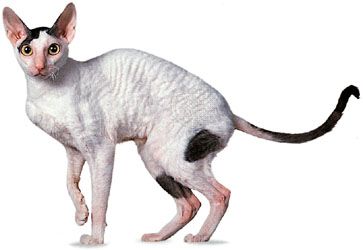
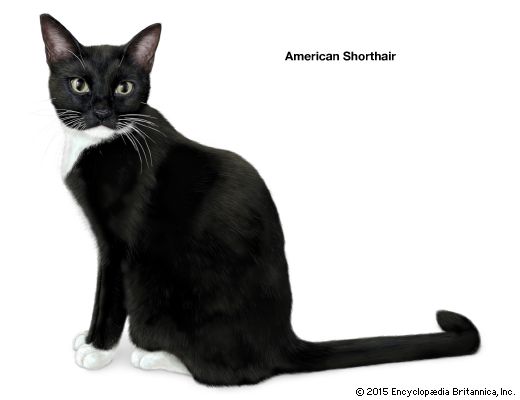
Purebred shorthairs exhibit a wide variety of characteristics, ranging from the muscular American Shorthair to the curly-coated Cornish Rex and the hairless Sphynx. Grooming requirements also vary; some breeds, such as the Siamese, have very short hair and require minimal maintenance, while others like the British Shorthair possess thicker undercoats that necessitate regular brushing to prevent matting.123
Notable shorthair breeds include:
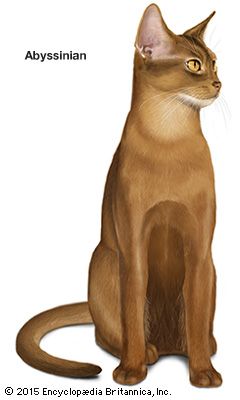
- Abyssinian: Known for a regal appearance and slender build.12
- Bengal: A spotted breed derived from a cross with the Asian leopard cat.12
- Manx: A distinctively tailless breed.12
- Russian Blue: Recognized for its plush, silver-tipped blue coat.12
How does the grooming routine for a shorthair cat differ from a longhair breed?
While all cats engage in self-grooming using their specialized tongue, the level of human assistance required varies significantly between shorthair and longhair breeds.
Shorthaired Cats
Grooming needs for shorthairs depend on their coat density. Breeds with extremely short hair and minimal undercoats, such as the Siamese, require very little maintenance and rarely suffer from matting. They generally only need regular grooming during seasonal shedding periods in the spring and fall. Conversely, shorthairs with thicker, medium-length coats—such as the British Shorthair or Chartreux—require consistent, year-round brushing to prevent the formation of mats.3
Longhaired Cats
Longhairs possess dense, cottony, or curly coats that are highly prone to tangles and mats, particularly in areas like the belly, under the arms, and behind the legs. Breeds such as the Persian, Maine Coon, and Norwegian Forest Cat often require daily or near-daily combing with stainless steel tools to maintain coat health.87
What are some common physical traits that distinguish purebred shorthairs from domestic alley cats?
While common, or “alley,” cats may share a similar appearance with purebred shorthairs, they are not the same. The primary distinction lies in the fact that purebred shorthairs are pedigreed animals, carefully bred to conform to specific, written breed standards that define their ideal physical attributes.
In contrast, common cats are typically random-bred and represent a combination of various genetic backgrounds. Consequently, they often display significant variation in their build and coat, whereas a purebred shorthair is expected to maintain consistent, predictable traits. For example, the domestic shorthair breed standard requires a sturdily built body, strong-boned legs, and a round head with round eyes and ears that are rounded at the tips.
Because common cats lack this selective breeding history, they do not adhere to these uniform conformation requirements. While they may resemble a pedigreed cat, they lack the genetic consistency that defines a recognized breed.
Why do some shorthair breeds like the Manx or Scottish Fold have unique physical features?
The unique physical features of breeds like the Manx and Scottish Fold are the result of specific genetic mutations that have been intentionally selected and reinforced by breeders.101112
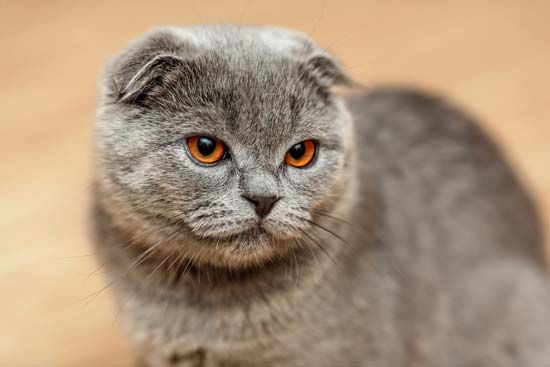
- Scottish Fold: This breed is defined by ears that fold forward and down, a trait originating from a natural mutation in a cat named Susie. However, this same gene is linked to osteochondrodysplasia, a cartilage and bone disorder that can cause joint pain, arthritis, and lameness.10612
- Manx: These cats are characterized by their taillessness, which is caused by a specific gene. This mutation is frequently associated with Manx Syndrome, a condition that can lead to serious health issues, including spinal defects, neurological problems, and incontinence.6
It is important to recognize that while these traits are considered desirable for show standards, they often carry significant health risks. Ethical breeding practices are essential to mitigate these consequences; for instance, experts often recommend against breeding two cats with these mutations to avoid severe congenital defects.6131
Sources
- domestic shorthair — Encyclopædia Britannica
- cat - List of selected shorthair breeds — Encyclopædia Britannica
- cats as pets - Shorthaired cats — Encyclopædia Britannica
- longhair — Encyclopædia Britannica
- cat - List of selected longhair breeds — Encyclopædia Britannica
- Shorthair Cat Breeds — Encyclopædia Britannica
- cats as pets - Grooming cats — Encyclopædia Britannica
- cats as pets - Longhaired cats — Encyclopædia Britannica
- cat - Breed origins — Encyclopædia Britannica
- Scottish fold cat — Encyclopædia Britannica
- Dwarfism in Cats: It’s Only Cute ‘til Someone Gets Hurt — Encyclopædia Britannica
- Why do Sphynx cats appear hairless? — Encyclopædia Britannica
- cat - Mutation and new breeds — Encyclopædia Britannica
Published on · 3 min read