Steer
The term "steer" has two primary meanings depending on the context:
What is Steer?
The term “steer” has two primary meanings depending on the context:
Animal Husbandry
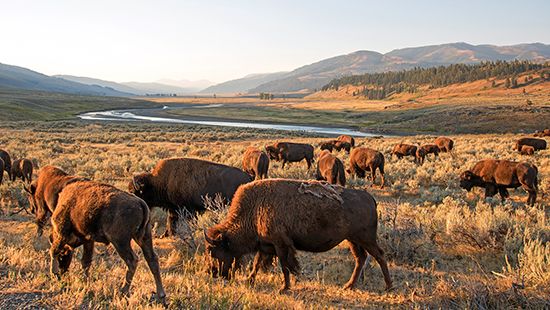
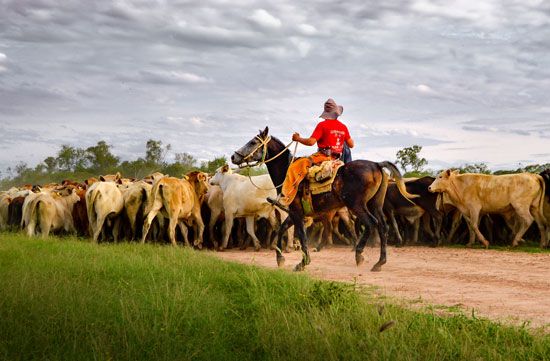
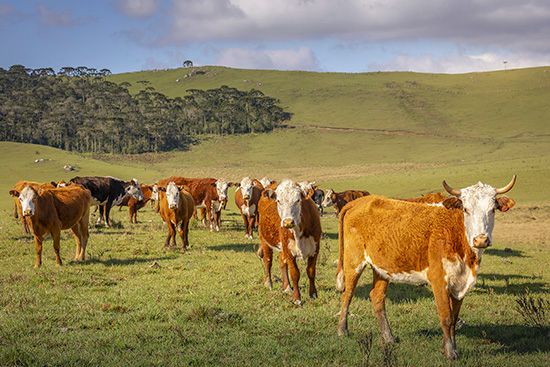
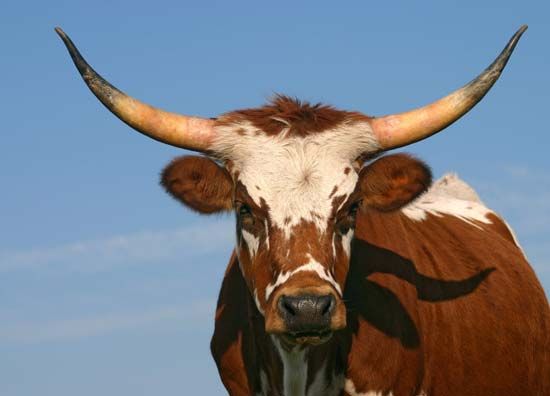
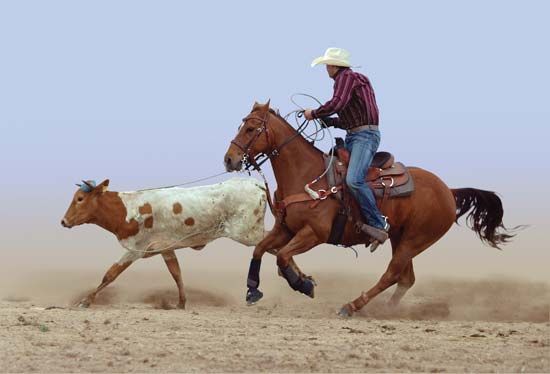
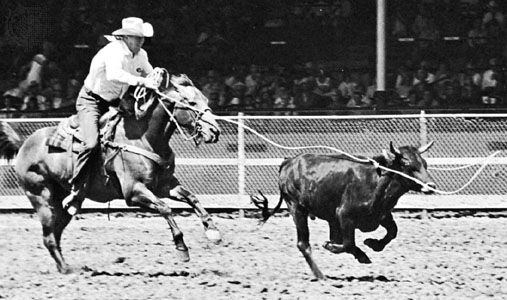
A steer is a young, neutered male bovine primarily raised for beef production. Male cattle are castrated to make them more docile for handling on the range or in feedlots. While most are raised for meat, they are also a source of leather and are sometimes used in rodeo events, such as steer wrestling and steer roping.1
Mechanical and Navigational Control
As a verb, to steer means to control the course or direction of a vehicle, ship, or other moving object. In automotive design, steering is achieved through a system of gears and linkages that transmit the motion of the steering wheel to the front wheels. To improve driver comfort and maneuverability, many modern vehicles utilize power steering, which uses hydraulic, electrical, or mechanical systems to reduce the physical effort required to turn the wheels.234
How does a steering system in a car work?
A car’s steering system is a mechanical assembly designed to transmit the motion of the steering wheel to the front wheels, allowing the driver to control the vehicle’s direction.
Core Mechanics
At the base of the steering column lies a gear mechanism—often a worm-and-nut, cam-and-lever, or rack-and-pinion system. When the driver turns the steering wheel, this mechanism rotates a shaft with a crank arm, which then moves tie rods attached to the wheel hubs. The geometry of this linkage is specifically designed to ensure the inner wheel turns at a sharper angle than the outer wheel during cornering.54
Power Steering
As vehicles became heavier, the physical effort required to turn the wheels increased. To assist the driver, power steering systems were developed. These systems use a pump driven by the engine to pressurize hydraulic fluid. When the steering wheel moves, a valve directs this fluid to act on a piston, providing a boost that amplifies the torque applied by the driver. Modern systems may also be speed-sensitive, adjusting the steering ratio to provide easier handling at low speeds and greater stability at high speeds.65
What is the difference between a bull, a steer, and an ox?
The primary differences between a bull, a steer, and an ox relate to their reproductive status and their intended use in agriculture.
- Bull: A bull is a mature, uncastrated male of domesticated cattle. Because they are intact, they retain their natural hormones and are typically more aggressive than castrated males.81
- Steer: A steer is a young male that has been castrated. Castration is performed to reduce aggressive tendencies, making the animal more docile and easier to manage on the range or in feedlots. Steers are primarily raised for beef production.91
- Ox: An ox is an adult castrated male that has been trained for draft work. While the term is sometimes used broadly, it specifically refers to these animals when they are used to pull heavy loads, such as plows or carts. Like steers, they are castrated to ensure they are tractable and manageable while working.101
What are some common breeds of beef cattle?
There are many breeds of beef cattle developed globally, each with distinct characteristics suited to different climates and production goals. Below are some of the most prominent breeds:
Name
Origin
Characteristics
Angus
Scotland
Hornless, black, compact, and low-set; known for high-quality, marbled meat.
Brahman
India
Gray with a large shoulder hump; highly heat-resistant and extensively used for crossbreeding.
Charolais
France
Unusually large and white; originally used for draft, now primarily for beef and crossbreeding.
Hereford
England
Red and white (whiteface); low-set, compact, and known for thriving in adverse conditions.
Shorthorn
England
Red or roan; can be horned or hornless; noted for rapid maturity.
Simmental
Switzerland
Large, red and white, and horned; widely used in crossbreeding programs.
Santa Gertrudis
United States
Deep red and horned; a crossbreed of 3/8 Brahman and 5/8 Shorthorn.
Brangus
United States
Large, black, and hornless; a crossbreed of 3/8 Brahman and 5/8 Angus.
Other notable breeds include the Belgian Blue, known for its prominent musculature, and the Chianina, which is recognized as the largest breed of cattle.1315
Sources
- Steer — Encyclopædia Britannica
- steer — Merriam-Webster
- steer — Merriam-Webster
- automobile - Steering — Encyclopædia Britannica
- power steering — Encyclopædia Britannica
- rack and pinion — Encyclopædia Britannica
- steering column — Merriam-Webster
- Bull — Encyclopædia Britannica
- Draft animal — Encyclopædia Britannica
- Ox — Encyclopædia Britannica
- castration — Encyclopædia Britannica
- Cow — Encyclopædia Britannica
- Cow - Beef cattle breeds — Encyclopædia Britannica
- Angus — Encyclopædia Britannica
- Hereford — Encyclopædia Britannica
- Beef cattle breeds — Encyclopædia Britannica
- Charolais — Encyclopædia Britannica
- Charolais — Merriam-Webster
Published on · 3 min read