Stonechat
The stonechat (Saxicola torquatus) is an Old World thrush belonging to the family Muscicapidae and the order Passeriformes. It derives its name from its…
What is Stonechat?
The stonechat (Saxicola torquatus) is an Old World thrush belonging to the family Muscicapidae and the order Passeriformes. It derives its name from its distinctive call, which is often described as sounding like two pebbles being clicked together.12
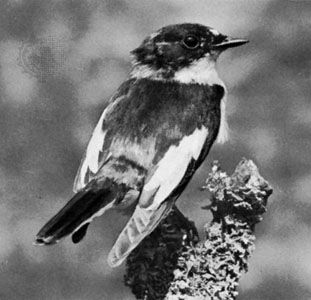
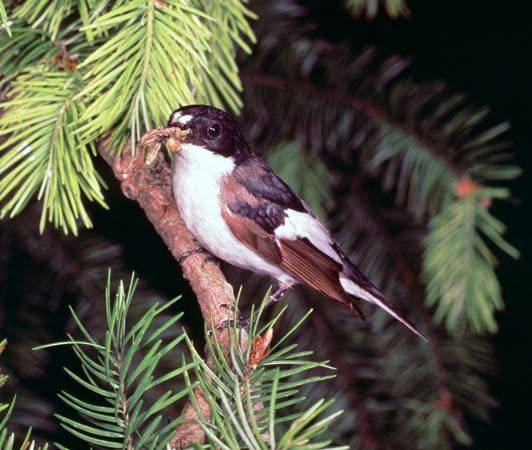
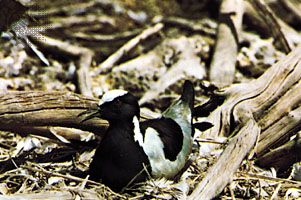
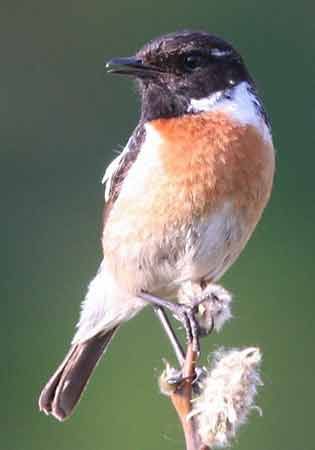
Measuring approximately 13 cm (5 inches) in length, the species exhibits sexual dimorphism: males are characterized by black upperparts, a white neck patch, and a reddish smudge on their white underparts, while females are brownish with a dark hood. These birds are ground nesters with flycatcher-like habits and are typically found in coastal wastelands and overgrown pastures.1
Why is the stonechat classified as a thrush?
The stonechat is classified as a thrush because it belongs to the subfamily Turdinae, which is categorized within the broader family Muscicapidae.33
It is important to note that this classification is part of a broader, often debated taxonomic framework. While some authorities group thrushes, Old World flycatchers, and other groups under the expansive Muscicapidae family, these subfamilies are frequently ranked as separate, independent families by other experts. Because muscicapid taxonomy is controversial and lacks a single, universally useful character to define the entire group, the placement of the stonechat within the thrush subfamily reflects this broader, inclusive classification system.1
We could dive deeper into the complexities of avian taxonomy or explore the specific characteristics that distinguish the Turdinae subfamily from other songbirds.
What other birds belong to the Muscicapidae family?
The classification of the Muscicapidae family is a subject of ongoing taxonomic debate, as its composition varies significantly depending on whether it is defined in a “narrow” or “broad” sense.3
Narrow Classification
When considered in the narrow sense, the family primarily includes:
- Old World Flycatchers (subfamily Muscicapinae): This group includes typical flycatchers such as the spotted flycatcher (Muscicapa striata), the pied flycatcher (M. hypoleuca), Tickell’s blue flycatcher (M. tickelliae), the narcissus flycatcher (M. narcissina), and the dusky flycatcher (Alseonax adustus).34
- Wattle-eyes (subfamily Platysteirinae): Also known as puffback flycatchers.34
Broad Classification
Many taxonomists expand the family to include several other groups, though these are frequently treated as independent families in other systems:34
- Thrushes (subfamily Turdinae): Includes various terrestrial species, chats, and wheatears.35
- Old World Warblers (subfamily Sylviinae): A group often associated with babblers.3
- Babblers (subfamily Timaliinae): Sometimes grouped with warblers.3
- Monarch and Paradise Flycatchers (subfamily Monarchinae) and Fantailed Flycatchers (subfamily Rhipidurinae) are also included in some broader classification systems.4
How do ground-nesting birds protect their eggs from predators?
Ground-nesting birds employ a variety of behavioral and physical strategies to protect their eggs and young from predators. Because their nests are often exposed, these birds rely on concealment, distraction, and active defense to ensure survival.
Concealment and Nest Maintenance
- Camouflage: Many species, such as plovers, possess cryptic coloration that allows them to blend into their surroundings while incubating. Similarly, eggs are often colored to match the ground, providing natural camouflage.6
- Eggshell Removal: After hatching, many birds—such as black-headed gulls—promptly remove the conspicuous, white-lined eggshells from the nest area. This prevents the shells from attracting predators like crows or other gulls to the vulnerable brood.78
- Covering the Nest: Some species, including many waterfowl, line their nests with down feathers plucked from the female’s breast. This down is pulled over the eggs when the female leaves the nest, keeping them warm and hidden from sight.9
Distraction and Defense
- Injury-Feigning Displays: A common antipredatory behavior is the “broken-wing” display. When a predator approaches, the parent may flutter along the ground as if injured, luring the predator away from the nest site.9106
- Alarm Signals: Parents often use specific alarm calls to warn their chicks of danger, which prompts the young to crouch and remain still, making them harder to detect.6
- Aggressive Defense: Some birds, such as jacanas, actively attack other species that venture too close to their nesting territory.6
Sources
- Stonechat — Encyclopædia Britannica
- stonechat — Merriam-Webster
- Muscicapidae — Encyclopædia Britannica
- Flycatcher — Encyclopædia Britannica
- Passeriform - Critical appraisal — Encyclopædia Britannica
- Reproductive behaviour - Parental care — Encyclopædia Britannica
- Animal behaviour - Natural selection in action — Encyclopædia Britannica
- Anseriform - Reproductive behaviour — Encyclopædia Britannica
- Common yellowthroat: Top Questions — Encyclopædia Britannica
- Display behaviour — Encyclopædia Britannica
- Charadriiform - Shorebirds (suborder Charadrii) — Encyclopædia Britannica
- Great tit: Top Questions — Encyclopædia Britannica
Published on · 3 min read