Sulu Sea
The Sulu Sea is a portion of the western North Pacific Ocean located in Southeast Asia. It is bounded by the Philippines to the north, east, and southeast…
Where is the Sulu Sea located, and what countries border it?
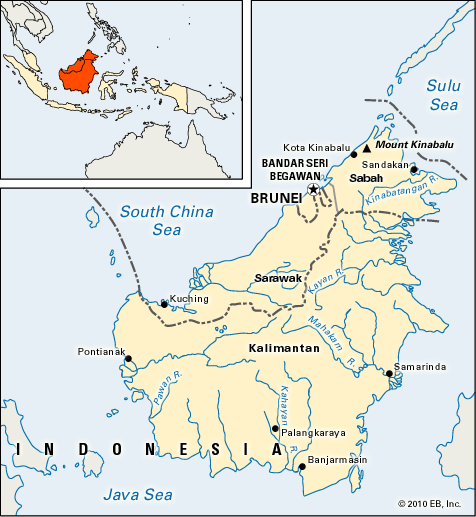
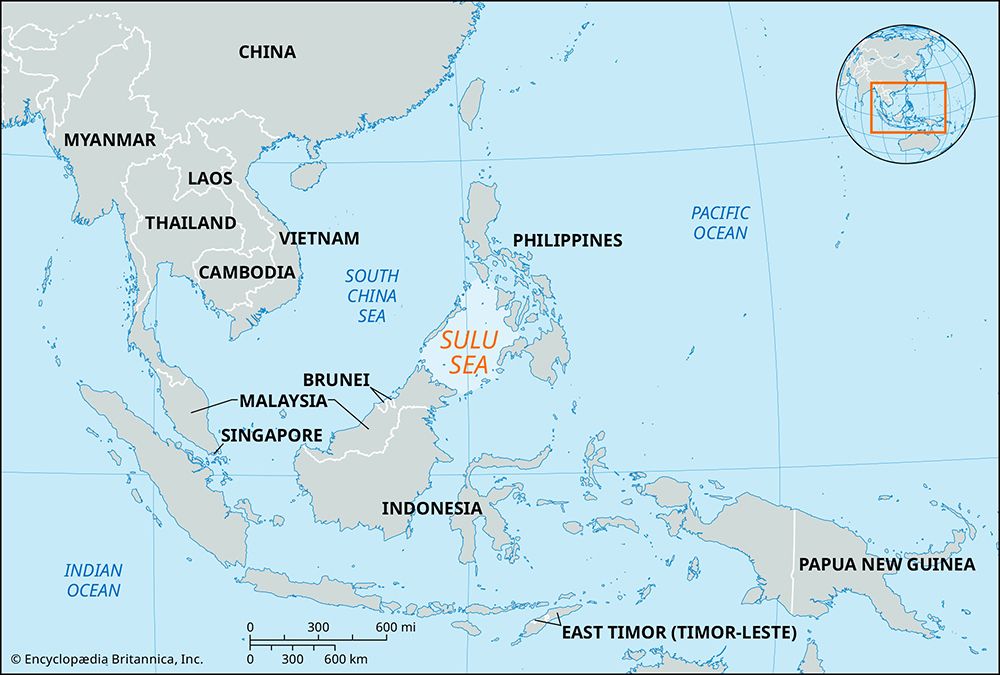
The Sulu Sea is a portion of the western North Pacific Ocean located in Southeast Asia. It is bounded by the Philippines to the north, east, and southeast, and by northeastern Borneo to the southwest.1
Specifically, the sea is bordered by the following regions:
- Philippines: The southwestern islands, including Palawan, Mindoro, Panay, Negros, Mindanao, and the Sulu Archipelago.1
- Malaysia: The northeastern coast of Borneo, specifically the state of Sabah, borders the sea to the southwest.12
The sea is known for its significant marine biodiversity, including the Tubbataha Reefs, and has historically served as a vital region for interisland trade and maritime resources.1
What are some of the important marine species found in the Sulu Sea?
The Sulu Sea is renowned for its exceptional marine biodiversity, particularly within the Tubbataha Reefs, which are protected as a UNESCO World Heritage site due to their rich variety of life.1
The region supports a wide array of marine species and resources that have historically sustained local economies. Important marine life and products include:
- Shells and Pearls: The area is well-known for its pearl beds, as well as the harvesting of mother-of-pearl and button shells.12
- Sea Cucumbers: Known locally as bèche-de-mer or trepang, these are a significant marine resource.12
- Sharks: Shark fins are among the marine products harvested in the region.12
- Sea Turtles: The Turtle Islands serve as a center for turtle fisheries, with both turtle eggs and shells being historically significant.12
- Sponges and Coral: The diverse reef ecosystems support various sponges and coral species, which are central to the sea’s ecological health.12
What is the average depth and size of the Sulu Sea?
The Sulu Sea covers a surface area of approximately 100,000 square miles (260,000 square km). It is a downfaulted block that reaches depths of nearly 18,400 feet (5,600 meters) in some areas.1
How has maritime trade historically impacted the Sulu Sea region?
Historically, the Sulu Sea region served as a vital meeting ground for a diverse array of maritime actors, including sea traders, fishermen, and those involved in the exchange of marine resources like pearls, mother-of-pearl, button shells, shark fins, and sea cucumbers (bèche-de-mer). This vibrant trade network was central to the region’s economy, though it also facilitated less formal activities, including piracy and the slave trade.21
The strategic nature of the archipelago—with its numerous hidden coves and passages—historically allowed the local Moro population to maintain a high degree of political and cultural independence, often resisting external colonial control. While punitive campaigns by Spanish and U.S. forces eventually curtailed the power of regional pirates, the legacy of these maritime routes persists today. Modern maritime activity in the region remains characterized by interisland trade, though the area also continues to face challenges related to illegal trade and smuggling, as small craft frequently transport goods between Sabah, Luzon, and Mindanao.21
Sources
- Sulu Sea — Encyclopædia Britannica
- Sulu Archipelago — Encyclopædia Britannica
- Solomon Sea — Encyclopædia Britannica
Published on · 2 min read