Sweetbrier
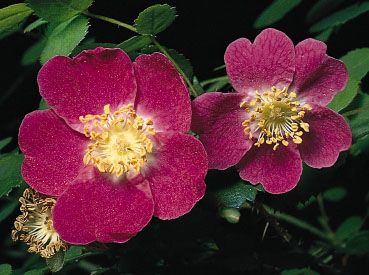
The sweetbrier (Rosa eglanteria or R. rubiginosa), also known as eglantine, holds a notable place in literary history. It has been frequently referenced in…
Are there any cultural or historical significances associated with sweetbrier?
The sweetbrier (Rosa eglanteria or R. rubiginosa), also known as eglantine, holds a notable place in literary history. It has been frequently referenced in the works of English poets, appearing in writings from the time of Geoffrey Chaucer onward.1
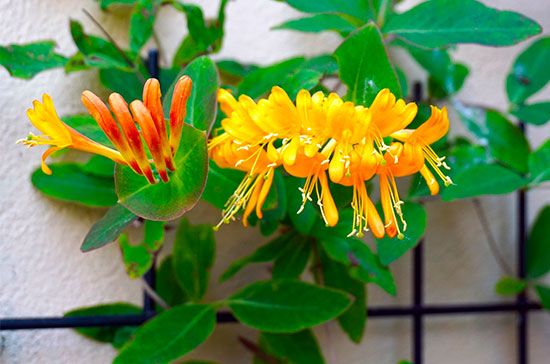
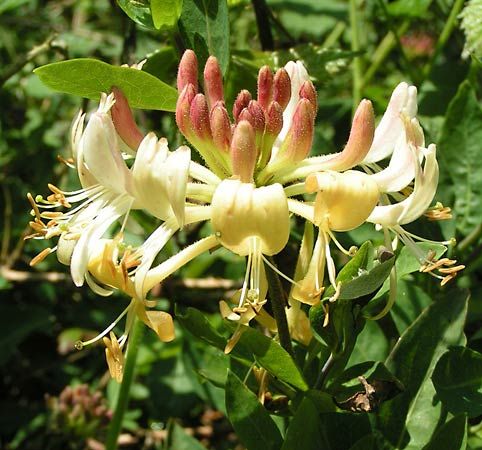
In John Milton’s poem L’Allegro, the phrase “twisted eglantine” is famously used, though scholars believe he was likely referring to the woodbine honeysuckle. Interestingly, this association persists in parts of northeastern Yorkshire, where the term eglantine is still used to describe that plant. Beyond its literary presence, the sweetbrier is a prickly wild rose native to Europe and western Asia, valued for its fragrant foliage and small pink flowers.1
How does sweetbrier differ from other types of roses?
Sweetbrier (Rosa eglanteria or R. rubiginosa) is a distinct wild rose that differs from many modern garden varieties in several key ways:
- Physical Characteristics: Unlike the large, symmetrical blossoms of hybrid tea roses, the sweetbrier is a small, prickly wild shrub that typically reaches about 2 meters (6 feet) in height. It produces numerous small pink flowers rather than the large, showy blooms found in cultivated classes.
- Fragrance: While many roses are prized for the scent of their petals, the sweetbrier is notable for its fragrant foliage.
- Purpose and Cultivation: Most modern roses are bred specifically for their ornamental flowers. In contrast, the sweetbrier is often utilized as a screening shrub. While it is not considered especially ornamental on its own, it has been used in breeding programs, such as the Penzance hybrids, which were created by crossing it with the Austrian briar (R. foetida).
- Naturalization: Native to Europe and western Asia, the sweetbrier has become widely naturalized in North America, where it frequently grows in wilder settings like pastures and along roadsides.
How has sweetbrier been used in literature and art throughout history?
The sweetbrier, also known as eglantine, has maintained a consistent presence in English literature for centuries. Its literary history dates back to the works of Geoffrey Chaucer, and it has been referenced by numerous poets throughout the centuries.1
Perhaps the most famous literary mention occurs in John Milton’s poem L’Allegro, where he describes the “twisted eglantine.” However, scholars generally believe that Milton was not referring to the rose itself, but rather to the woodbine honeysuckle. This specific interpretation is supported by the fact that the term “eglantine” is still used to identify the woodbine honeysuckle in parts of northeastern Yorkshire today. While the plant is well-documented in poetic tradition, it is primarily recognized for its fragrant foliage and wild, prickly nature rather than as a central subject in visual art history.14
How can sweetbrier be cultivated in home gardens, and what care does it require?
While the provided search results confirm that sweetbrier (Rosa eglanteria) is a wild, prickly shrub native to Europe and western Asia that has naturalized in North America, they do not contain specific horticultural instructions for its cultivation or care in home gardens.
In general, horticulture practices for plant propagation involve either sexual methods, such as sowing seed in porous, well-draining media, or asexual methods like cutting, layering, and grafting. However, because specific requirements for the sweetbrier—such as its preferred soil pH, light exposure, or pruning needs—are not detailed in the available data, I cannot provide a reliable guide for its maintenance.
Sources
- sweetbrier — Encyclopædia Britannica
- rose — Encyclopædia Britannica
- Rosales - Ornamental species — Encyclopædia Britannica
- sweetbriar — Merriam-Webster
- Propagation — Encyclopædia Britannica
Published on · 2 min read