Brier
Brier (also spelled briar) is a general term used to describe any plant characterized by a woody, thorny, or prickly stem. This category includes various…
What is Brier?
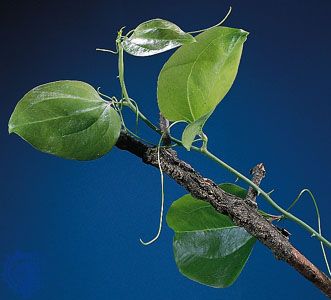
Brier (also spelled briar) is a general term used to describe any plant characterized by a woody, thorny, or prickly stem. This category includes various genera such as Rosa, Rubus, Smilax, and Erica.123
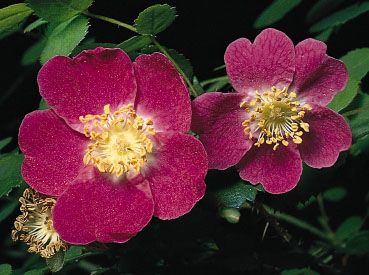
The term can refer to individual plants, a dense thicket of such vegetation, or even a single branch or twig. Specific examples include the sweetbrier, a wild rose known for its fragrant foliage and pink flowers. Additionally, the roots and knotted stems of the white or tree heath (Erica arborea) are highly valued for crafting tobacco pipes, often referred to as briarwood or French brier.23415
The word has deep linguistic roots, appearing in English before the 12th century, and remains a common descriptor for prickly, tangled undergrowth in natural landscapes.23
How is briarwood harvested for pipe making?
Briarwood, the most highly regarded material for crafting tobacco pipes, is derived from the woody root outgrowth of the Mediterranean heath shrub, Erica arborea.67
While the provided search results confirm that briarwood is the root of this specific heath species, they do not detail the specific harvesting process used to extract it from the ground. Generally, this process involves carefully digging up the large, dense root burls, which are then cleaned, boiled, and aged for several years to ensure the wood is stable and heat-resistant before it can be carved into a pipe bowl.67
What are the differences between wild roses and other thorny shrubs?
While both wild roses and other thorny shrubs are often categorized as “briers” or “thornbushes” due to their defensive structures, they belong to distinct botanical classifications and exhibit different physical traits.
Botanical Classification
Wild roses belong to the genus Rosa within the Rosaceae family. This family is vast, containing approximately 2,500 species, including other thorny plants like the genus Rubus (blackberries and raspberries). In contrast, the term “thornbush” is a general descriptor for various spiny or thorny shrubs or small trees that may belong to entirely different, unrelated plant families depending on the region and species.
Physical Characteristics
- Defensive Structures: Roses are typically armed with prickles, which are often colloquially called thorns. Other thorny shrubs may possess true thorns (modified branches) or spines (modified leaves), which are structurally different from the prickles found on roses.
- Flowers and Fruit: Wild roses are characterized by their radially symmetric flowers, which typically feature five petals and produce a fleshy, berrylike fruit known as a rose hip. Other thorny shrubs vary significantly in their reproductive structures; for example, Rubus species produce drupelets, while other unrelated thornbushes may produce entirely different types of fruit or seeds.
- Growth Habit: Roses are generally erect, climbing, or trailing shrubs with pinnately compound leaves. Other thorny shrubs, such as those found in dry tropical regions, may have a much more tangled, irregular, or low-growing appearance.
Why do some plants evolve thorns and prickles?
Plants have evolved structural defenses like thorns, spines, and prickles primarily as a means of protection against herbivory—the consumption of plant tissues by animals. While these structures are often grouped together, they serve as a critical physical barrier that discourages browsing by both large mammals and smaller insects.1314
The evolution of these features is a response to the constant pressure plants face from various herbivores. Their specific functions include:13
- Deterrence: Thorns (modified branches or stems), spines (modified leaves), and prickles (epidermal outgrowths) act as physical deterrents that make it difficult or painful for animals to feed on the plant.1415
- Protection of Resources: In species like cacti, spines not only defend juicy, water-rich stems from hungry herbivores but also provide shade, helping the plant survive in harsh, sun-exposed environments.14
- Specialized Defense: Some plants, such as certain acacia trees, have evolved hollow thorns that house aggressive ants. This mutualistic relationship provides the plant with a mobile defense force that actively protects it from encroaching threats.14
Sources
- Brier — Encyclopædia Britannica
- sweetbrier — Encyclopædia Britannica
- brier — Merriam-Webster
- briar — Merriam-Webster
- French brier — Merriam-Webster
- briar — Merriam-Webster
- pipe — Encyclopædia Britannica
- Rosaceae — Encyclopædia Britannica
- wild rose — Merriam-Webster
- rose — Encyclopædia Britannica
- thornbush — Merriam-Webster
- thorny — Merriam-Webster
- Eating the rainforest — Encyclopædia Britannica
- Botanical Barbarity: 9 Plant Defense Mechanisms — Encyclopædia Britannica
- rose: Top Questions — Encyclopædia Britannica
- prickle — Merriam-Webster
Published on · 3 min read