Talapoin
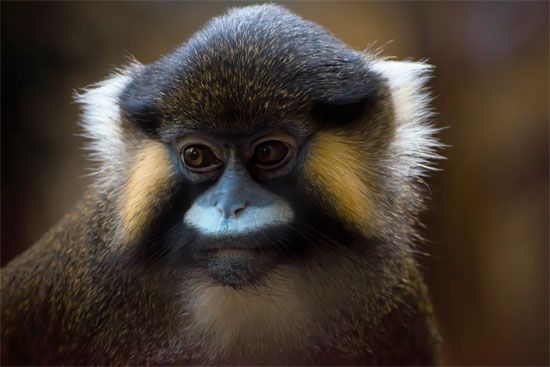
Talapoin monkeys (genus Miopithecus) are closely related to guenons (genus Cercopithecus), but they are distinguished by several key biological and…
How long do talapoin monkeys typically live in the wild and in captivity?
How do talapoin monkeys differ from other species of guenons?
Talapoin monkeys (genus Miopithecus) are closely related to guenons (genus Cercopithecus), but they are distinguished by several key biological and behavioral differences that justify their classification into a separate genus.12
Key Differences
- Size: Talapoins are the smallest of all Old World monkeys, weighing less than 2 kg (4.4 pounds). In contrast, guenons are generally larger, with some species weighing between 2.3 kg and 7 kg.12
- Reproductive Physiology: A primary taxonomic distinction is the development of sexual swellings in female talapoins during estrus, a trait not characteristic of the Cercopithecus genus.1
- Social Structure: Talapoins live in exceptionally large troops, typically ranging from 50 to 100 individuals, and sometimes exceeding 100 near human settlements. Most guenon species live in smaller, territorial groups consisting of females and young with a single adult male.12
- Habitat and Behavior: Talapoins are specifically adapted to swamp forests and are noted for their ability to swim away when threatened.1
Where are talapoin monkeys found in the wild?
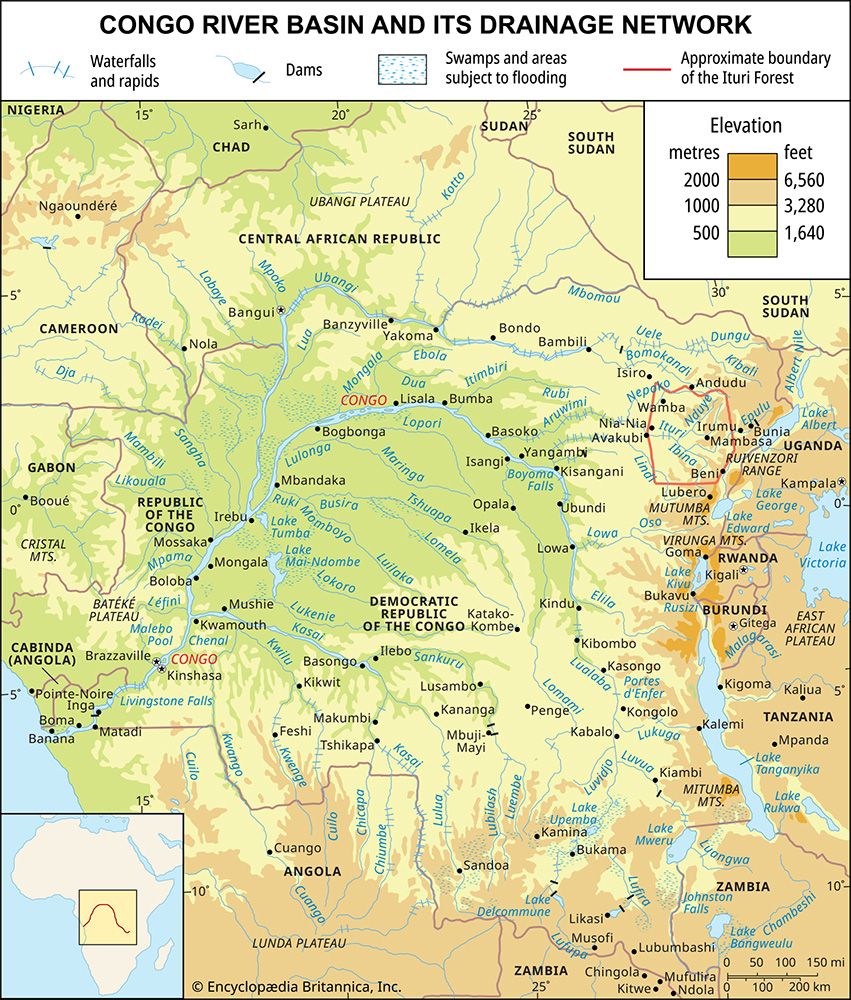
Talapoin monkeys (genus Miopithecus) are found in swamp forests located along the lower Congo River and its neighboring river systems.1
Their distribution is divided between two distinct species:
- M. talapoin: Found south and east of the river, specifically within Angola and the Democratic Republic of the Congo.1
- M. ogouensis: Found north and west of the river, inhabiting the Republic of the Congo and Gabon.1
These primates are highly adapted to their aquatic environments, often sleeping in trees along watercourses and swimming away when threatened.1
Are there any cultural or mythological references to talapoin monkeys in the regions where they live?
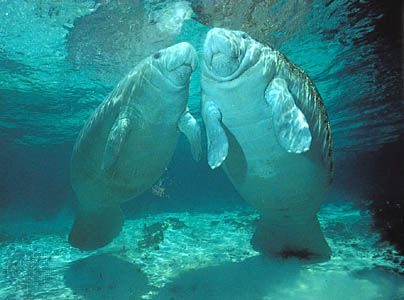
There is no evidence in the provided knowledge base of specific cultural or mythological significance attributed to talapoin monkeys by the indigenous peoples of the regions they inhabit. While other animals in the Congo region, such as the manatee, have inspired local legends—including associations with the figure of Mami Wata—the talapoin monkey is not linked to such folklore in the available records.1
It is important to note that the name “talapoin” itself does not originate from the regions where these monkeys live. The term is derived from the French talapoin, which was borrowed from the Portuguese talapão and ultimately from the Mon language tala poi, meaning “our lord.” This name was applied to the monkey due to a perceived physical resemblance to a Buddhist monk, rather than any local cultural or religious association.3
Sources
- talapoin — Encyclopædia Britannica
- guenon — Encyclopædia Britannica
- talapoin — Merriam-Webster
- sacred monkey — Merriam-Webster
- Salonga National Park — Encyclopædia Britannica
- Democratic Republic of the Congo - Plant and animal life — Encyclopædia Britannica
- Congo River - Animal life — Encyclopædia Britannica
Published on · 2 min read