The Naked Mole Rat’s Latest Superpower
The naked mole rat (Heterocephalus glaber) is famous for its longevity, resistance to cancer, and pain tolerance, but its "latest" identified superpower is…
What is The Naked Mole Rat’s Latest Superpower?
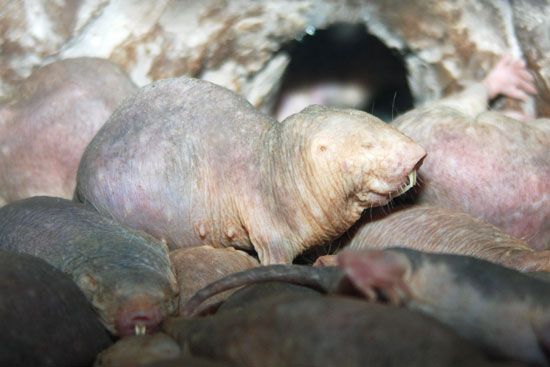
The naked mole rat (Heterocephalus glaber) is famous for its longevity, resistance to cancer, and pain tolerance, but its “latest” identified superpower is the ability to survive in low-oxygen environments, such as those found in their underground burrows.1
While most mammals suffer brain cell death quickly without oxygen because they rely on glucose and glycolysis to fuel their cells, naked mole rats have evolved a unique metabolic adaptation. When oxygen levels drop, they can switch to a modified pathway that utilizes fructose and sucrose as energy sources. They possess a specialized transporter molecule called GLUT-5 that allows fructose to enter the energy-producing process even in the absence of oxygen, enabling them to survive for more than 18 minutes without it.1
This discovery complements their previously known resistance to tumors, which is attributed to the presence of “supersized” hyaluronan molecules that prevent cells from clumping together.21
What does it mean for an animal to be eusocial?
To be considered eusocial, an animal species must live in multigenerational family groups characterized by three primary traits:
- Cooperative brood care: Individuals work together to care for the young, often assisting a single or very few reproductive members.45
- Reproductive division of labor: The society is segregated into castes, where most individuals (workers) forgo their own reproduction to support the colony. These workers may be permanently sterile or functionally limited in their ability to breed.45
- Overlap of generations: Multiple generations of offspring live together within the colony, allowing mature offspring to assist in the rearing of younger siblings.45
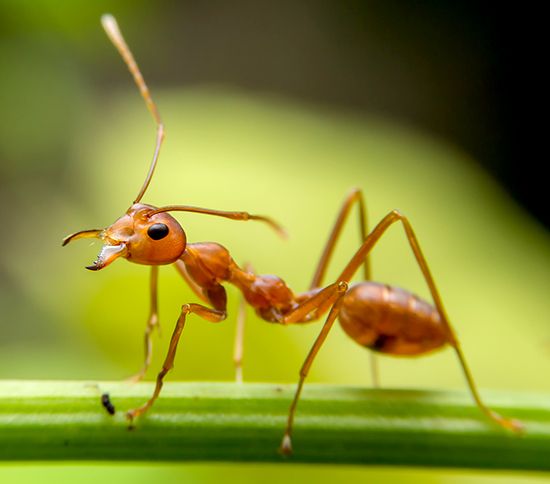
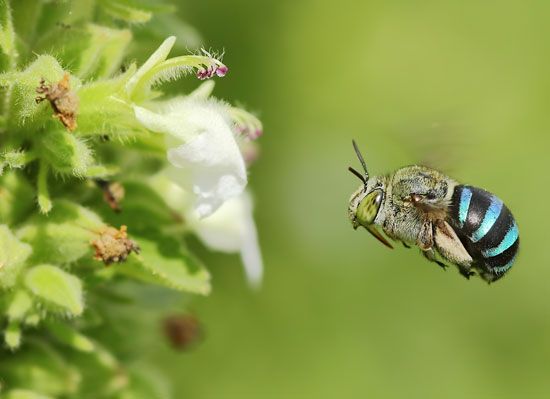
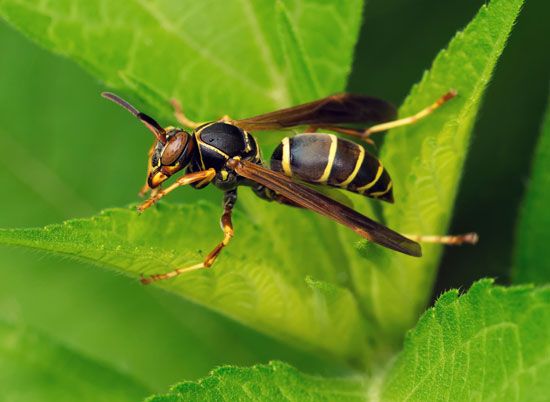
This social structure is most common among insects, such as ants, bees, wasps, and termites. While cooperative breeding exists in many vertebrates, blesmols—specifically the naked mole rat and the Damaraland mole rat—are the only known vertebrates that exhibit true eusocial behavior.4
How do naked mole rats survive without oxygen for so long?
Naked mole rats survive in low-oxygen environments, such as their underground burrows, through a unique metabolic adaptation. While most mammals rely on oxygen to break down glucose during glycolysis, naked mole rats can switch to a modified pathway when oxygen is unavailable.3
In these oxygen-free conditions, they utilize the sugars fructose and sucrose as alternative energy sources. They possess a specialized fructose-transporting molecule called GLUT-5, which allows fructose to enter the energy-producing process even without oxygen. This metabolic flexibility enables them to keep their brain cells alive and survive for more than 18 minutes without oxygen.3
Why is the sugar molecule hyaluronan important for cancer resistance?
The sugar molecule hyaluronan plays a critical role in the naked mole rat’s remarkable resistance to cancer. While hyaluronan is present in all animals, it exists in a unique, “supersized” form in naked mole rats—approximately five times larger than the versions found in humans, rats, and mice.1
These exceptionally large molecules are not broken down by enzymes as quickly as they are in other species. This structural difference is vital because it prevents cells from clumping together, which effectively inhibits the formation of malignant tumours. By maintaining this cellular environment, the naked mole rat is able to avoid tumorigenesis, contributing significantly to its long life span and low cancer incidence.1
Sources
- naked mole rat — Encyclopædia Britannica
- naked mole rat — Merriam-Webster
- The Naked Mole Rat’s Latest Superpower — Encyclopædia Britannica
- Eusocial species — Encyclopædia Britannica
- Animal social behavior - Social interactions involving cooperative breeding and eusociality — Encyclopædia Britannica
- Animal social behavior - Categorizing the diversity of social behavior — Encyclopædia Britannica
Published on · 2 min read