Vole
Voles are small, mouselike rodents belonging to the subfamily Arvicolinae. While they share similarities with other rodents, they are distinguished by…

What are the main characteristics that distinguish voles from other rodents?
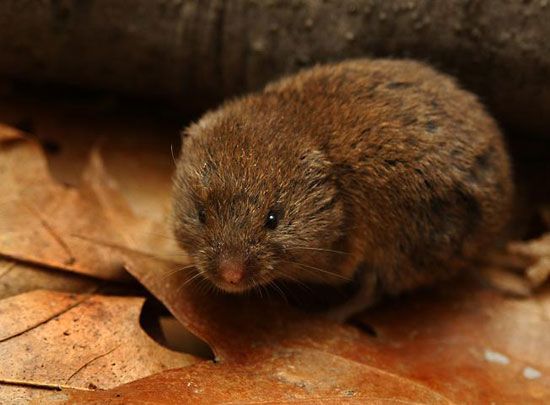
Voles are small, mouselike rodents belonging to the subfamily Arvicolinae. While they share similarities with other rodents, they are distinguished by several specific physical and behavioral characteristics:
- Physical Features: Unlike many other mice, voles possess a blunt muzzle rather than a tapered one. They are also characterized by small eyes and ears, and they have a tail that is notably shorter than their body length.1
- Fur and Build: Many species feature soft, dense fur that is often described as molelike in some burrowing varieties. Depending on the species, their bodies range from slender and cylindrical—well-adapted for digging—to more compact forms.12
- Habitats and Behavior: While most rodents are terrestrial, voles exhibit diverse ecological adaptations. They are primarily known for traveling through tunnels in grass, beneath snow, or within elaborate subsurface burrows. However, some species are arboreal, nesting in the tops of conifer trees, while others are semiaquatic, living near streams and ponds.1
- Activity: Voles remain active year-round, with some species being nocturnal, others diurnal, and some active during both day and night.12
How do voles differ from mice and other similar-looking rodents?
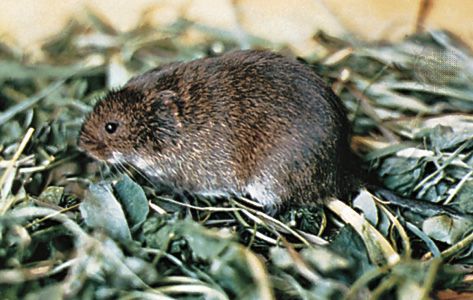
Voles are small, mouselike rodents belonging to the subfamily Arvicolinae. While they share a family lineage with mice, they are distinguished by several specific physical and behavioral characteristics:
Physical Distinctions
- Muzzle Shape: Unlike the tapered muzzle typical of many mice, voles possess a blunt, rounded muzzle.12
- Features: Voles generally have smaller eyes and ears compared to other similar-looking rodents.1
- Tail Length: A defining characteristic of a vole is its tail, which is notably shorter than its body length.13
- Build: Depending on the species, voles often have a stouter, more compact body shape. Some burrowing varieties, such as the woodland vole, have evolved slender, cylindrical bodies with strong feet and large front claws to assist in digging.234
Behavioral and Ecological Differences
- Habitat and Movement: While many rodents are primarily terrestrial, voles are specialized for traveling through tunnels in grass, beneath snow, or within elaborate subsurface burrows. Some species are even arboreal, nesting in the tops of conifer trees, or semiaquatic, living near streams and ponds.13
- Activity: Voles remain active year-round, regardless of the season.14
In what types of habitats are voles typically found?
Voles are highly adaptable rodents found in a wide variety of habitats across the Northern Hemisphere, ranging from sea level to high mountains.1
Their diverse environments include:
- Open Landscapes: They frequently inhabit prairies, steppes, semideserts, and treeless tundra.1
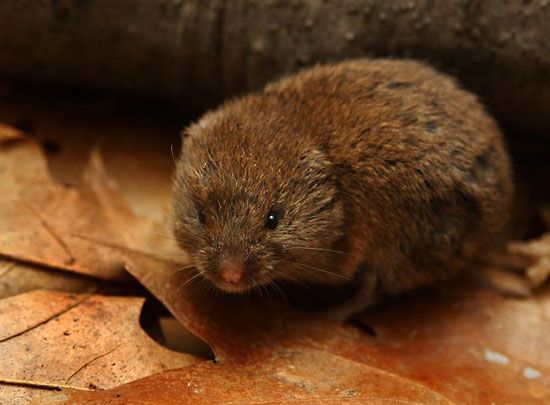
- Forests: Many species thrive in various forest types, including deciduous, coniferous, and cloud forests. For example, the woodland vole is common in beech-maple forests, orchards, and cultivated fields where moist, crumbly soil supports thick leaf litter.12
- Alpine and Meadow Environments: They are often found in alpine and subalpine meadows.1
- Specialized Habitats: Some species have evolved for unique niches. Arboreal voles, such as the red and Sonoma tree voles, live exclusively in the canopies of old-growth conifer forests in California and Oregon. Conversely, semiaquatic species like the American water vole dwell near clear, spring-fed streams and ponds.1
What adaptations do voles have for their burrowing lifestyle?
Voles exhibit several specialized adaptations that facilitate their burrowing lifestyle, allowing them to thrive in subterranean environments:
- Body Morphology: Many burrowing species, such as the woodland vole, possess slender, cylindrical bodies that allow for efficient movement through narrow tunnels.1
- Physical Tools: These rodents are equipped with strong feet and large front claws designed for digging. They also utilize their heads and incisor teeth to loosen soil during tunnel construction.1
- Sensory and Protective Features: To navigate the dark, confined spaces of their burrows, voles often have very small eyes and ears, which are frequently hidden within short, dense, molelike fur. They rely on prominent whiskers to help them navigate underground.21
- Excavation Techniques: When constructing tunnels, voles use their heads to push loosened debris out of the tunnel and into piles, often beneath protective layers like thick leaf litter.1
- Specialized Fur: Species like the mole vole (Ellobius) possess velvety fur, a common trait among burrowing rodents that helps them move through moist soil.2
Sources
- vole — Encyclopædia Britannica
- woodland vole — Encyclopædia Britannica
- vole — Merriam-Webster
- meadow vole — Encyclopædia Britannica
Published on · 3 min read