What Animal Has the Longest Life Span?
Determining the animal with the longest life span depends on how one defines longevity, as different species exhibit unique biological strategies for…
What animal has the longest life span?
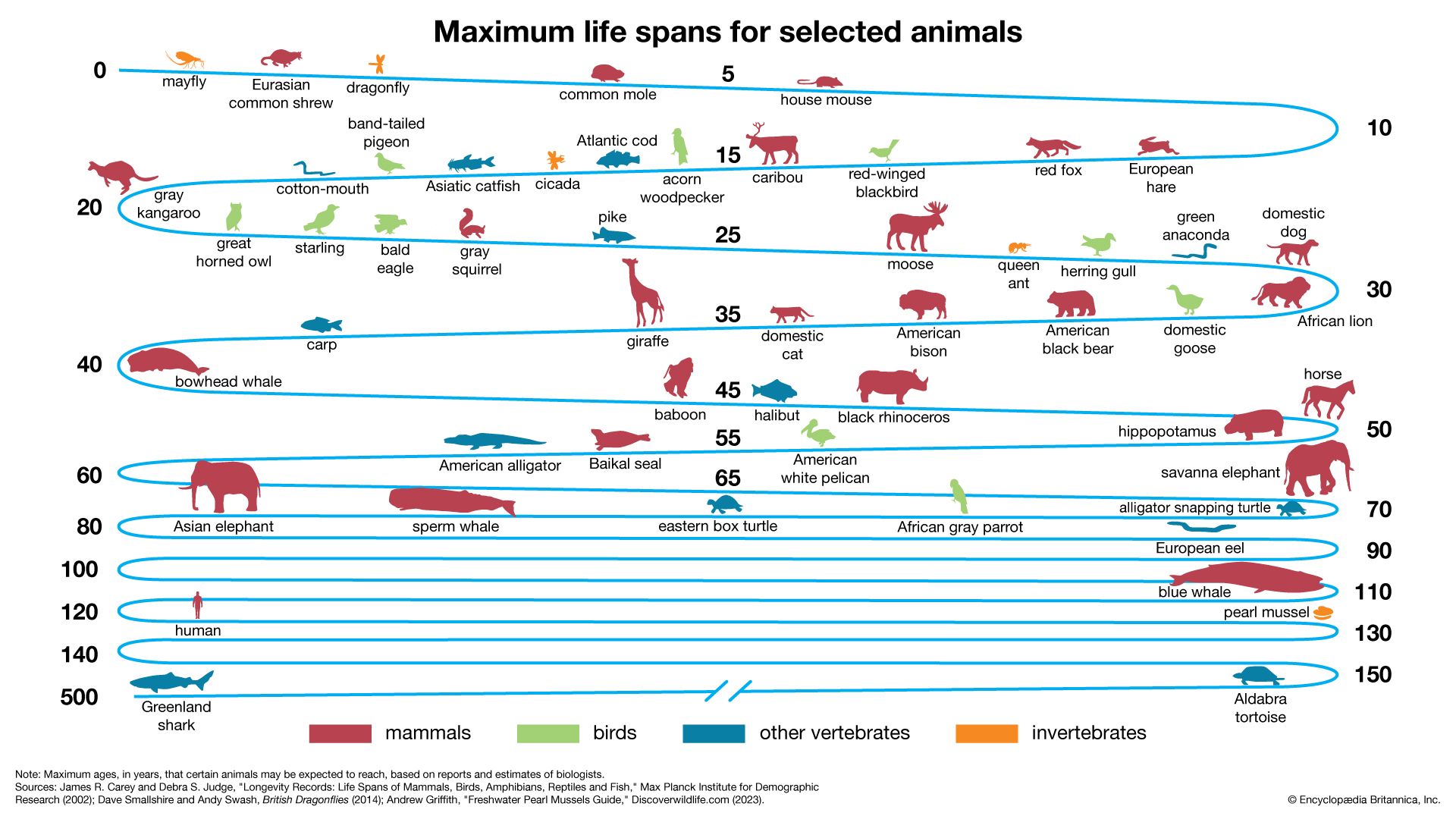
Determining the animal with the longest life span depends on how one defines longevity, as different species exhibit unique biological strategies for survival.
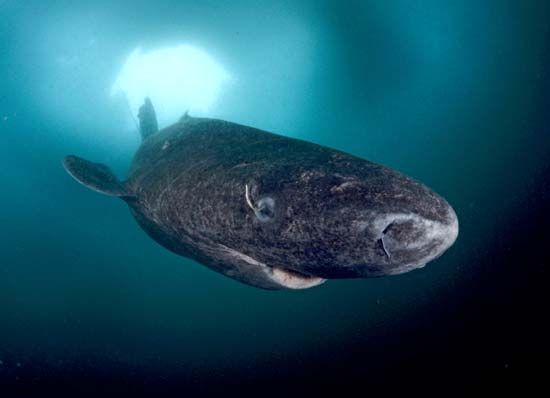
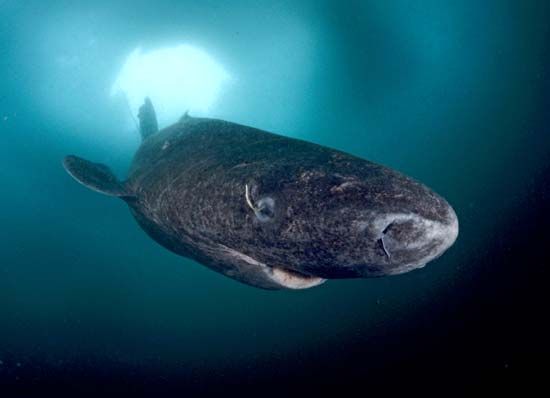
The Greenland shark (Somniosus microcephalus) is recognized as the longest-lived vertebrate known to science. Research using radiocarbon dating on the nuclei of the shark’s eye lenses suggests that some individuals may live for more than 500 years. This remarkable longevity is attributed to the species’ exceptionally slow growth rate and metabolism, which are adaptations to the frigid, deep waters of the Arctic Ocean and North Atlantic.1
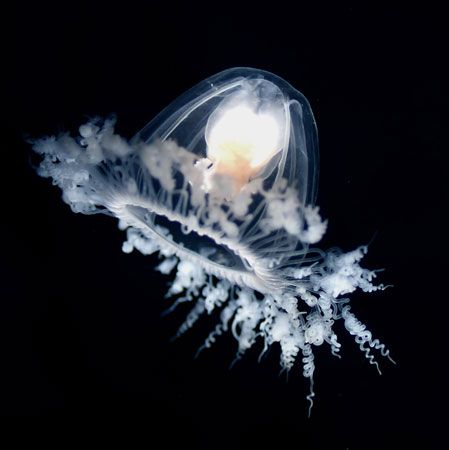
In contrast, the immortal jellyfish (Turritopsis dohrnii) is renowned for its ability to evade death through a process called transdifferentiation. When faced with physical damage or environmental stress, it can cycle back from its adult medusa stage to an earlier polyp stage, potentially repeating this life cycle indefinitely if it avoids predation or disease.2
How does the process of transdifferentiation work in the immortal jellyfish?
The immortal jellyfish (Turritopsis dohrnii) avoids death through a biological process known as transdifferentiation, which allows it to revert from its adult medusa stage to an earlier polyp stage when faced with physical damage or environmental stress.3
The process unfolds in several stages:
- Regression: When triggered by stressors such as low food availability or changes in water conditions, the medusa’s bell contracts and its tentacles deteriorate. The organism loses its ability to swim and settles onto the ocean floor as a ball of tissue.3
- Cyst Formation: During this stage, specialized adult cells disappear, leaving behind an undifferentiated mass of stem cells.3
- Redifferentiation: Over the course of 24–36 hours, these homogeneous cells differentiate into the specific cell types required to form a new polyp colony. This colony can then produce new, genetically identical medusae, effectively resetting the life cycle.3
This cycle can theoretically repeat indefinitely, provided the organism avoids predation or disease. Scientists are currently studying this mechanism to better understand the biological processes of aging in humans.3
What factors allow the Greenland shark to live for centuries?
The Greenland shark achieves its extraordinary life span—potentially exceeding 500 years—through several key biological and environmental adaptations:
- Slow Metabolism and Growth: These sharks inhabit the frigid, deep waters of the Arctic Ocean and North Atlantic, where cold temperatures foster an exceptionally slow metabolism. This “slow and steady” pace allows them to conserve energy and minimize the cellular damage typically associated with faster-paced life cycles.61
- Developmental Rate: Their growth is remarkably gradual; they take approximately 150 years to reach sexual maturity and maintain a slow swimming speed of less than 3 km per hour.6
- Genetic Mechanisms: Recent research, including the 2024 sequencing of the shark’s genome, has revealed multiple copies of genes responsible for regulating inflammation and facilitating DNA repair, both of which are critical for mitigating the effects of aging.6
Are there other animals that use hibernation to extend their lives?
Hibernation is primarily an adaptation for surviving adverse environmental conditions, such as food scarcity or extreme temperatures, rather than a direct mechanism for extending an animal’s lifespan. By entering a state of dormancy, animals significantly reduce their metabolic activity, heart rate, and body temperature to conserve energy.78
While hibernation is not a “fountain of youth,” it does provide physiological benefits that may support long-term survival. Research indicates that hibernating animals exhibit increased resistance to radiation and infectious diseases. During these periods of low metabolic demand, cellular repair processes—such as those required after radiation exposure—appear to be more effective than in active, warm-blooded states where high metabolic requirements limit the body’s ability to respond to injury.9
True hibernators are found among specific groups of mammals, including:
- Chiroptera: Bats7
- Insectivora: Hedgehogs and their allies7
- Rodentia: Ground squirrels, marmots, and woodchucks78
Additionally, the poorwill is recognized as the only bird known to hibernate9. While some animals like bears are often associated with the practice, they are considered “shallow hibernators” because their body temperatures do not drop to the near-freezing levels seen in true hibernators.710
Sources
- What animal has the longest life span? — Encyclopædia Britannica
- aging - Species differences in longevity and aging — Encyclopædia Britannica
- immortal jellyfish — Encyclopædia Britannica
- life span - Maximum and average longevity — Encyclopædia Britannica
- clam — Encyclopædia Britannica
- How old is the oldest living Greenland shark? — Encyclopædia Britannica
- Hibernation — Encyclopædia Britannica
- Dormancy - Protection from disease and radiation — Encyclopædia Britannica
- Why Do Some Animals Hibernate? — Encyclopædia Britannica
- Dormancy - Types of hibernation in mammals — Encyclopædia Britannica
- Dormancy - Homoiotherms and heterotherms — Encyclopædia Britannica
- Dormancy - Endocrine activity — Encyclopædia Britannica
Published on · 3 min read