How Many Stomachs Does a Cow Have?
It is a common misconception that cows have four stomachs. In reality, they possess a single stomach that is divided into four distinct compartments. This…
How many stomachs does a cow have?
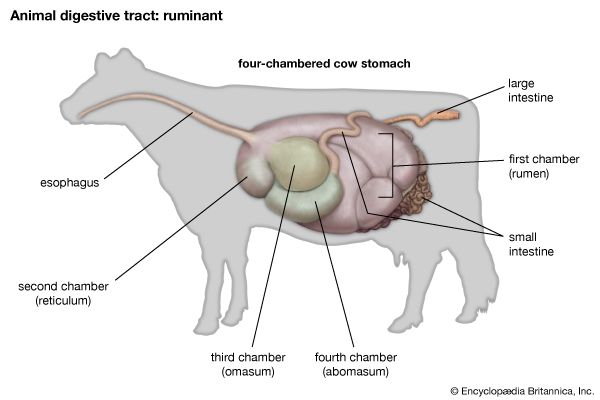
It is a common misconception that cows have four stomachs. In reality, they possess a single stomach that is divided into four distinct compartments. This specialized anatomy is a defining characteristic of ruminants, allowing them to efficiently digest fibrous plant material.1
The four compartments function as follows:
- Rumen: The largest chamber, acting as a fermentation vat where microbes break down cellulose.1
- Reticulum: Works with the rumen to mix food and filter out foreign objects.1
- Omasum: Contains folds of tissue that absorb water and nutrients.1
- Abomasum: Often called the “true stomach,” this final compartment uses acids and enzymes to digest proteins, similar to the human stomach.1
This system supports the process of “chewing the cud,” where cows regurgitate and rechew partially digested food to maximize nutrient extraction.1
What other animals are classified as ruminants?
The suborder Ruminantia includes a diverse group of herbivorous mammals. Beyond cattle, common examples of ruminants include:
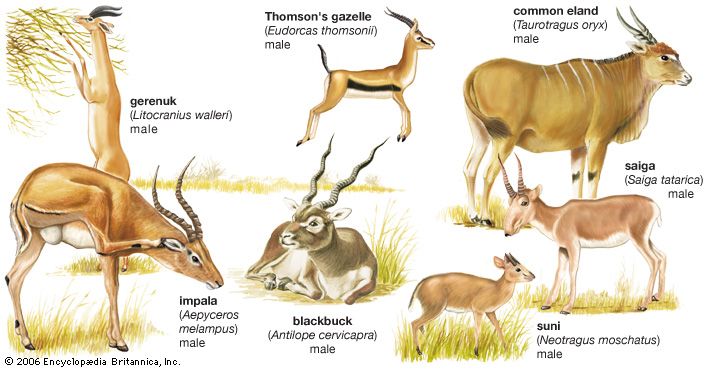
- Antelopes: A wide variety of species, such as gazelles, wildebeests, eland, and oryx.34
- Deer: Including moose, reindeer, wapiti, and roe deer.4
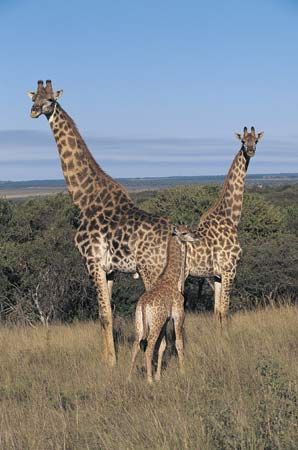
- Giraffids: The giraffe and the okapi.34
- Caprines: Sheep, goats, chamois, and musk-oxen.34
- Others: Pronghorns and chevrotains (also known as mouse deer).34
It is important to note that while camels are often associated with this group due to their similar digestive process, they are technically classified as pseudoruminants because they possess a three-chambered stomach rather than the four-chambered stomach typical of true ruminants.3
How do microbes help cows digest cellulose?
Cows are unable to digest cellulose on their own because they lack the necessary digestive enzymes to break down plant cell walls. Instead, they rely on a symbiotic relationship with microorganisms housed in the rumen, the largest compartment of their stomach1.1
The process functions through several key mechanisms:
- Fermentation: The rumen acts as an anaerobic fermentation vat. Microbes within the ruminal fluid break down cellulose into acetic acid and other volatile fatty acids, which the cow absorbs and utilizes as primary energy sources.51
- Mechanical Assistance: Cows aid this microbial activity by “chewing the cud,” a process of regurgitating and rechewing partially digested food. This breaks the plant material into smaller pieces, increasing the surface area for microbes to act upon and ensuring the ruminal fluid is thoroughly mixed with the food.51
- Protein Synthesis: Microbes also degrade plant proteins, some of which are resynthesized into microbial protein that the cow later digests in its “true stomach,” the abomasum, and the small intestine.51
- Vitamin Production: Ruminal bacteria synthesize water-soluble vitamins, reducing the cow’s dietary requirement for these nutrients.1
Why is the abomasum called the true stomach?
The abomasum is referred to as the “true stomach” because its physiological function is analogous to the stomach found in humans and other nonruminant animals.3
While the first three compartments of a ruminant’s stomach—the rumen, reticulum, and omasum—are primarily involved in fermentation, mixing, and water absorption, the abomasum is the site of chemical digestion. It produces acid and enzymes that break down proteins and prepare food for further absorption in the small intestine. Because it contains the gastric glands responsible for secreting these essential digestive juices, it is functionally equivalent to the single-compartment stomach of nonruminants.31
Sources
- How many stomachs does a cow have? — Encyclopædia Britannica
- Did you know? — Merriam-Webster
- ruminant — Encyclopædia Britannica
- artiodactyl - Annotated classification — Encyclopædia Britannica
- nutrition - Herbivores — Encyclopædia Britannica
- abomasum — Merriam-Webster
- gastric gland — Encyclopædia Britannica
Published on · 3 min read