Placental Mammal
Placental mammals are distinguished by the presence of a true placenta, a vascular organ that facilitates the exchange of nutrients and wastes between the…
What is the gestation period like for placental mammals compared to other animals?
Placental mammals are distinguished by the presence of a true placenta, a vascular organ that facilitates the exchange of nutrients and wastes between the mother and the fetus during gestation. This biological structure allows for a longer period of development within the protected environment of the womb compared to other mammals, such as marsupials and monotremes.1
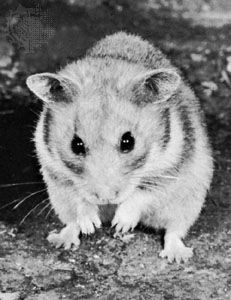
While marsupials have a less-developed placenta that limits their intrauterine gestation—often ranging from only 8 to 40 days—placental mammals can sustain much longer pregnancies. The duration of gestation in placental mammals varies widely, generally influenced by the animal’s size, the number of young per litter, and the required maturity of the offspring at birth. For instance, gestation can last as little as two weeks in a golden hamster or extend to 21–22 months in an African elephant. In contrast, monotremes differ significantly by laying shelled eggs rather than undergoing a traditional internal gestation.1234
How do placental mammals differ from other types of mammals like marsupials and monotremes?
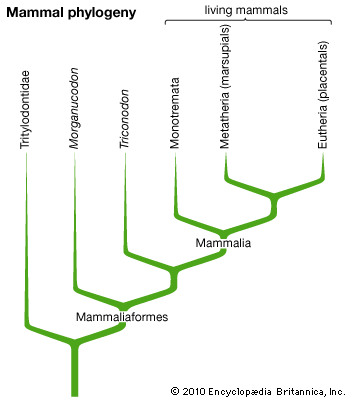
Placental mammals, marsupials, and monotremes represent the three primary groups of mammals, distinguished largely by their reproductive strategies and developmental processes.
Placental Mammals (Eutheria)
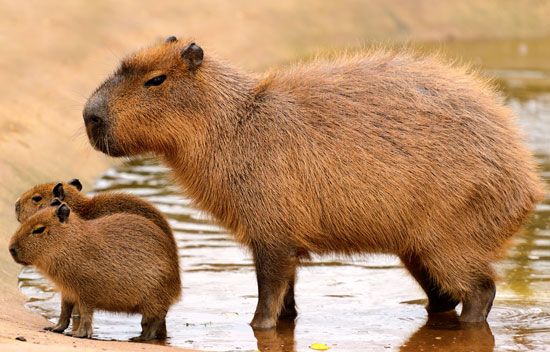
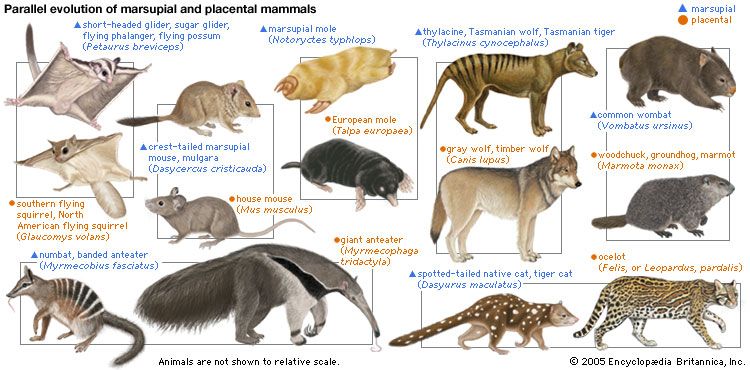
Placental mammals are viviparous, meaning they bear live young. Their defining characteristic is the placenta, a complex organ that facilitates the exchange of nutrients, gases, and waste between the mother and the fetus. This allows the fetus to remain in the uterus for a longer period, reaching a relatively advanced stage of development before birth. During pregnancy, the placenta also performs an endocrine function, secreting hormones like progesterone to maintain the uterine lining.378
Marsupials (Metatheria)
Unlike placental mammals, the uterine wall in marsupials is not specialized for long-term implantation. Consequently, their intrauterine gestation is very brief, typically lasting only 8 to 40 days. Newborn marsupials are born in an incompletely developed state and must migrate to the mother’s teats to continue their growth. Many species utilize a marsupium, or pouch, to shelter and protect the young during this extended period of external development.37
Monotremes (Prototheria)
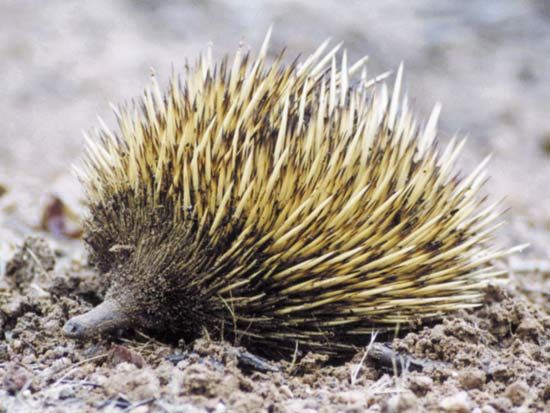
Monotremes are the only mammals that are not viviparous; instead, they are oviparous, meaning they lay shelled eggs. Despite this, they share core mammalian traits, such as nourishing their young with milk, though they lack the specialized nipples found in placentals and marsupials. Their young hatch at an early, altricial stage and remain dependent on the parent for further development.753
How do placental mammals regulate their body temperature and metabolism?
Placental mammals are endotherms, meaning they generate body heat internally to maintain a relatively constant core temperature, a state known as homeothermy. This process, called thermoregulation, is metabolically expensive and requires high quantities of food to fuel continuous heat production.101112
Regulatory Mechanisms
Mammals utilize a complex integration of neural, physiological, and behavioral processes to manage their body temperature. Biological sensors in the hypothalamus, spinal cord, and skin monitor thermal conditions and trigger appropriate responses:1012
- Heat Conservation and Production: When the body is cold, mammals initiate vasoconstriction to reduce blood flow to the skin, fluff their hair to improve insulation, and increase metabolic activity. This includes shivering and nonshivering thermogenesis, such as the activation of brown adipose tissue.1013
- Heat Loss: When the body is overheated, mammals promote heat loss through vasodilation, perspiration, and panting.1013
- Behavioral Regulation: Mammals also use behavioral strategies, such as seeking warmer or cooler environments, to assist in maintaining thermal comfort.1012
These autonomic functions are integrated by the brainstem and hypothalamus, allowing mammals to remain active across a wide range of environmental temperatures.1013
How have placental mammals evolved and diversified over time?
Placental mammals (infraclass Eutheria) are defined by the placenta, a vascular organ that allows for an extended gestation period within the womb. This developmental advantage is considered a key factor in the group’s evolutionary success.1
Origins and Early Evolution
Fossil evidence indicates that the first placental mammals emerged between approximately 163 million and 157 million years ago during the Jurassic Period. Their development involved significant evolutionary modifications, including the transition from egg-laying to viviparity, where the embryo is retained and nourished within the mother’s body.17
Cenozoic Radiation
Following the K–T extinction event that eradicated dinosaurs, placental mammals underwent a rapid adaptive radiation, filling vacant ecological niches. During the Paleocene, early ungulates proliferated, eventually leading to the diverse groups of perissodactyls and artiodactyls. By the Pliocene, many giant forms had evolved, including sabre-toothed cats and mammoths.15
Diversification and Geography
Today, placental mammals comprise over 95 percent of known mammal species. Their current diversity is a result of both global expansion and evolution in isolation, such as the distinct faunas that developed when continents like South America were separated from others.1516
Sources
- placental mammal — Encyclopædia Britannica
- Gestation — Encyclopædia Britannica
- mammal - Estrus and other cycles — Encyclopædia Britannica
- artiodactyl - Reproduction — Encyclopædia Britannica
- mammal - Implantation, gestation, and birth — Encyclopædia Britannica
- marsupial — Encyclopædia Britannica
- Animal development - Adaptations in mammals — Encyclopædia Britannica
- mammal — Encyclopædia Britannica
- Vertebrate - Annotated classification — Encyclopædia Britannica
- Thermoreception - Behaviour and thermoregulation — Encyclopædia Britannica
- Warm-bloodedness — Encyclopædia Britannica
- placenta — Encyclopædia Britannica
- Endotherm — Encyclopædia Britannica
- dinosaur - Ectothermy and endothermy — Encyclopædia Britannica
- Cenozoic Era - Cenozoic life — Encyclopædia Britannica
- mammal - Diversity — Encyclopædia Britannica
Published on · 4 min read