Which Is Bigger: Sperm Whale or Colossal Squid?
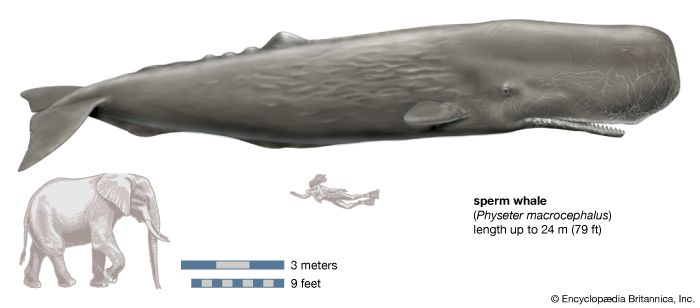
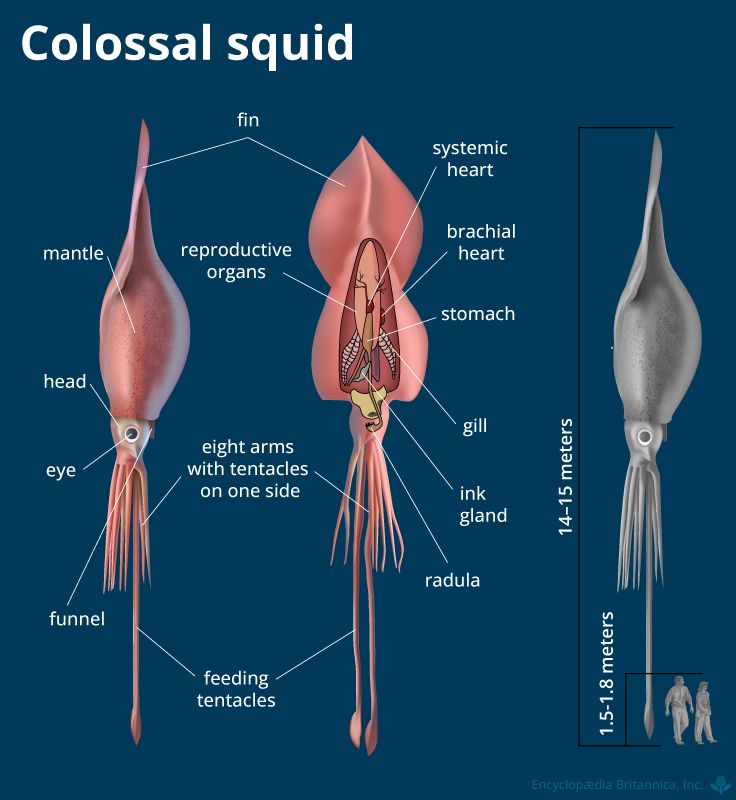
The sperm whale is generally much larger than the colossal squid.
Which is bigger: Sperm whale or colossal squid?
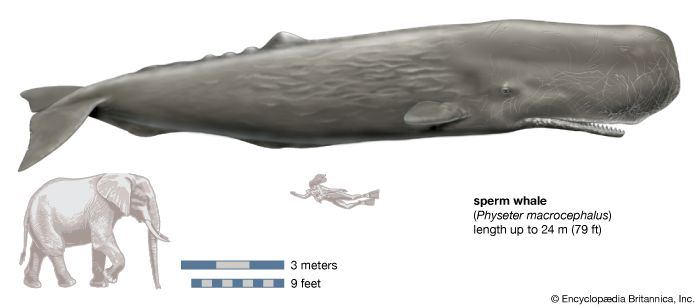
The sperm whale is generally much larger than the colossal squid.1
- Sperm Whale: Male sperm whales can reach lengths of approximately 24 meters (79 feet) and weigh up to 50 metric tons (50,000 kg). While females are smaller, typically measuring under 14 meters (46 feet), they remain significantly more massive than the squid.12
- Colossal Squid: These cephalopods are estimated to reach maximum lengths of about 14 meters (46 feet) and weigh more than 500 kg (1,100 pounds).13
Although some researchers suggest that the largest colossal squids might rival the length of some female sperm whales, the whale is vastly heavier and more robust in overall size. The sperm whale is a predator that frequently hunts these deep-sea creatures, often bearing sucker-shaped scars from their encounters.1432
How do sperm whales hunt in the deep ocean?
Sperm whales are highly specialized deep-sea hunters that rely on remarkable physiological adaptations to thrive in the dark, high-pressure environments of the deep ocean.
Hunting and Echolocation
As toothed whales, sperm whales are active hunters that use echolocation to navigate and locate prey, such as giant squid and colossal squid, in the lightless depths. They produce powerful, pulsed clicks—the loudest sounds made by any animal—which can reach up to 230 decibels. These clicks serve as a biological sonar, allowing the whales to map their surroundings and pinpoint prey with extreme precision.146
Deep-Diving Adaptations
Sperm whales are among the most impressive deep-divers in the ocean, frequently descending to depths of 350 to over 1,000 meters (3,280 feet) to hunt. To sustain these dives, which can last an hour or more, they utilize a unique spermaceti organ located in their massive heads. While its exact function is still studied, scientists believe it may assist in buoyancy regulation, nitrogen absorption under pressure, or act as a chamber for their echolocation signals. After these prolonged hunts, they return to the surface to breathe, typically spending about 10 minutes recovering before their next dive.15
What is the difference between a giant squid and a colossal squid?
While both the giant squid and the colossal squid are among the world’s largest invertebrates, they possess distinct physical and biological differences.95
Size and Build
The colossal squid is generally considered more robust and heavier than the giant squid. While both species rival each other in length, the colossal squid has a larger body and greater mass.1095
- Colossal Squid: Estimated to reach lengths of up to 14 meters (46 feet) and weigh over 500 kg (1,100 pounds).92
- Giant Squid: Known specimens have reached lengths of approximately 13 meters (43 feet), with some estimates suggesting a weight potentially reaching up to a ton (907 kg).210
Morphology and Habitat
- Physical Features: The colossal squid is equipped with rotating hooks on its tentacles and arms, whereas the giant squid is known for having suckers lined with serrated chitinous rings. Additionally, the colossal squid possesses the largest eyes of any animal in the world, measuring approximately 27 cm (10 inches) in diameter.5
- Geographic Range: The colossal squid is primarily found in the cold, deep waters of the Southern Ocean, particularly south of the Antarctic Convergence. The giant squid has a broader distribution across the world’s oceans.510
Why do sperm whales have scars on their skin?
Sperm whales often bear various scars on their skin, which are primarily the result of interactions with prey, other whales, or marine predators:
- Prey Interactions: Sperm whales are deep-sea hunters that feed on cephalopods, including the giant squid. Scientific evidence, such as the presence of squid beaks in whale stomachs, confirms these encounters. The large, circular scars frequently observed on the hides of sperm whales are often attributed to the suckers of these giant squids during their struggles.1
- Predatory Bites: Small, circular scars found on many marine animals, including whales and dolphins, were historically a mystery. These are now known to be caused by the cookie-cutter shark, a small grazing predator that removes hemispheric chunks of blubber from its prey.11
- Intraspecific Aggression: Like many cetaceans, sperm whales may engage in aggressive behaviors. While some scarring in the dolphin family is caused by nips from dominant individuals to establish social hierarchies, sperm whales can also engage in more dangerous forms of aggression, such as head-butting, which can lead to significant physical trauma.4
Sources
- Which is bigger: Sperm whale or colossal squid? — Encyclopædia Britannica
- How Big Is the Giant Squid? — Encyclopædia Britannica
- Tertiary Period - Large marine animals — Encyclopædia Britannica
- sperm whale — Encyclopædia Britannica
- colossal squid — Encyclopædia Britannica
- What is the loudest animal on Earth? — Encyclopædia Britannica
- How long can whales hold their breath? — Encyclopædia Britannica
- What do whales eat? — Encyclopædia Britannica
- colossal squid: Top Questions — Encyclopædia Britannica
- giant squid: Top Questions — Encyclopædia Britannica
- cetacean - Diseases and parasitism — Encyclopædia Britannica
- cetacean - Aggression and defense — Encyclopædia Britannica
Published on · 3 min read