Milkweed Butterfly
Milkweed butterflies, belonging to the subfamily Danainae within the brush-footed butterfly family (Nymphalidae), possess several distinctive characteristics:
What are the distinctive characteristics of milkweed butterflies?
Milkweed butterflies, belonging to the subfamily Danainae within the brush-footed butterfly family (Nymphalidae), possess several distinctive characteristics:
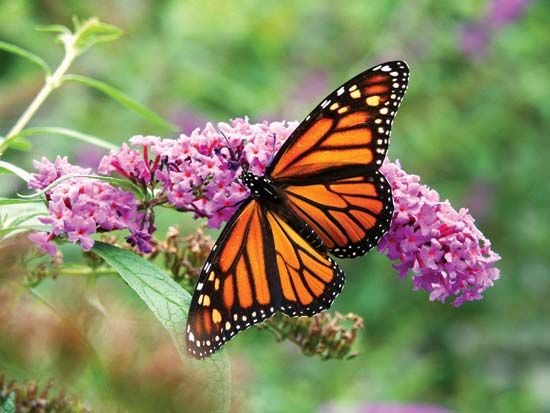
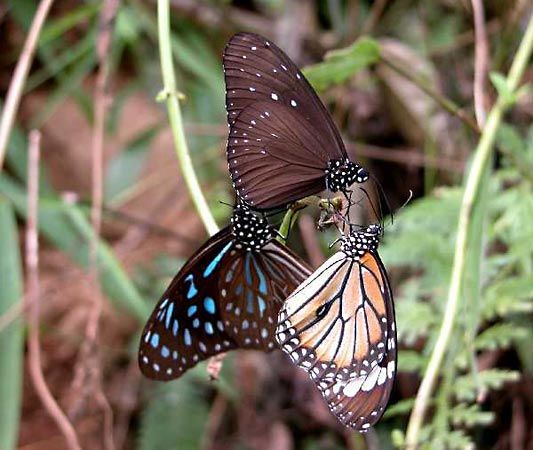
- Physical Appearance: These are large, colorful butterflies typically featuring long, brownish or orange wings marked by conspicuous black-and-white patterns.1
- Anatomy: A key anatomical trait is that their first pair of legs is small and non-functional for walking.1
- Chemical Defense: Their larvae feed almost exclusively on milkweed plants, which contain toxic compounds known as cardenolides. The larvae store these toxins, rendering them and the subsequent adult stages distasteful or poisonous to vertebrate predators.123
- Behavior: They are known for flying in a slow, deliberate manner. Many species, most notably the monarch butterfly, are famous for their long-distance migrations.12
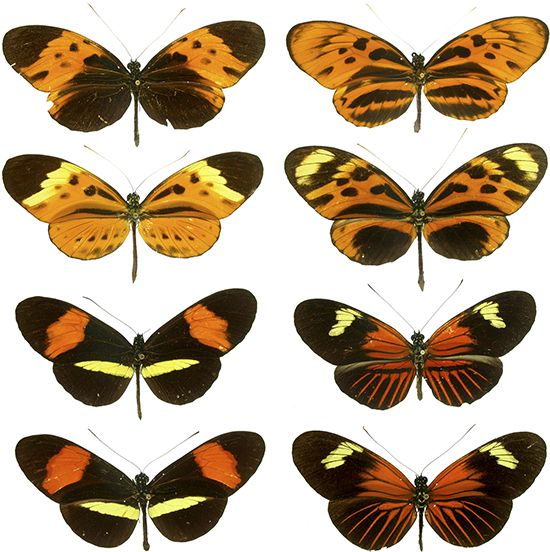
- Mimicry: Their warning coloration and unpalatability often serve as a model for other butterfly species, which benefit from protection through mimicry.1
How has climate change affected milkweed butterfly populations?
Anthropogenic climate change poses an existential threat to migratory milkweed butterflies, particularly the monarch, by disrupting their life cycles and habitats in several ways:
- Habitat Degradation: Global warming has intensified drought conditions in western North America, which hinders the growth of native milkweed—the essential host plant for larvae—and increases the frequency of destructive wildfires within their habitats.8
- Migratory Disruption: Changes in temperature regimes can trigger premature migrations. If butterflies arrive at breeding grounds before milkweed or nectar sources are available, their survival is compromised.8
- Extreme Weather: Increased frequency of extreme weather events can kill migrating butterflies before they complete their life cycles.8
While these factors have contributed to a significant population decline, leading the International Union for Conservation of Nature to list the migratory monarch as vulnerable, recent conservation efforts to restore overwintering sites and expand milkweed planting have shown signs of stabilizing populations.89
How do milkweed butterflies use chemical defenses for protection?
Milkweed butterflies, such as the monarch and queen butterflies, utilize a sophisticated chemical defense system to protect themselves from vertebrate predators.6
- Acquisition of Toxins: The larvae of these butterflies feed exclusively on milkweed plants, which contain toxic compounds known as cardenolides (or cardiac glycosides). These substances are highly toxic to the vertebrate heart and trigger the brain’s vomiting center.610
- Retention: The caterpillars consume these poisons without suffering ill effects, effectively sequestering the toxins within their bodies. This chemical protection is retained through the pupal stage and persists into adulthood, where the toxins are concentrated in the wings and abdomen.6710
- Deterrence: Because cardenolides cause a nauseating taste, predators—particularly birds—that sample these butterflies often learn to avoid them in the future. This defense is frequently advertised through aposematic (warning) coloration, which helps predators easily recognize and remember the butterflies as inedible.675
- Mimicry: This shared unpalatability often leads to Müllerian mimicry, where different inedible species evolve similar warning patterns to collectively educate predators, thereby reducing the number of individuals sacrificed during the learning process.11
What are milkweed butterflies and how are they related to the milkweed plant?
Milkweed butterflies belong to the subfamily Danainae within the brush-footed butterfly family (Nymphalidae). These butterflies are characterized by their large, colorful wings, slow flight, and the fact that their first pair of legs is reduced and not used for walking. Well-known members of this group include the monarch butterfly and the queen butterfly.15
The relationship between these butterflies and the milkweed plant (Asclepias) is essential to their survival. Milkweed butterflies rely exclusively on milkweed as a food source for their larvae. The plants contain acrid, milky juices filled with toxic compounds called cardenolides. By consuming these plants, the caterpillars sequester these toxins within their bodies, which makes them and their subsequent life stages distasteful to predators. This chemical defense, often paired with conspicuous warning coloration, protects the butterflies and frequently benefits other species through mimicry.231
Sources
- milkweed butterfly — Encyclopædia Britannica
- milkweed butterfly — Merriam-Webster
- Milkweed — Encyclopædia Britannica
- List of insects - butterflies and moths (order Lepidoptera ) — Encyclopædia Britannica
- Monarch butterfly - Life cycle — Encyclopædia Britannica
- mimicry - The chemical basis for repulsion — Encyclopædia Britannica
- Gentianales - Apocynaceae — Encyclopædia Britannica
- Monarch butterfly - Threats — Encyclopædia Britannica
- Monarch butterfly: Top Questions — Encyclopædia Britannica
- Lepidoptera - Protection against danger — Encyclopædia Britannica
- mimicry - Müllerian mimicry — Encyclopædia Britannica
Published on · 3 min read