White River
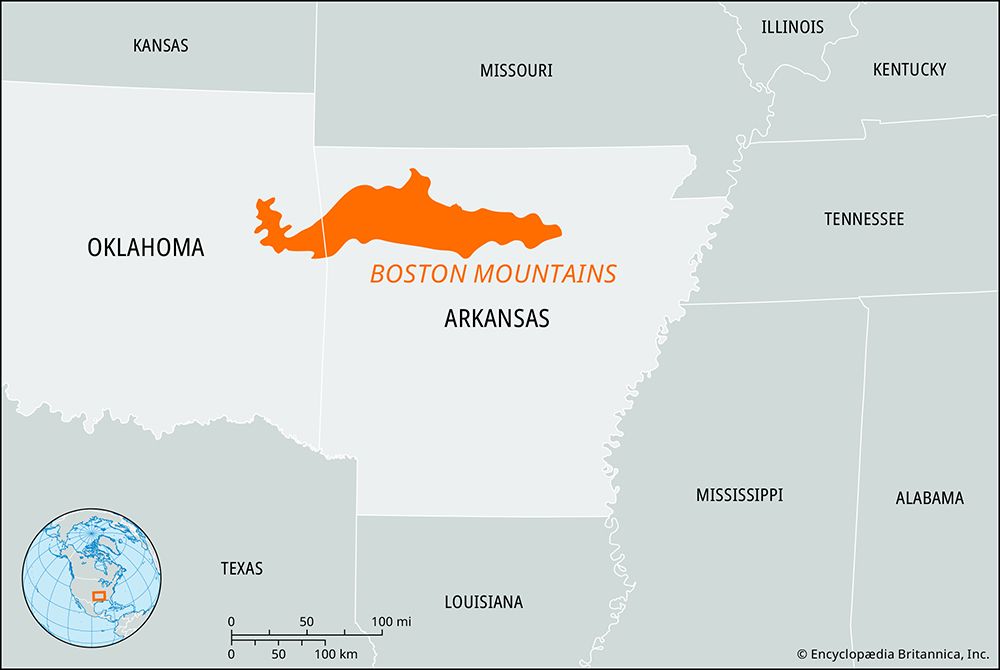
The name "White River" refers to several distinct rivers in the United States. The most prominent is a 685-mile-long waterway rising in the Boston Mountains…
What is White River?
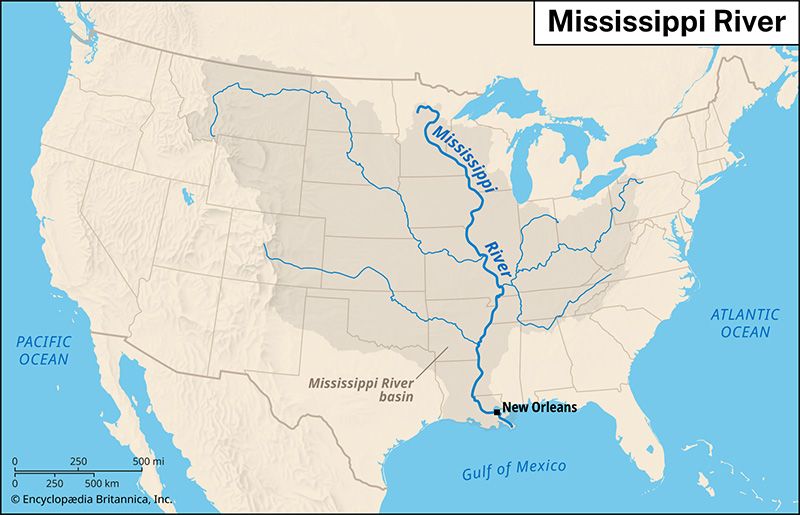
The name “White River” refers to several distinct rivers in the United States. The most prominent is a 685-mile-long waterway rising in the Boston Mountains of Arkansas, flowing through Missouri, and eventually joining the Arkansas River near the Mississippi River. This river is characterized by deep, narrow gorges in its upper course and a meandering floodplain after it emerges near Newport, Arkansas.1
Other notable rivers sharing this name include:
- A 325-mile-long river in South Dakota that flows into the Missouri River.2
- A 250-mile-long river in Colorado and Utah that flows into the Green River.2
- A 50-mile-long river in Indiana that flows into the Wabash River, a region historically significant for the migration of the Delaware people2.2
- A 130-mile-long river located in northwestern Texas.2
How do dams like Bull Shoals affect river ecosystems?
Dams like the Bull Shoals Dam significantly alter river ecosystems by transforming natural waterways into managed reservoirs. These structures impact the environment in several critical ways:5
- Sediment Retention: Dams act as barriers that trap a river’s sediment load within reservoirs. This prevents natural downstream transport, which is essential for maintaining habitats like deltas and beaches.6
- Disruption of Migratory Paths: Large dams often block or impede the movement of spawning fish. While technologies like fish passes—such as fish ladders and locks—are sometimes employed to help fish navigate these obstacles, they have struggled to prevent dramatic population declines in many river systems.7
- Habitat Inundation: The creation of reservoirs leads to the flooding of vast areas, which can destroy local flora and fauna, submerge cultural landscapes, and displace human populations.1
- Flow Modification: By regulating water for hydroelectric power, flood control, and irrigation, dams change the natural flow regimes of rivers, which can adversely affect the health of riparian ecosystems.61
What is the difference between a river’s source and its mouth?
The source and the mouth represent the two opposite ends of a river’s journey.
- Source: Also known as the riverhead, this is the beginning part of a stream or river. It is the point of origin where the water first emerges, often referred to as the headwater or headstream.89
- Mouth: This is the terminal point of a river, defined as the place where the river enters a larger body of water, such as the ocean.10
In essence, the source marks the start of the river’s flow, while the mouth marks its conclusion as it empties into a sea, lake, or ocean.
Why are there so many rivers in the U.S. named White River?
The prevalence of the name “White River” across the United States is not due to a single origin, but rather a common practice among early explorers and mapmakers who named rivers based on their physical characteristics or local observations.
Many rivers in the U.S. share names like “White,” “Colorado,” or “Red” because early European explorers often used descriptive terms to identify waterways based on the appearance of the water, such as its color, clarity, or sediment content. For instance, a river might be named “White” if it appeared milky or clear due to specific mineral deposits or glacial silt, a naming convention that was applied independently in different regions.311
Because these naming practices were often localized and occurred before standardized geographic naming conventions were established, multiple rivers across different states—such as those in Arkansas/Missouri, Indiana, and South Dakota—came to share the same name despite having no geographic connection.11123
Sources
- White River — Encyclopædia Britannica
- Indiana - Prehistory and exploration — Encyclopædia Britannica
- White — Merriam-Webster
- Black River — Encyclopædia Britannica
- dam - Fish passes — Encyclopædia Britannica
- river - Environments of deposition — Encyclopædia Britannica
- dam - Rise of environmental and economic concerns — Encyclopædia Britannica
- river's mouth — Merriam-Webster
- riverhead — Merriam-Webster
- source — Merriam-Webster
- list of rivers - North America — Encyclopædia Britannica
- Why are there two Colorado Rivers? — Encyclopædia Britannica
Published on · 3 min read