White River
There are several rivers in North America named the White River. The most prominent is the White River that flows through Arkansas and Missouri. This river…
What is White River?
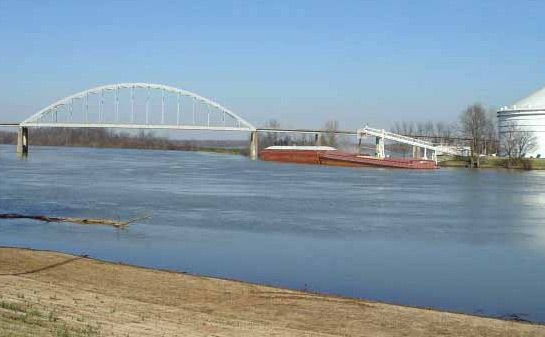
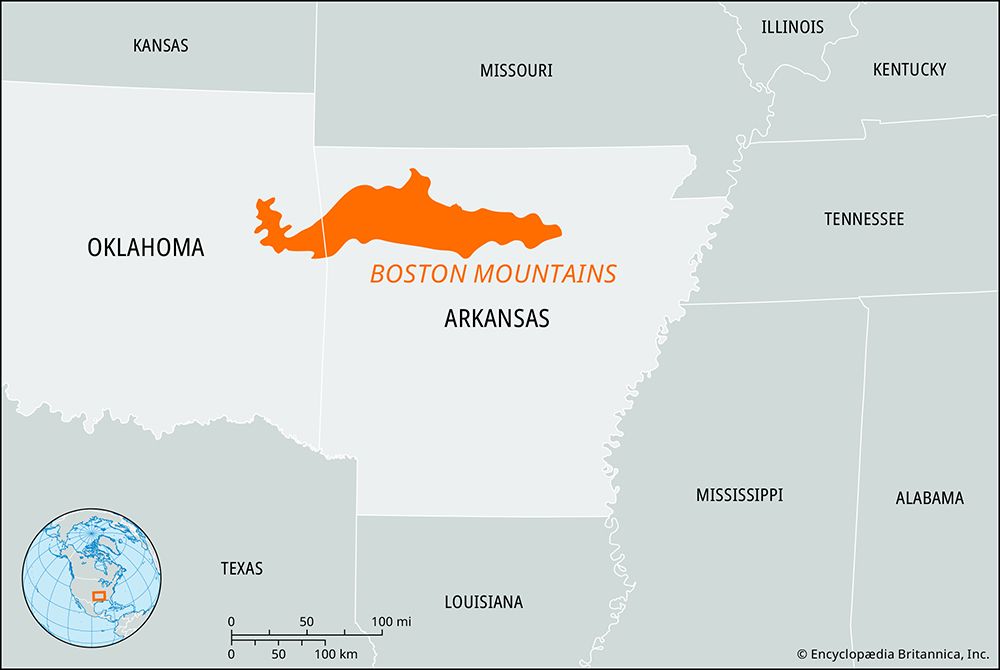
There are several rivers in North America named the White River. The most prominent is the White River that flows through Arkansas and Missouri. This river rises in the Boston Mountains of Arkansas, flows into Missouri, and eventually joins the Arkansas River near the Mississippi River. It is 685 miles long and features significant dams, such as the Bull Shoals Dam.12
Other notable rivers sharing this name include:
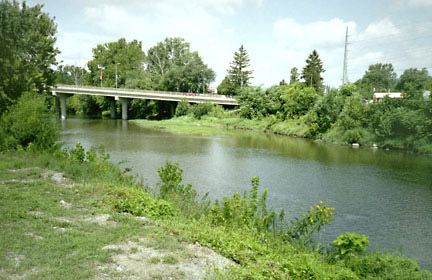
- The White River in Indiana, which was historically significant to indigenous peoples like the Delaware.34
- The White River located in Nebraska and South Dakota.3
Why are there so many different rivers in the United States named White River?
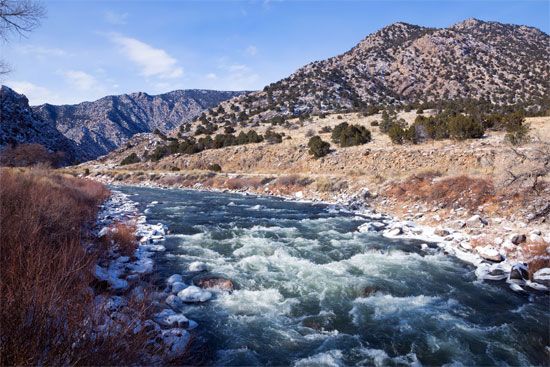
The prevalence of multiple rivers named “White River” across the United States is primarily a result of descriptive naming practices used by early explorers and settlers. Much like the Colorado River, which was named for its reddish, silt-heavy waters, many rivers were labeled based on their most prominent visual characteristics, such as the clarity of the water, the presence of white sediment, or the appearance of foam and rapids.52
Because these naming conventions were applied independently by various groups of explorers and mapmakers across different regions, the name was adopted repeatedly for distinct waterways. Notable examples include:2
- The White River in Arkansas and Missouri.56
- The White River in Indiana.56
- The White River in Nebraska and South Dakota.56
- Additional rivers in Colorado, Utah, and Texas.5
This duplication often reflects the common practice of using simple, observable descriptors in early cartography, which frequently led to multiple geographic features sharing identical names across the continent.2
How do dams like Bull Shoals affect the environment of a river?
Dams like the Bull Shoals Dam significantly alter the natural environment of a river system. While these structures provide benefits such as hydroelectric power, flood control, and water storage, they also cause profound ecological and social changes.
Environmental Impacts
- Disruption of Migratory Species: Dams often block or impede the movement of fish species that must travel upstream to spawn. While technologies like fish passes—such as fish ladders and locks—are sometimes used to mitigate these effects, they are not always successful, leading to population declines in native fish.
- Alteration of Natural Cycles: Rivers naturally transport nutrient-rich silt downstream, which enriches floodplains and supports agriculture. Dams trap this sediment, disrupting the natural fertilization cycle and often forcing reliance on chemical fertilizers, which can lead to runoff and harmful algal growth.
- Habitat Transformation: The creation of reservoirs inundates large areas of land, destroying existing terrestrial ecosystems, flora, and fauna. Furthermore, downstream waters may become “silt-free,” which can cause increased erosion of riverbanks rather than the natural buildup of land.
Social and Cultural Impacts
- Displacement: Large-scale dams often require the relocation of human populations, sometimes displacing thousands of people and flooding cultural homelands or urban infrastructure.
- Landscape Alteration: Dams are frequently criticized for transforming picturesque natural landscapes into industrial “water tanks,” often sparking intense public debate regarding the preservation of natural heritage versus the need for municipal or commercial development.
What role did rivers play in the exploration and settlement of the American Midwest?
Rivers served as the primary arteries for exploration, trade, and settlement in the American Midwest, acting as both natural highways and strategic assets for competing colonial powers and pioneer settlers.1314
Exploration and Strategic Control
Natural waterways directed the lines of early exploration and conquest. European powers, particularly France and Britain, recognized that controlling river systems meant dominating the heart of North America. French explorers like René-Robert Cavelier, sieur de La Salle utilized the Great Lakes and the Mississippi River to claim vast interior territories. This strategic importance led to intense geopolitical conflict, such as the French and Indian War, which was sparked by competing claims over the Ohio River valley.131516
Settlement and Economic Expansion
For pioneer settlers, rivers were essential for movement into the interior. Passage between river systems was often facilitated by portage along ice-diverted channels. As the United States expanded, the Mississippi and its tributaries became vital for economic growth.131617
- Transportation: Before the rise of railroads, river transport was the most efficient way to move people and goods. Settlers traveled downstream on rafts and flatboats, while keelboats were used to navigate upstream.1416
- Steamboat Era: The introduction of the steamboat revolutionized commerce, allowing for faster, more reliable travel and the transport of major commodities like cotton and sugar.17
- Urban Development: Many cities were established at strategic river locations, serving as hubs for trade and communication.13
By the 1870s, the efficiency of railroads eventually led to the decline of steamboat dominance, but the initial settlement patterns of the Midwest remained deeply tied to these riparian corridors.1714
Sources
- White River — Encyclopædia Britannica
- list of rivers - North America — Encyclopædia Britannica
- Indiana - Prehistory and exploration — Encyclopædia Britannica
- Black River — Encyclopædia Britannica
- White — Merriam-Webster
- Why are there two Colorado Rivers? — Encyclopædia Britannica
- North America - Drainage — Encyclopædia Britannica
- river - River channel patterns — Encyclopædia Britannica
- dam - Fish passes — Encyclopædia Britannica
- dam - Rise of environmental and economic concerns — Encyclopædia Britannica
- Akosombo Dam — Encyclopædia Britannica
- Yangtze River - Human impact on the environment — Encyclopædia Britannica
- river - Significance in early human settlements — Encyclopædia Britannica
- French and Indian War - Causes of the French and Indian War — Encyclopædia Britannica
- Mississippi River - Early settlement and exploration — Encyclopædia Britannica
- steamboat — Encyclopædia Britannica
- ship - Commercial steam navigation — Encyclopædia Britannica
Published on · 4 min read