Why Don’t Birds Have Teeth?
Modern birds lack teeth, a trait that distinguishes them from many of their dinosaur ancestors. While early fossil birds like Archaeopteryx possessed teeth…
Why Don’t Birds Have Teeth?
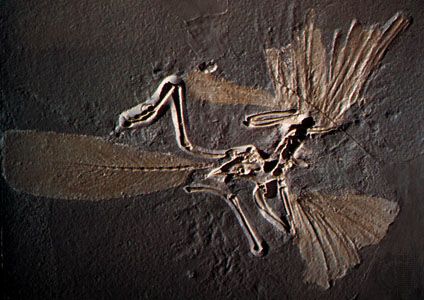
Modern birds lack teeth, a trait that distinguishes them from many of their dinosaur ancestors. While early fossil birds like Archaeopteryx possessed teeth, evolutionary pressures led to their disappearance.12
One prominent theory suggests that losing teeth allowed birds to hatch more quickly. Developing teeth is a time-consuming process within an egg; by eliminating them, birds could develop and hatch faster, reducing the time spent in a vulnerable, immobile state. Other theories propose that the absence of teeth helped reduce weight, potentially facilitating flight, or that it served as an adaptation to simplify the consumption of various food sources.1
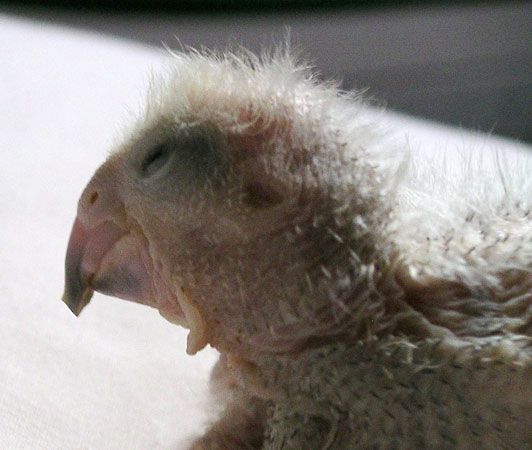
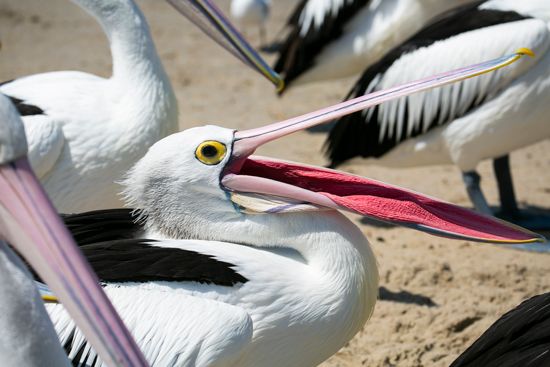
Instead of teeth, birds utilize a beak for feeding and a gizzard—a specialized part of the stomach—to mechanically grind food, often with the help of ingested stones. While they lack true teeth, many young birds possess an egg tooth, a temporary horny structure used to break through the eggshell during hatching.341
What is the purpose of an egg tooth in hatchlings?
The primary purpose of an egg tooth is to provide hatchlings with a specialized tool to break through the eggshell and successfully escape the egg at the time of hatching.62
While some reptiles, such as certain snakes and lizards, develop a true tooth for this purpose that is later shed, birds possess an analogous, temporary horny structure located on the beak. This hard, sharp prominence is also found in other egg-laying species, including turtles, crocodilians, and the only egg-laying mammals, the duck-billed platypus and the echidna. Once the hatchling has used this structure to breach the shell, it is no longer needed.627
How does a bird’s gizzard function to grind food?
The gizzard is a specialized, highly muscular section of a bird’s stomach located between the crop and the intestine. Because birds lack teeth and possess relatively weak jaw musculature, the gizzard serves as a vital organ for the mechanical breakdown of food.18
To facilitate this process, many birds ingest small stones or pebbles known as gastroliths. Once inside the thick-walled gizzard, these stones act as grinding agents, crushing seeds and other tough food items as the muscular walls contract. This mechanical action effectively compensates for the absence of teeth, allowing the bird to process its diet efficiently before the food passes into the digestive tract.189
What are some key differences between Archaeopteryx and modern birds?
While Archaeopteryx is often cited as the earliest known bird, it is more accurately described as a feathered dinosaur that shares many characteristics with theropods. Unlike modern birds, Archaeopteryx possessed several primitive skeletal features:
- Dentition and Tail: Unlike living birds, which are toothless, Archaeopteryx had well-developed teeth and a long, bony tail similar to those of small dinosaurs.10
- Manual Structure: The three fingers on its hands bore claws and moved independently, whereas the fingers of modern birds are fused.10
- Flight Capability: While it possessed wings and feathers, its skeletal structures for flight were incompletely developed. It was likely capable only of short bursts of powered flight to escape predators, lacking the capacity for the sustained, high-performance flight seen in modern birds.10
Despite these differences, it shared key avian traits such as a wishbone, hollow bones, and air sacs, which were inherited from its nonavian dinosaur ancestors.10
Sources
- Gizzard — Encyclopædia Britannica
- Why Don’t Birds Have Teeth? — Encyclopædia Britannica
- Bird - Fossil birds — Encyclopædia Britannica
- Beak — Encyclopædia Britannica
- Bird - Feeding habits — Encyclopædia Britannica
- Egg tooth — Encyclopædia Britannica
- egg tooth — Merriam-Webster
- Bird - Muscles and organs — Encyclopædia Britannica
- gastrolith — Merriam-Webster
- Archaeopteryx — Encyclopædia Britannica
Published on · 2 min read