Theropod
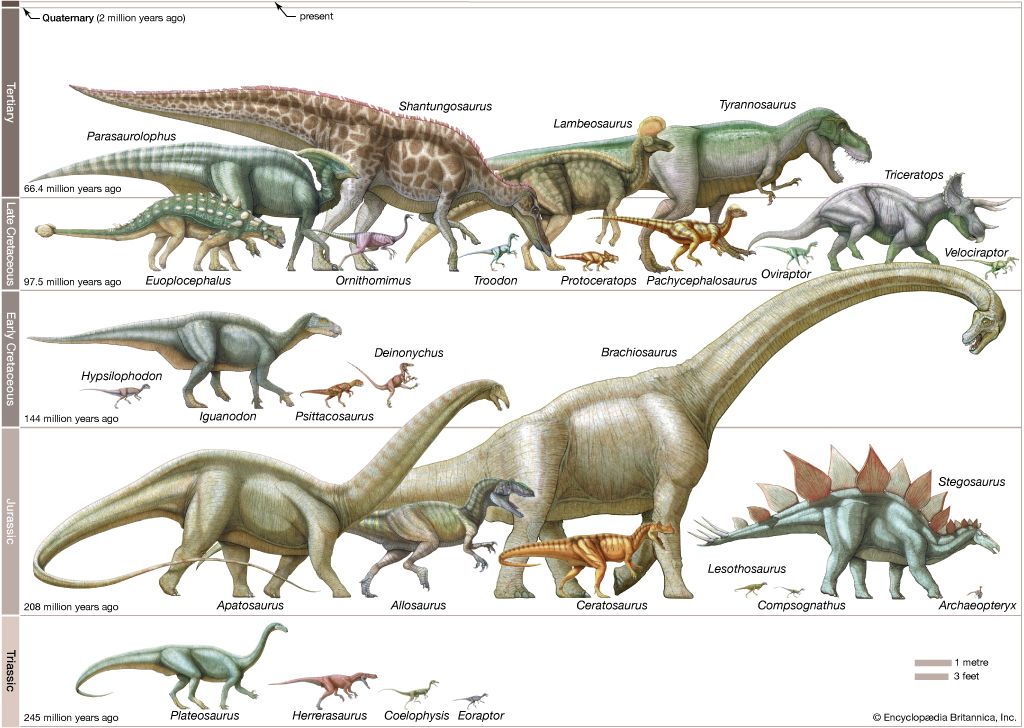
Theropod dinosaurs exhibited a vast range of sizes, reflecting the group's immense diversity throughout the Mesozoic Era.
What was the typical size range of theropod dinosaurs?
Theropod dinosaurs exhibited a vast range of sizes, reflecting the group’s immense diversity throughout the Mesozoic Era.
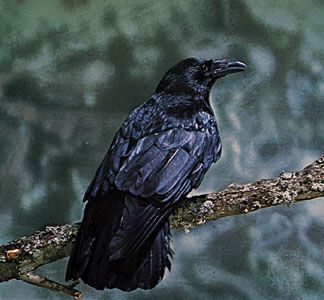
At the smaller end of the spectrum, the nonavian dinosaur Microraptor was approximately the size of a crow. In contrast, the largest theropods, such as Tyrannosaurus and Giganotosaurus, reached lengths of 15 metres (50 feet) or more, stood over 5 metres (16 to 18 feet) tall, and weighed six tons or more.12
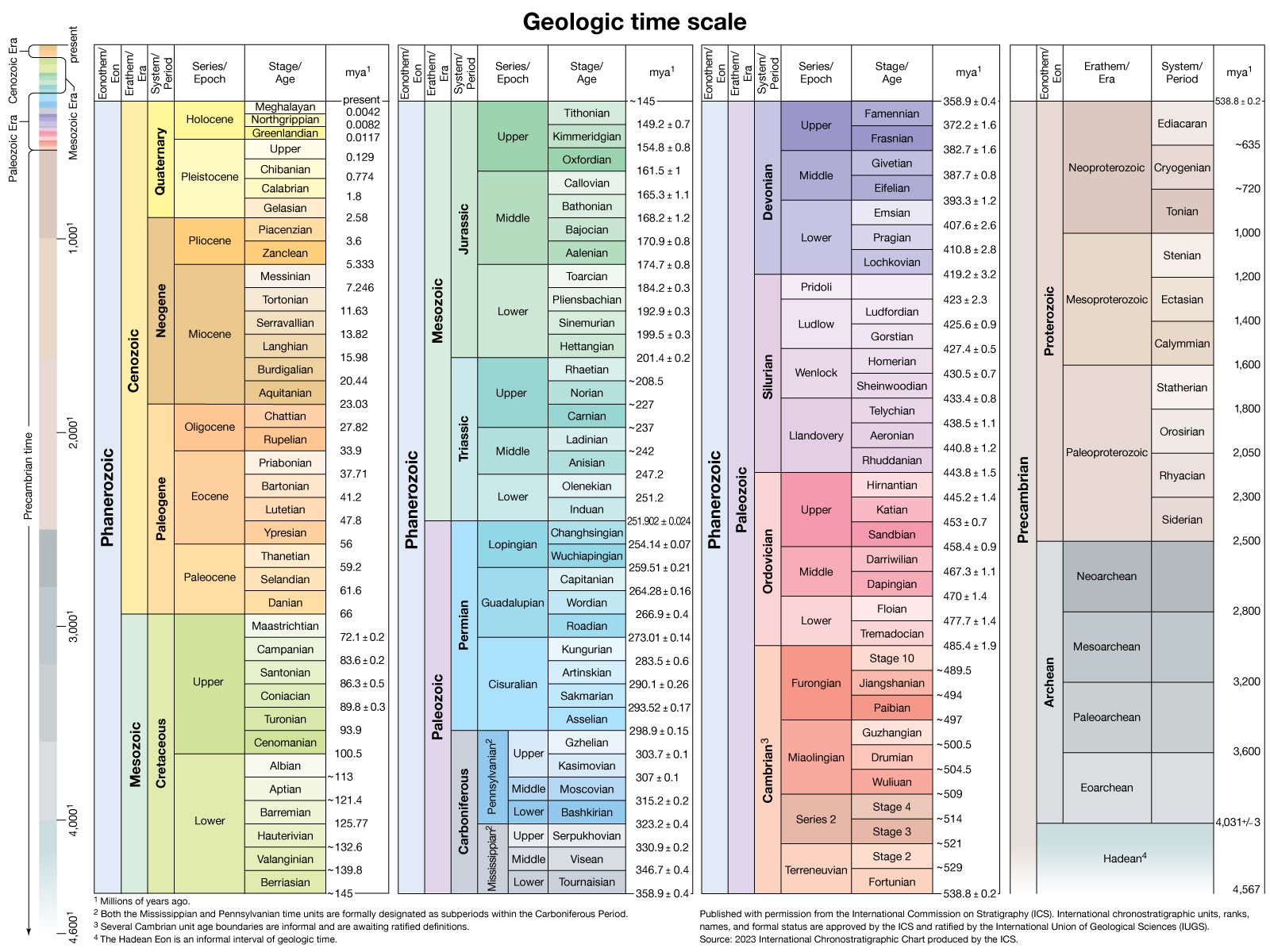
This group, which includes all flesh-eating dinosaurs as well as modern birds, maintained a consistent body plan as obligate bipeds despite these extreme variations in scale. Their evolutionary history spans from the early Triassic Period, represented by small dinosaurs like the 1.2-metre-long Eodromaeus, through the end of the Cretaceous Period.12
Which well-known dinosaur species belong to the theropod suborder?
The suborder Theropoda encompasses a vast array of dinosaurs, ranging from small, agile predators to massive apex carnivores, as well as all modern birds. Because birds are direct descendants of small theropods, they are scientifically classified as members of this group.324
Well-known theropod species include:
- Tyrannosaurids: The most famous is Tyrannosaurus rex, known for its massive size and short forelimbs. Related species include Albertosaurus, Daspletosaurus, and Tarbosaurus.13
- Dromaeosaurs: Often called “raptors,” these include the well-known Velociraptor and Deinonychus, both characterized by specialized, sickle-like foot claws.12
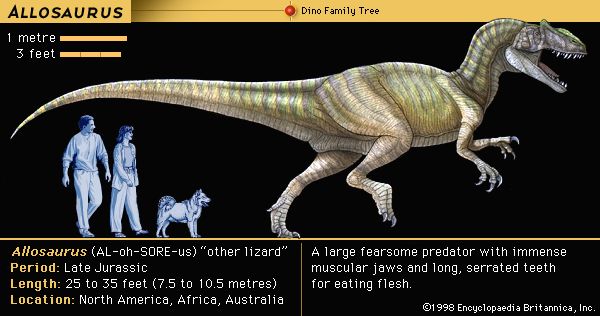
- Carnosaurs: This group features the large predator Allosaurus, as well as Giganotosaurus and Acrocanthosaurus.14
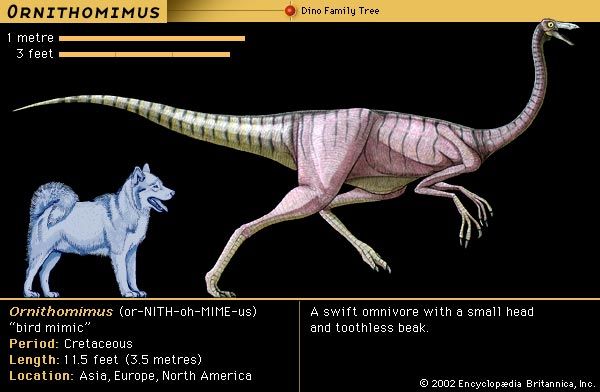
- Ornithomimids: Often referred to as “ostrich mimics,” these include Struthiomimus, which were adapted for fast running.13
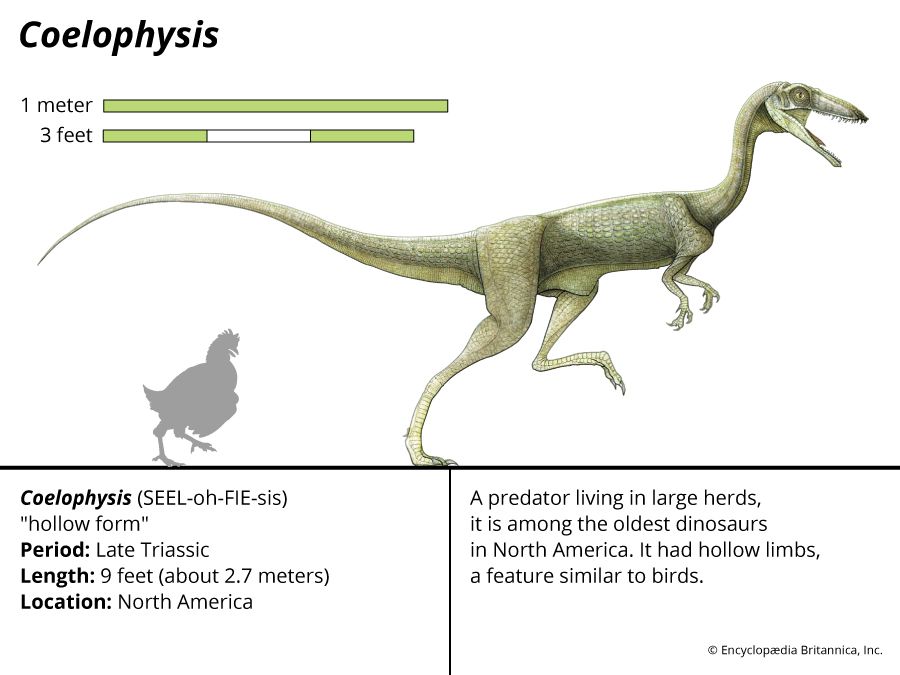
- Basal and Small Theropods: These include the chicken-sized Compsognathus, the early Coelophysis, and the crow-sized Microraptor.134
- Others: Notable examples also include the fish-eating Spinosaurus and the bird-like Archaeopteryx.12
How did theropods’ body structure differ from other dinosaur groups?
Theropod dinosaurs possessed a distinct body structure that set them apart from other dinosaur groups, primarily defined by their status as obligate bipeds and their specialized carnivorous adaptations.25
Key Structural Differences
- Locomotion and Stance: Unlike other dinosaur lineages, all theropods were obligate bipeds, meaning their hind limbs were exclusively designed for support and locomotion. While other groups like ornithopods had bipedal ancestors, many later forms transitioned to quadrupedal or facultative quadrupedal stances; theropods remained exclusively bipedal throughout their history.256
- Forelimb Specialization: Theropod forelimbs were entirely divested of locomotor functions, having evolved into grasping appendages. These limbs featured long, flexible fingers with sharp, recurved claws, which were well-adapted for tearing prey. Over time, many theropods reduced their number of fingers, with most being three-fingered and some, such as Tyrannosaurus, having only two.25
- Skeletal Features: Theropods shared unique anatomical traits, including hollow, lightly built hind leg bones (especially in smaller species), a distinctive joint in the lower jaw, and specialized neck vertebrae called epipophyses. They also possessed a unique “transition point” in the tail where vertebrae became longer and more lightly built.2
- Dentition: Their jaws were characterized by sharp, bladelike teeth, which were typically laterally compressed and serrated to facilitate a carnivorous diet.25
What evidence supports the theory that modern birds are descendants of theropod dinosaurs?
The theory that modern birds are descendants of theropod dinosaurs is supported by a wealth of fossil evidence and anatomical comparisons.782
Fossil Evidence and Feathers
The most compelling evidence comes from the discovery of feathered dinosaurs in the Liaoning deposits of China. Fossils such as Sinosauropteryx revealed that many nonavian theropods were covered in filamentous structures composed of keratin, which are precursors to modern bird feathers. These findings demonstrate that feathers evolved for insulation and display long before the advent of flight. The famous fossil Archaeopteryx further bridges the gap, exhibiting a mix of avian features—such as wings and feathers—and primitive dinosaurian traits like teeth and a long, bony tail.89710
Anatomical Similarities
Beyond feathers, birds and theropods share numerous skeletal characteristics that indicate a close evolutionary relationship:108
- Respiratory System: Both groups possess hollow, thin-walled bones and air sacs in their backbones, which are essential for the efficient, unidirectional breathing seen in modern birds.1011
- Skeletal Structure: Theropods and birds share a wishbone (furcula), a breastbone, and a similar three-fingered hand structure.108
- Foot Morphology: The foot structure of theropods, with three forward-pointing toes and an elevated “heel,” is remarkably similar to that of modern birds.8
These shared traits, validated by phylogenetic analysis, confirm that birds are a specialized lineage of theropod dinosaurs.92
Sources
- theropod — Encyclopædia Britannica
- dinosaur - Theropoda — Encyclopædia Britannica
- dinosaur - Tetanurae — Encyclopædia Britannica
- dinosaur - Dinosaur descendants — Encyclopædia Britannica
- human evolution - The anatomy of bipedalism — Encyclopædia Britannica
- dinosaur - Ornithopoda — Encyclopædia Britannica
- How Do We Know That Dinosaurs May Have Had Feathers? — Encyclopædia Britannica
- Archaeopteryx — Encyclopædia Britannica
- feathered dinosaur — Encyclopædia Britannica
- Bird - Evolution and paleontology — Encyclopædia Britannica
- Respiratory system - Birds — Encyclopædia Britannica
- arthropod - Respiratory system — Encyclopædia Britannica
Published on · 4 min read