Egg Tooth
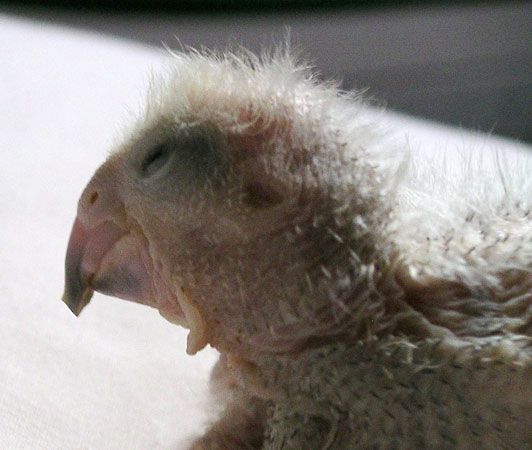
An egg tooth is a specialized, sharp structure used by the young of many egg-laying species to break through the eggshell and escape at hatching.
What is Egg tooth?
An egg tooth is a specialized, sharp structure used by the young of many egg-laying species to break through the eggshell and escape at hatching.12
The nature of this structure varies by species:
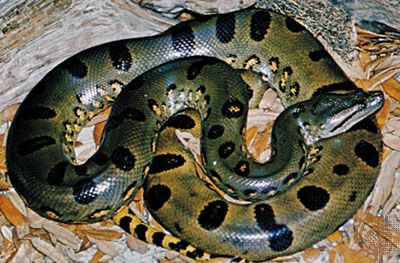
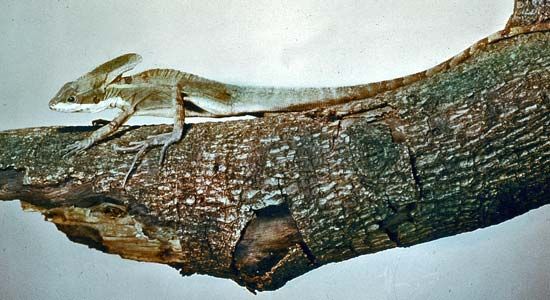
- True Teeth: Some lizards and snakes develop a genuine tooth that projects from the premaxilla bone. This is a true tooth that is shed shortly after the animal successfully hatches.13
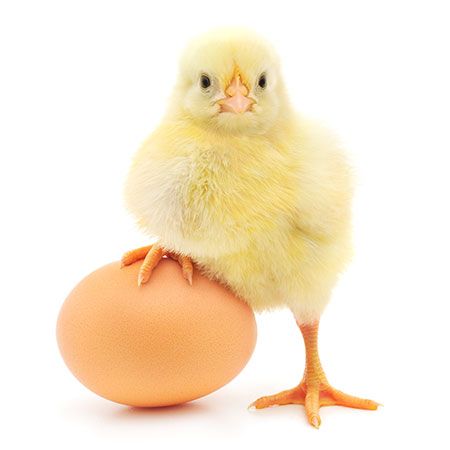
- Horny Structures: Birds, turtles, and crocodilians possess an analogous, horny tubercle on the tip of the beak or snout. This structure serves the same purpose but is not a true tooth.142
- Mammals: The only mammals that hatch from eggs—the duck-billed platypus and the echidna—also develop an egg tooth before birth to assist in their emergence.1
Once the hatchling has successfully broken the shell, the egg tooth is no longer needed and is typically lost or shed.13
What are monotremes and why are they unique mammals?
Monotremes (order Monotremata) are the most ancient living order of mammals, consisting of the platypus and echidnas. They are found primarily in Australia, Tasmania, and New Guinea.6
Monotremes are unique among mammals for several reasons:
- Egg-laying: Unlike placental or marsupial mammals, monotremes are oviparous, meaning they lay shelled eggs. These eggs are yolk-rich, similar to those of reptiles and birds.67
- Anatomy: The name “monotreme” means “one-holed,” referring to the fact that both sexes possess a single opening at the rear of the body used for both reproduction and excretion. They also retain primitive skeletal features, such as specific shoulder girdle and skull characteristics, that have been lost in other living mammals.68
- Evolutionary History: Their biology is a puzzle of primitive retentions and specialized modifications, a phenomenon known as mosaic evolution. While they share some primitive traits with extinct early mammals, genetic data suggests they are closely related to marsupials.6
How do precocial and altricial birds differ at hatching?
The terms precocial and altricial describe the developmental state of birds at the time of hatching. These categories reflect significant differences in maturity, physical capability, and the level of parental care required for survival.93
Precocial Birds
Precocial chicks are relatively mature and independent upon hatching. Their primary characteristics include:
- Physical Development: They hatch covered in fine down and possess functional vision.93
- Mobility: They are typically capable of moving about, such as running or swimming, shortly after emerging from the egg.93
- Examples: This group includes species such as ducks, geese, ostriches, pheasants, and quail.9
Altricial Birds
In contrast, altricial chicks are born in a highly immature state. Their primary characteristics include:
- Physical Development: They hatch naked, often with only the rudiments of feathers, and are generally helpless.93
- Dependency: Because they are unable to move around or care for themselves, they require significant parental nourishment and protection for days or weeks before they can become independent.910
Do all egg-laying animals require an egg tooth to hatch?
Not all egg-laying animals require an egg tooth to hatch, though many species do utilize a specialized structure to break through their shells.
The term “egg tooth” refers to a temporary tooth or toothlike structure used by the young of many egg-laying species to escape the eggshell at hatching. While some lizards and snakes develop a true, temporary tooth that is shed after use, other groups—including birds, turtles, crocodilians, and the only egg-laying mammals (the platypus and echidna)—develop an analogous horny structure, often called a caruncle, to perform the same function.1125
Because these structures are specific adaptations for breaking through shells, they are not universal across all oviparous animals. Many invertebrates and certain other egg-laying species rely on different biological mechanisms or simply the physical pressure of their own movements to emerge from their eggs.
Sources
- Egg tooth — Encyclopædia Britannica
- egg tooth — Merriam-Webster
- Animal development - Postembryonic development — Encyclopædia Britannica
- lizard - Dentition — Encyclopædia Britannica
- Why Don’t Birds Have Teeth? — Encyclopædia Britannica
- monotreme — Encyclopædia Britannica
- mammal - Estrus and other cycles — Encyclopædia Britannica
- monotreme — Merriam-Webster
- Did you know? — Merriam-Webster
- nidifugous, For The Birds — Merriam-Webster
- altricial — Merriam-Webster
- reptile - Embryonic development and parental care — Encyclopædia Britannica
Published on · 3 min read