Wilderness Act
The Wilderness Act of 1964 defines wilderness as areas of undeveloped federal land that retain their primeval character and influence, without permanent…
How does the Wilderness Act define ‘wilderness’ and what areas does it protect?
The Wilderness Act of 1964 defines wilderness as areas of undeveloped federal land that retain their primeval character and influence, without permanent improvements or human habitation. These areas are protected as part of the National Wilderness Preservation System, which safeguards them from development to preserve their natural, untrammeled state.1
The act provides a mechanism to include land from various federally protected areas, such as:
- National parks
- National monuments
- Other federally protected lands
- Indian reservations
Originally, the legislation aimed to protect “wildlands and primitive areas”—historical designations for unspoiled land lacking roads or public accommodations. While the act was a landmark victory for the environmental movement, its passage required significant compromises, including exceptions for certain uses and a requirement that any future additions to the system be approved by an act of CongressCongress](https://www.britannica.com/topic/Congress-of-the-United-States).1
Who were the key figures involved in drafting and passing the Wilderness Act?
The drafting and passage of the Wilderness Act involved several key figures and organizations who championed the protection of undeveloped federal lands.
- Howard Zahniser: An officer of the Wilderness Society, Zahniser was the primary architect of the legislation. Following the successful campaign to stop the Echo Park Dam, he drafted the initial bill and worked tirelessly to convince Congress to adopt a permanent system for wilderness protection.1
- Sen. Hubert H. Humphrey: A Democrat from Minnesota, Humphrey introduced the Wilderness Bill in 1956.1
- Rep. John Saylor: A Republican from Pennsylvania, Saylor co-introduced the bill in 1956, serving as a vital legislative partner.1
- Pres. Lyndon B. Johnson: His open support was instrumental in overcoming intense opposition from mining, grazing, and timber interests, ultimately helping to secure the bill’s enactment.1
While Aldo Leopold passed away before the act was signed, his foundational work as a founder of the Wilderness Society and his advocacy for the Gila Wilderness Area provided the intellectual and organizational groundwork for the movement that eventually led to the 1964 law.2
What federal agencies are responsible for managing wilderness areas under this act?
Under the Wilderness Act, designated wilderness areas are managed by federal agencies responsible for the oversight of public lands. These agencies include:
- Bureau of Land Management (BLM): An agency within the U.S. Department of the Interior, the BLM manages vast tracts of public land, including designated wilderness and conservation areas, alongside resources like timber, minerals, and wildlife habitats.3
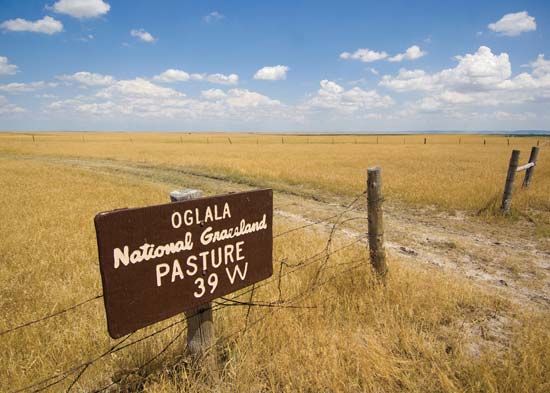
- U.S. Forest Service (USFS): Part of the U.S. Department of Agriculture, the USFS is responsible for the stewardship of national forests and grasslands, many of which contain federally designated wilderness areas.4
- National Park Service (NPS): The NPS administers national parks and other protected units, which often encompass significant wilderness acreage managed to preserve their natural, untrammeled state.5
These agencies work to ensure that the lands within the National Wilderness Preservation System remain protected from development and human habitation in accordance with the 1964 legislation.31
What was the main purpose of the Wilderness Act of 1964?
The main purpose of the Wilderness Act of 1964 was to establish a permanent, legal framework for the protection of undeveloped federal lands in the United States. By creating the National Wilderness Preservation System, the act aimed to set aside millions of acres of wildlands and primitive areas, shielding them from industrial development, road construction, and permanent human habitation.1
The legislation sought to preserve these areas for their unique natural qualities, serving as a psychological and ecological counterbalance to industrial civilization. It provided a formal mechanism to designate existing federal lands—including those within national parks, monuments, and other protected areas—as wilderness, ensuring their status as “untrammeled” landscapes for future generations.1
Sources
- Wilderness Act — Encyclopædia Britannica
- Aldo Leopold — Encyclopædia Britannica
- Bureau of Land Management — Encyclopædia Britannica
- North Cascades National Park — Encyclopædia Britannica
- U.S. Forest Service — Encyclopædia Britannica
Published on · 3 min read