Woad
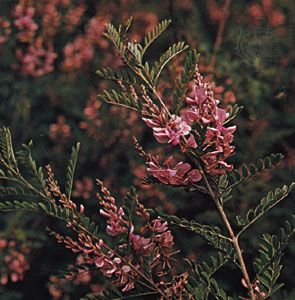
Both woad (Isatis tinctoria) and plants of the genus Indigofera serve as historical sources of the blue dye known as indigo.
How does woad compare to indigo in terms of color production and historical significance?
Both woad (Isatis tinctoria) and plants of the genus Indigofera serve as historical sources of the blue dye known as indigo.123
Color Production
While both plants yield the same blue crystalline compound, indigotin, their extraction processes differ based on their chemical precursors. Woad leaves must be wetted and fermented to produce the dye. In contrast, Indigofera species contain indican, a colorless, water-soluble substance that is hydrolyzed and then oxidized upon exposure to air to form the pigment. Today, both natural sources have been largely replaced by synthetic indigo, which is produced through a chemical synthesis involving sodium phenylglycinate.123
Historical Significance
Indigo has been a globally valued dyestuff since antiquity, utilized by civilizations in Asia, Egypt, Greece, Rome, Britain, and Peru. While woad is a European herb historically cultivated for its dye, Indigofera species—native to tropical and subtropical regions—became the foundation of a massive industry in India that lasted until the early 20th century.213
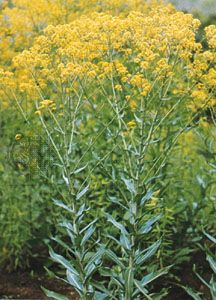
What is the scientific name of the woad plant and which plant family does it belong to?
The scientific name of the woad plant is Isatis tinctoria. It belongs to the mustard family, known as Brassicaceae.1
How does the cultivation and processing of woad differ from other natural dyes?
The cultivation and processing of woad (Isatis tinctoria) are distinct from many other natural dyes due to the specific requirements for extracting its pigment. While many plant-based dyes are obtained through simple boiling or extraction of roots, bark, or flowers, woad requires a more complex, multi-step preparation.1
To produce the blue crystalline compound known as indigotin, the leaves of the woad plant must first be harvested and dried. Unlike dyes that can be used immediately, these dried leaves must then be wetted and subjected to a fermentation process. This fermentation typically occurs in a woad vat, where the chemical reduction of the plant material takes place to make the dye soluble and ready for use on textiles.13
This labor-intensive method of fermentation is a hallmark of woad processing, setting it apart from simpler dye extraction techniques. Because of these complexities and the availability of more efficient alternatives, woad has been largely superseded by synthetic dyes in modern industrial applications.1
What is woad and where does it originate from?
Woad (Isatis tinctoria) is a biennial or perennial herb belonging to the mustard family (Brassicaceae). Historically, it was widely cultivated as a primary source of the blue dye indigo, which is extracted from its leaves through a process of drying, wetting, and fermentation.13
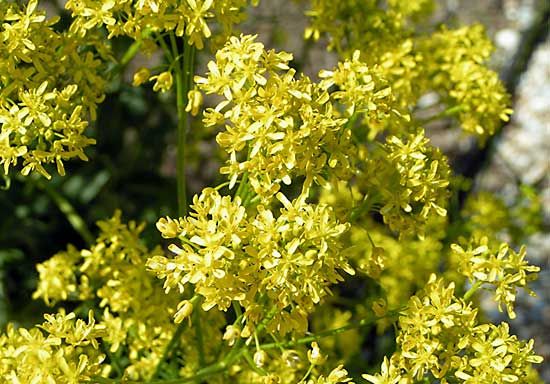
The plant is native to Eurasia. While it was once a staple for textile coloring, it has been largely superseded by synthetic dyes in modern times. Today, woad has naturalized in regions such as North America, where it is frequently classified as a noxious weed due to its invasive nature. Physically, the plant is characterized by a long taproot, yellow four-petaled flowers, and clusters of winged fruits.1
Sources
Published on · 2 min read